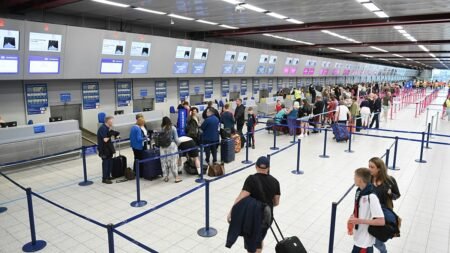





While the rest of the world saw an average 4% rise in international tourism in 2025, the US experienced a dismal 5.4% decline during the year.
Dubbed the ‘Trump slump’, foreign visitors have been deterred by hardened policy on immigration, LGBTQ+ hostile passport changes, tightened border security and currency fluctuations.
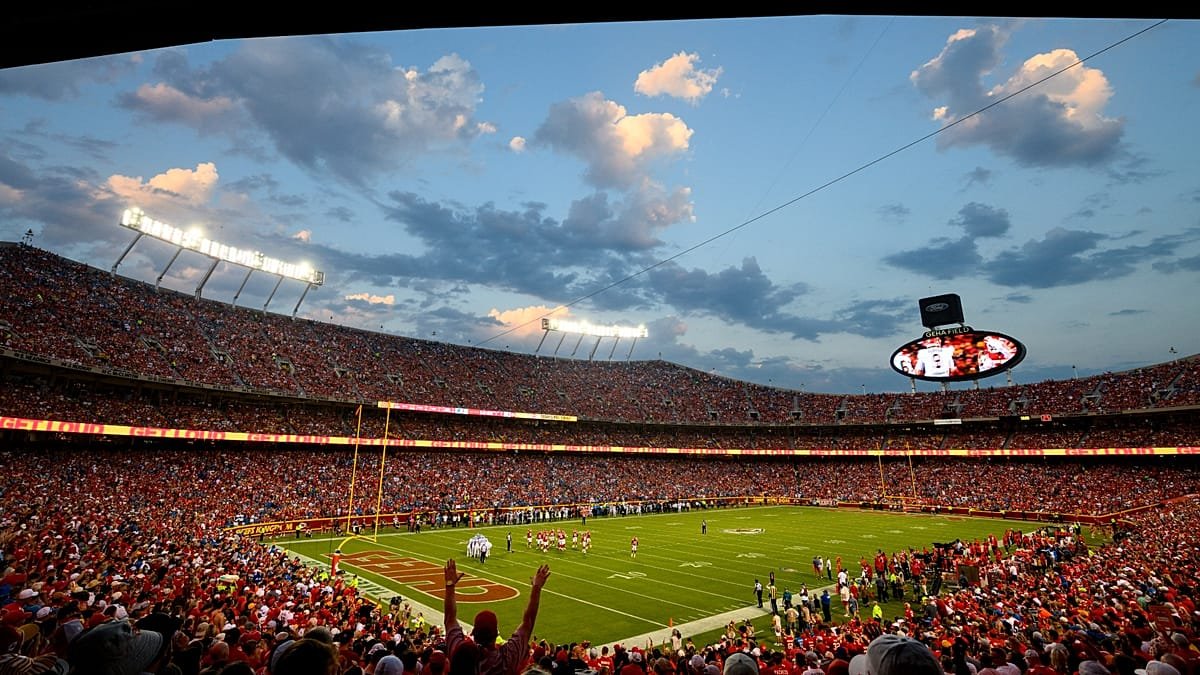
All eyes are now on the FIFA World Cup, with matches taking place in June and July across the US, as well as in Mexico and Canada.
The event was expected to see football fans streaming to the US, but proposed ESTA changes and social media scrutiny may see visitor figures much lower than hoped for.
What is driving the US travel ‘Trump slump’?
The US has seen a fall in foreign visitors across the board. The most dramatic decline has been in Canadian tourism, which dropped by 28% in January 2025 compared to the year before.
Visitors from Britain increased slightly by 0.5%, but arrivals from France and Germany saw a downturn.
The trend appears to be rolling over into 2026. In January, travellers from Europe were 5.2% lower year on year.
Unpredictable foreign policy proposals and unrest on the ground – from threats to annex Greenland to killings involving US Immigration and Customs Enforcement (ICE) agents – have left foreign visitors hesitant.
Tougher vetting at borders is also a deterrent, particularly following incidents of Europeans and Canadians detained for questioning by officials last year, as well as reports of electronic device searches.
The US has also enacted a travel ban on dozens of countries, including four nations that have qualified for the World Cup – Iran, Senegal, Ivory Coast and Haiti. It has also introduced a $250 ‘visa integrity fee’ for non-immigrant tourist and business visas.
LGBTQ+ travellers have been foregoing trips to the US after President Trump initiated policies last January establishing federal recognition of only two biological sexes – male and female.
The measure has compounded concerns about visiting the country, where local state laws and social climates can already create distressing situations.
A glimmer of hope from the World Cup?
The upcoming FIFA World Cup was pegged to bring a significant tourism boost to the US.
In November, Tourism Economics published a report saying it expected the event to “spark a powerful rebound in international travel – revitalising demand, filling hotels, and showcasing the broad economic reach of mega-events”.
The data intelligence group projected the US would welcome 1.24 million international visitors for the World Cup. Of these, 742,000 (60%) are incremental – trips that would not have taken place otherwise.
“After a challenging 2025 for international overnight trips to the US (down 6.3%), we project inbound to rebound 3.7% in 2026, with nearly one-third of the growth tied to the tournament,” the report added.
Flight booking to US down for the summer
However, more recent data suggests hopes may have been overly optimistic.
In February, the US broke its nine-month tourism slide, but only by 0.8%, according to the National Travel and Tourism Office. It also came after a 4.2% drop in January.
More worryingly, flight bookings from Europe to the US for this summer are down more than 14% year-over-year, Forbes reported, citing figures from aviation analytics company Cirium.
Yet another ‘barrier to travel’ may soon come into force. A proposal from US Customs and Border Protection (CBP) could make it mandatory for would-be travellers to make their social-media history from the past five years public when applying for the Electronic System for Travel Authorization (ESTA).
ECTAA, the European Travel Agents’ and Tour Operators’ Associations, says from a European traveller perspective the “cumulative effect” of the proposals risks making travel to the US “more complex, intrusive, and less accessible”, potentially “discouraging travel altogether”.
As Aran Ryan, Director of Industry Studies at Tourism Economics, puts it, while the World Cup is expected to help drive incremental inbound visits this summer, “there are stiff headwinds”.
These, including negative US sentiment and concerns around border and immigration policies, will not be “reversed by the World Cup alone”.
Hotels in host cities are already having to come to terms with a more disappointing outcome than expected, according to a report from analytics firm CoStar.
A major concern is lukewarm interest in FIFA room blocks.
The governing body of football reserved rooms at hotels for ticket-purchasing fans two years ago. But hospitality groups report lacklustre demand and even receiving room block holds back.
While the World Cup will certainly bring an uptick in tourism, it’s the knowledge of how much more of a boon it could have been that will be the bitter pill to swallow.
“The overall numbers are likely going to be a little bit disappointing if the trends hold that we’re talking about today,” said Jan Freitag, national director of hospitality market analytics at CoStar.
Read the full article here