








California’s war on carbon could blow back at the pump — and wipe out the state’s oil business entirely, a top Chevron executive is warning.
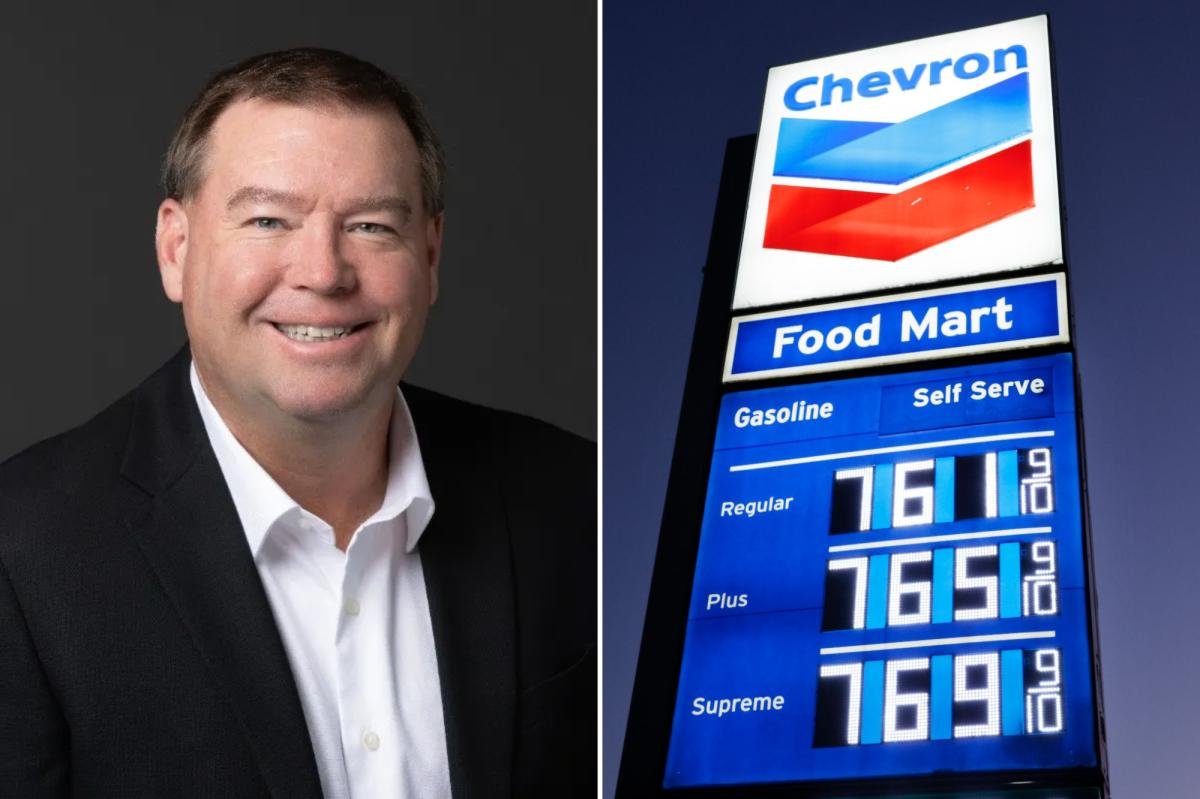
Andy Walz, who heads the company’s downstream, midstream and chemicals division, says a looming vote by the California Air Resources Board could pile billions in new costs onto in-state fuel producers — potentially driving refineries out of California for good.
“If they add this burden … it’s not whether refineries will close, it’s when,” Walz told KCRA in a blunt interview Thursday.
At the center of the fight is California’s controversial “cap-and-invest” program, which forces companies labeled as major polluters to curb carbon emissions or buy credits from the state to keep operating. The money helps bankroll state initiatives, including the massive — and long-delayed — high-speed rail project.
Last summer, lawmakers and Gov. Gavin Newsom extended the program another 20 years, and regulators are now pushing to tighten the screws even further.
The proposed update would:
- Slash the number of carbon credits companies can buy
- Impose tougher emissions caps through 2030
Walz says that could saddle California refiners with billions in new expenses — while foreign fuel imports dodge the hit.
“That makes no sense when you look at global tensions right now,” he warned, pointing to instability in the Middle East and the threat of wider conflict involving Iran.
Download The California Post App, follow us on social, and subscribe to our newsletters
California Post News: Facebook, Instagram, TikTok, X, YouTube, WhatsApp, LinkedIn
California Post Sports Facebook, Instagram, TikTok, YouTube, X
California Post Opinion
California Post Newsletters: Sign up here!
California Post App: Download here!
Home delivery: Sign up here!
Page Six Hollywood: Sign up here!
Two California refineries have already shut down recently, and about 70% of the state’s oil supply is now imported from overseas. Meanwhile, roughly 90% of cars in the state still run on gasoline, according to state data.
Walz says the policy could send gas prices soaring more than $1 per gallon by 2030 and trigger major job losses.
“I am extremely worried,” he said. “I think we have an emergency in the state of California.”
He even floated the possibility of federal involvement, noting California hosts 32 U.S. military bases that rely heavily on fuel supplies.
“It’s important to national security to have the fuel those facilities need,” Walz said. “This isn’t just a California issue.”
State regulators aren’t backing down.
In a statement, the Air Resources Board said the program remains “the most cost-effective way” to hit California’s climate targets.
Spokeswoman Lindsay Buckley said the proposed changes could deliver $180.7 billion in statewide benefits over 20 years.
Public comments on the plan are open through March 9, with regulators expected to formally unveil the proposal in late May — setting up what could become one of the biggest energy showdowns in California in years.
Read the full article here