





Published on
The European Commission on Monday took final steps to provisionally apply the Mercosur trade deal from 1 May, covering Argentina, Brazil, Paraguay and Uruguay.
The move uses a special procedure to ensure the deal takes effect despite a judicial review launched by the European Parliament after a pivotal 21 January vote suspended ratification.
“The priority now is turning this EU-Mercosur agreement into concrete outcomes, giving EU exporters the platform they need to seize new opportunities for trade, growth and jobs,” EU Trade Commissioner Maroš Šefčovič said, adding: “Provisional application will allow us to begin delivering on that promise.”
The agreement liberalises trade flows between the EU and Mercosur countries, creating a free-trade area of more than 700 million people.
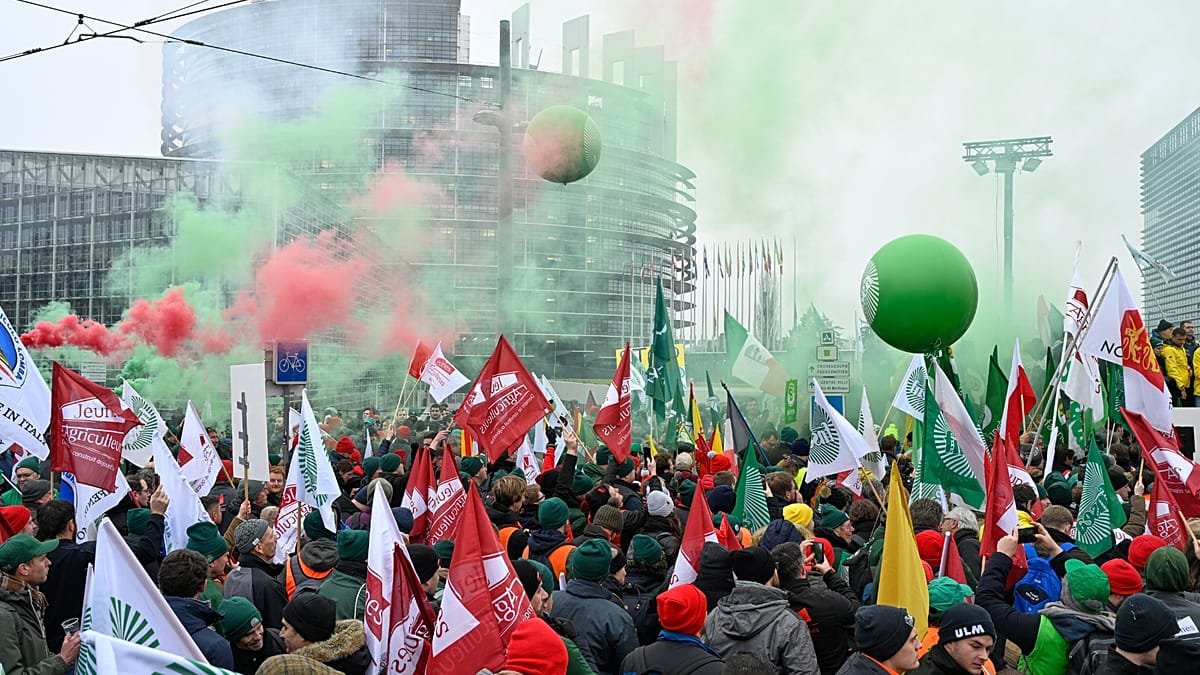
The Commission signed off on the deal and secured backing from EU member states despite strong opposition from EU farmers, who fear unfair competition from Mercosur imports.
But at the European Parliament, opponents secured a majority to refer the agreement to the Court of Justice of the European Union to assess its legality.
Pressed by supporters including Germany and Spain, which are seeking faster access to new markets amid rising geoeconomic tensions, the Commission opted for provisional application.
To proceed, it had to wait for at least one Mercosur country to ratify and notify the agreement before launching provisional implementation with that country. Argentina, Brazil and Uruguay have done so, while Paraguay ratified the deal last Tuesday and “is expected to send its notification soon,” the Commission said.
On Monday, the Commission sent a “verbal note” to Paraguay, the legal guardian of Mercosur treaties, completing the final procedural step.
“Provisional application ensures the removal of tariffs on certain products as of day one, creating predictable rules for trade and investment,” the Commission said.
“It will create more resilient and reliable supply chains, crucial in particular for the predictable flow of Critical Raw Materials.”
Read the full article here