








For generations, Métis stories have been passed down orally from elder to youth. But a new book seeks to change this, making sure the stories are not just heard but also remembered.
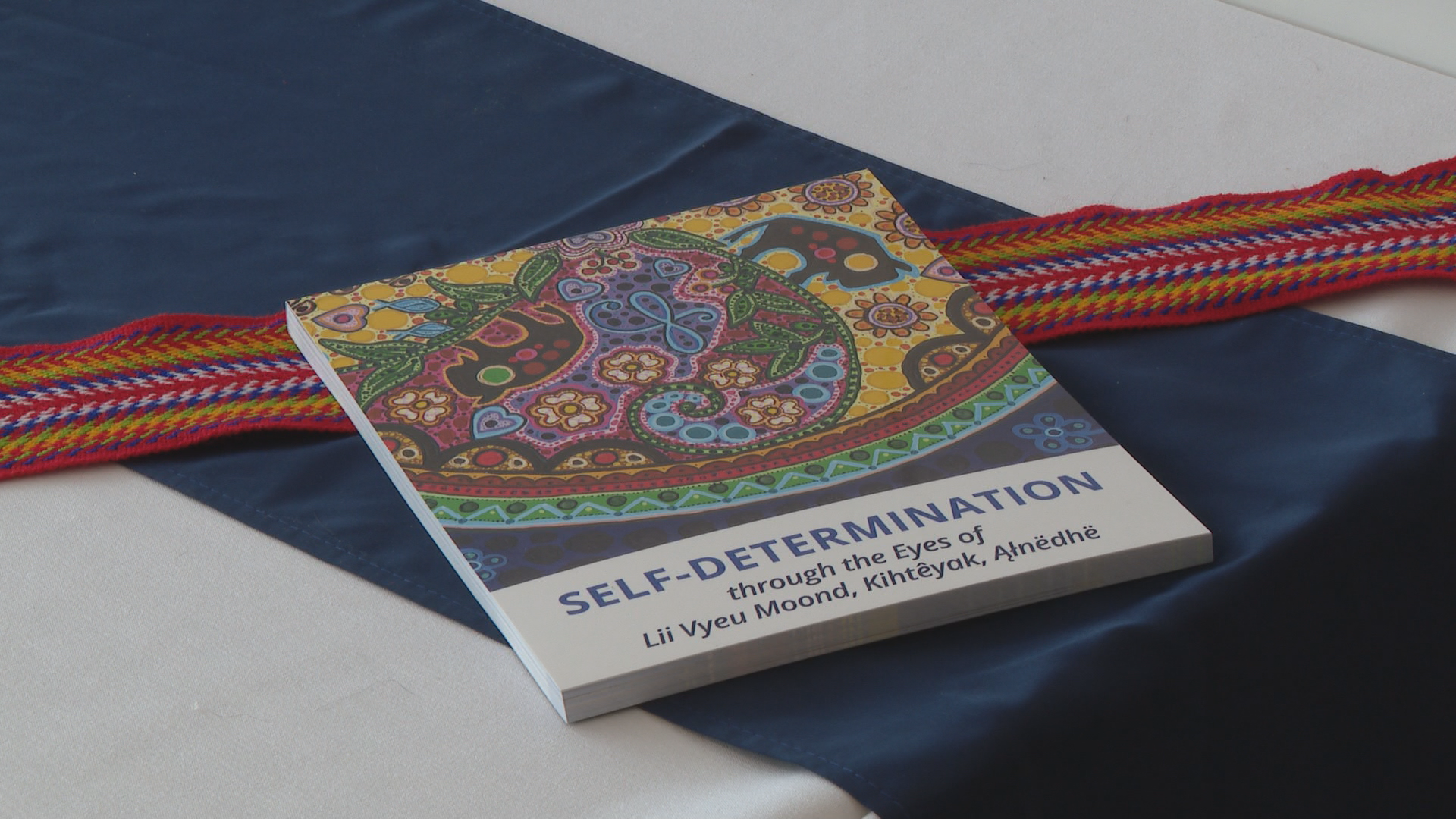
The book published by Métis Nation—Saskatchewan is titled Self-Determination through the Eyes of Lii Vyeu Moond, Kihtêyak, Ąłnëdhë, and features the stories of 12 Métis elders from across Saskatchewan.
“We’ve been blessed by our ancestors, and we carry that strength through our languages that we speak, through our stories, our history, how we can be so resilient,” said Norman Fleury, an elder featured in the book.
The stories feature the elders’ upbringings, experiences, and life lessons and explore a range of themes, from resilience to recognition.
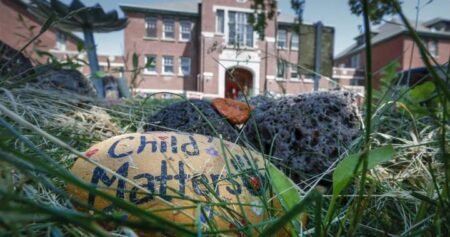
The book also contains elders’ experiences at residential schools and the challenges they faced in grappling with their identity.
“It really focuses on how the Métis people have been struggling for hundreds of years to really be acknowledged and recognized,” said Dorothy Myo, Métis-Nations Saskatchewan Self-government deputy chief.


Get breaking National news
For news impacting Canada and around the world, sign up for breaking news alerts delivered directly to you when they happen.
Myo worked extensively on the project, from idea generation to artwork commissioning and publishing.
Each of the 12 elders represents a different Métis Nation—Saskatchewan region, said Myo, adding that the independent government first started collecting stories two years ago as part of a separate project on self-governance.
“We’re so excited about the book because really this is the first Native elders book that has ever been published and hopefully not the last,” said Myo.
For Emile Janvier, an elder whose story is featured in the book, sharing his story is integral for educating children on what happened to his generation.
“I went to boarding school, and we went to hell just to get an education, and a lot of kids don’t realize that,” said Janvier.
“They have to know what we went through.”
The book features a mix of traditional language and translations, something Myo said is a natural way to present the elders’ lessons while also preserving meaning.
“The elders share words, but there is so much behind those words that really will take a lifetime of learning for us to be able to understand,” said Myo.
As the stories are now becoming public, many of the elders celebrating the book’s launch Wednesday in Saskatoon say it also helps them connect with their grandchildren.
“They, in turn, can be telling those stories through the voices of their ancestors,” said Fleury, adding that the stories are a nod to the “whole heart” of the Métis nation.
Elders say they also recognize that while the book may be the first of its kind, it will not be the last.
“There are so many stories that have not been told. You have very few elders here. We have so many other elders that want to tell their stories,” said Fleury.
Métis Nation—Saskatchewan says the book will be made available for purchase in stores in the near future.
Read the full article here