






The best view of my town isn’t from the land. It’s 253 metres out to sea, where you have swum out happily and can hang onto a big navigation pole. On your left, you can see a row of beach boxes lining Mills Beach. Then a big gorgeous red bluff covered in scrub and jutting out with lookouts. Then more beaches, and finally the yacht club, with sail boats magically all facing the same direction.
I am happiest out here in the bay. If I have braved the cold water, chances are the sun is sparkling on the rippling water. The water is clean, fresh, devoid of scary creatures, and the only things that float in it are you, and bits of seaweed. (Which can scare the bejesus out of you.)
My home town is Mornington, and yes, us locals insist it is an actual town. It is not the entire 723 square kilometres of the Mornington Peninsula, though when you Google Mornington, you will get a picture of Cape Schanck (more than 40 kilometres away) or a nice winery. Mornington the town has 26,000 people and is loved by the many older people who settle down here.
Whenever I visit, I must fight the urge to lie down on the ground and give it a big hug. Growing up here, I took for granted. The sand was too sandy, the five-minute walk to the beach was too far and it was normal that most streets had a direct view of Port Phillip Bay. Now I live in the city, but come back every month to feel whole again, and for sheer love of the place.
In summer, you open your door to the smell of salt water and the drone of jet-skis makes it clear that the weather is excellent and that bogans have the most fun. In the park, large multicultural family reunions have set up camp early, reserving territory with blankets and homemade coal barbecues during a long happy morning of kebab preparation. On Main Street, lined with shops on both sides, the teens walk around in bathers and bare feet, and a towel over their shoulder. They’re heading straight to Tuttifrutti for an ice-cream, or a big serve of fish and chips served by some pimply and sweaty 15-year-olds suffering behind a deep fryer.
A simple pleasure is a walk along the beach, while kids play along the shore. Families have come all this way from the city, fighting unscrupulous toll collectors, traffic and nightmarish parking along the Esplanade all to introduce their kids to the joys of the beach. (The council in its early days decreed that parking would always be free, and other than a short-lived and contentious trial it still is.) At the end of the day, once everyone has packed up and the air gets a bit chilly, the waves gently roll back and forth, sucking in a missing sand bucket and a lone children’s shoe.
Winter is different. The wind blasts your face and whips the sand at your skin providing very low-cost exfoliation. The skies go grey for months at a time, and the sea breeze becomes unfriendly and unwelcome. There are few tourists, so everyone on the street greets each other. Familiar places and familiar faces. If you are brave, the beach is all yours. Winter by the water is intense.
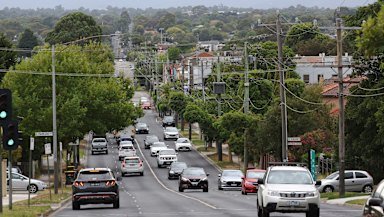
But I should take you inland as well. Mornington is split by Nepean Highway. The east has more families, footpaths and primary schools, the west is more expensive and leans older. Across Victoria, it is the suburb with the third-highest proportion of English expats, only after neighbouring Mount Eliza and Bangholme, a few suburbs further north. Growing up, I just thought the word “neighbour” literally meant an elderly British couple.
Our neighbour Ted was the perfect example of a Mornington resident. Born in 1927, he was a ten pound pom who came to Australia as a machinist. He and his wife retired in their 60s and moved down. He went to mass on Sundays, walked to the pier every day to fish, and shuffled to and from the shops at least three days a week to do his tasks, all with a suit and tie on and before 9.30am. Mornington had everything he needed. It feels like there are a thousand Teds in Mornington. He died just a few weeks ago and will be missed by the whole neighbourhood.
Mornington is constantly changing, and still adjusting to its popularity. About 10 years ago, there was strong debate in the community about Mornington losing its little-town charm. But that talk died down now because the concern pretty much eventuated. When people want a piece of Mornington to holiday in, it means that people who need to rent here all year round get shunted out. I know at least five people who in the past year lost their long-term rentals to a landlord making more money on Airbnb or by selling. It is not just causing house prices to go up, but commercial rents too. More chains are replacing local businesses that have been there for years, which is sad. Within six months, a Betty’s Burgers, Schnitz and Grill’d all opened within 10 metres of each other. As chains, those shops feel un-Mornington and made for tourists.
I do find it ironic that these days the young people and families are the ones moving into Mornington’s many “granny flats” and smaller units because grannies are now the only ones who can afford the houses. If I moved down to be closer to my family that’s all I could possibly wangle, unless I set up shop in my parent’s backyard. Somehow the economics aren’t lining up to the need. Someone does need to tell people above the age of 65 to please stop buying houses with two stories, though. Leave it for those with good knees.
Mornington exists in a sweet spot. It’s not the full holiday house part of the peninsula like Portsea, further down the coast, and it’s not quite the suburbs. Its neighbours Mount Martha and Mount Eliza are much the same, if not a bit posher. I was shocked when I went to Melbourne Uni and finally met all the people who had holiday houses down the coast. These kids lived in Hawthorn, Toorak and Camberwell, and couldn’t believe that I actually grew up here.
Even though the secret is out, and Mornington is popping off, it is never going to truly change. We serve fish and chips, people of all ages look out to the water, and the waves will keep crashing into shore. Old people will spend their most peaceful years strolling the streets, walking the dogs and commenting on the latest real estate monstrosity. If you get the chance, drive down and have a walk by the shore. You won’t regret it.
Lizzy Gordon is a finance manager and a Mornington local always.
The Opinion newsletter is a weekly wrap of views that will challenge, champion and inform your own. Sign up here.
From our partners
Read the full article here