






Private health insurance rebates for spinal cord stimulators are set to go under the knife after the federal Health Department found there was not enough evidence to support use of the expensive, controversial devices.
The proposed changes would cut the subsidy by up to $6182 for the devices, and by $6450 for the electrical leads that wire them into the spine. The changes affect how much device manufacturers receive per surgery; by law, the extra expense cannot be passed onto the consumer.
As of now, insurers are required to pay up to $23,465 for a device and up to $11,011 for a lead.
The expected cuts are the latest response to a wide-ranging review of the devices triggered by this masthead’s investigation in 2022, which revealed hundreds of people had been injured by them, with some left incontinent or unable to walk.
In 2024, several stimulators had their Australian registration cancelled, and earlier this month, the government proposed a further step: cutting the benefits private health insurers pay for devices by thousands of dollars.
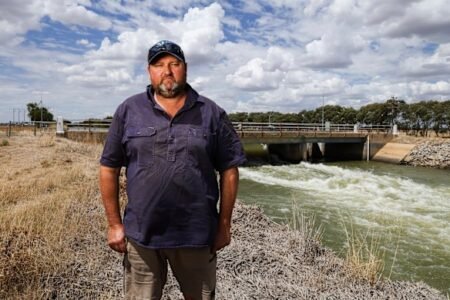
Marcus Barlow received a stimulator to treat chronic back pain in 2019. It did not help with the pain, and the bulky metal package wired into his spine digs into him whenever he tries to move or sleep. After years of discomfort, Barlow finally had the device removed earlier this year.
“I don’t think these devices should be allowed in anyone. I don’t think this should be a therapy. It’s not proven,” he said this week.
Spinal cord stimulators are sold to treat complex pain, typically from the back or pelvis. They link a small battery pack, implanted beneath the skin, via leads to nerves in the spine.
In theory, electrical pulses from the device interfere with pain signals coming from the nerves. On average, private insurers pay nearly $56,000 per device, including hospital and surgery costs – with some cases rising to half a million dollars.
However, recent studies have demonstrated almost a quarter of Australian patients will need a surgical revision within 18 months, and that the stimulators are likely not helpful for chronic or back pain.
But because the government would still require private health insurers to cover the devices, even though the coverage would be reduced, potential patients would still be encouraged to believe the government endorsed their effectiveness and safety, said Professor Chris Maher, director of the Institute for Musculoskeletal Health at the University of Sydney.
“I think it misses the point entirely. It’s like trying to solve the problem of pelvic mesh by reducing the price,” he said.
“I can’t see anything of value coming from this change.”
The University of Sydney’s Dr Caitlin Jones, who has published papers on the safety of spinal cord stimulators, called the proposed changes “confusing for patients”.
“They are still approved, they’ll still be reimbursed,” she said. “The real message I’d like patients to see is: we know they don’t work, they are incredibly expensive, and can be really dangerous too.
“I would like the department to cancel the listing,” Jones said.
That call was backed by Private Healthcare Australia, which welcomed the mooted changes but also said they did not go far enough.
“Continuing to fund devices that may cause harm, at enormous cost to patients, taxpayers and health fund members, undermines that confidence,” said CEO Dr Rachel David.
Nathan Taylor, president of the Neuromodulation Society of Australia and New Zealand – the peak professional body for stimulators, slammed the proposed changes.
“NSANZ has no interest in medical device company profits – our concern is patient safety and access to care. Any changes that compromise post-implant support for a proven, safe, and effective therapy risks directly harming people living with severe, disabling neuropathic pain,” Taylor said.
Painaustralia, a consumer group that has received funding in the past from NSANZ, also criticised the proposed changes.
“A stimulator, can in some cases and some patients, provide meaningful relief,” said CEO Monika Boogs. “This could restrict access to consumers who may need an SCS.”
The Department of Health, Disability and Ageing said it would make the final decision on rebates later this year.
Disclosure: Liam Mannix is named as a co-author on a published paper on spinal cord stimulators with Dr Caitlin Jones and Professor Chris Maher.


From our partners
Read the full article here