





Australia is doing policy all wrong. Measures designed to help young people are causing them harm.
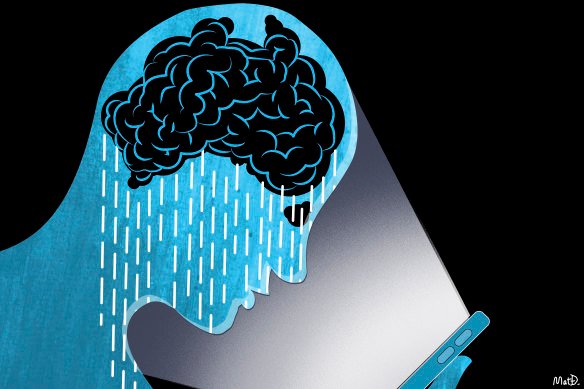
In 2020, economists Anne Case and Angus Deaton published their findings that non-college-educated, middle-aged, white Americans were dying “deaths of despair”. Just a few years later, young people are living lives of despair. Recent studies have found that young people in Australia and other developed countries are more miserable than any other age group. They’re starting their adult life with worse emotional and mental health than previous generations experienced at the peak of their unhappiness, in middle age.
Many young Australians have lost faith that they will be able to live the lives they hope for.
This week, the Centre for Independent Studies released my new research paper, Generation Trapped. I started the research with a question: What’s making 18- to 34-year-old Australians so unhappy? And what can we do about it? To find out, I asked them.
I conducted in-person interviews and, together with pollster Morgan James from Spectre Strategy, undertook extensive qualitative research into the aspirations, perceived barriers and values of Australians 18-34 years old. To dig deeper into young Australians from different backgrounds, we took a Pew Research-style approach of segmenting young Australians into six “tribes” according to their dominant characteristics and behaviours.
This approach revealed a core finding: young Australians who have a low sense of control over the barriers in the way of achieving their aspirations also have low life satisfaction. And those who feel a greater sense of personal agency have higher life satisfaction.
This held true regardless of the financial situation in which the tribes found themselves. Unsurprisingly, though, young people who have inherited or expect to inherit money from their family have the highest sense of personal agency. Money is a tool which creates agency, or in less jargony terms, choice. But choice is also valuable by itself. Young people who feel they have agency – the ability to shape their future according to their wishes – have higher life satisfaction, even when they don’t have money or expect to inherit any.
In an ideal world, in which politicians were primarily motivated to make the lives of citizens better, that insight by itself should trigger a radical rethink of the way we do policy.
Instead, as the plight of young Australians has become a bigger issue at the ballot box, successive governments have attempted to respond to its symptoms. Access to cheaper rental property has become a key focus, as most young people now consider buying a home an almost unattainable goal. Mental health services and psychiatric drug prescriptions have proliferated. To help with the cost of living, governments have offered young people free TAFE and one-time rebates on already-discounted higher education loans.
Rather than making the aspirations of young people more accessible, these policies offer a pacifier: a substitute vision for the future that governments believe is more within their power to deliver than the one young people imagine for themselves.
These short-term fixes and attempted redirections represent a failure to address underlying issues. More affordable rental housing is not as good as home ownership. Therapy and antidepressants are a poor substitute for a strong sense of purpose. Free or discounted education doesn’t remove the costs that credentialism transfers onto young people – in the form of student debt and delayed earnings – especially now that the wage premium post-school qualifications used to attract is declining.
Yet they’re often vote winners because anything seems better than nothing. Think of it this way: if the government passed a bill providing everyone with subsidised fast food, many people struggling with the cost of living would gratefully take it, even though it would make their health worse over time. Only people wealthy enough to make ends meet without the food subsidy would continue to eat healthy food and, consequently, live better, longer and more vigorous lives. Handouts and subsidies are too often junk policies that restrict which choices are affordable, and therefore available, to many people.
As well as yielding insights across the 18-34 age cohort, disaggregating the group into “tribes” creates a better understanding of different young people.
Very briefly (there is a long chapter in the paper describing each of these groupings in more detail) the tribes are as follows. “Progressive Identitarians”, who tend to be students, LGBTQIA+, and identify as on the far left of the political spectrum.
“Head-Starts” either have received, or expect to receive, an inheritance or significant financial assistance from their family, and often already own a house and have started a family.
“Dislocated Post-Traditionalists” tend to have done no post-school qualifications, have children and live in de facto arrangements.
“Natals”, who tend to be family-oriented men identifying as far right, are concerned about immigration and crime. “Detacheds”, a generally male group with few strong views, except that they really want a family, find that goal difficult to achieve. And finally “Strivers”, a tribe of young people who don’t come from advantaged backgrounds, but believe they will be able to achieve their goals with hard work. (The groups aren’t of equal size.)
Despite the huge spectrum of life experience within those different tribes, all identified common aspirations: financial security, home ownership, meaningful work, and family formation (although many of the Progressive Identitarians have already given up on them).
The fact that such different people want pretty much the same things that previous generations have aspired to shows that young people don’t have unrealistic expectations of life. But many are fighting an uphill battle to achieve them, as governments take away their earnings with one hand and return them with another in the form of a handout.
The first best type of reform would be the kind that offered these very different young people the ability to shape their own version of the “good life” on their own terms, according to their personal preferences.
All governments like to pretend they’re benevolent. But these “gifts”, which take choices and control away from recipients, can end up making individuals more miserable.
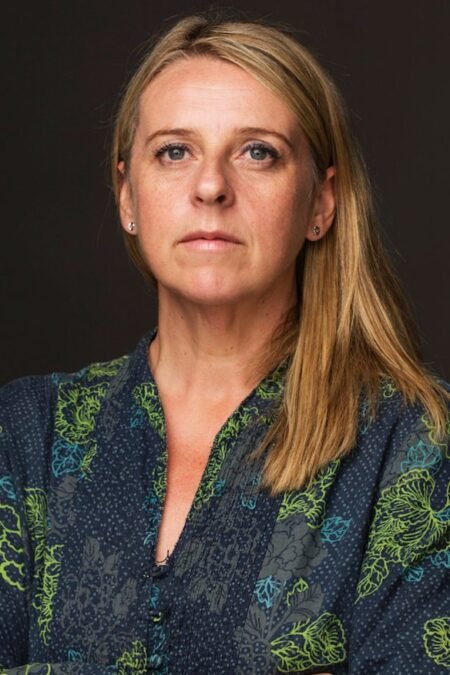
Parnell Palme McGuinness is an insights and advocacy strategist. She has done work for the Liberal Party and the German Greens and is a senior fellow at the Centre for Independent Studies.
Get a weekly wrap of views that will challenge, champion and inform your own. Sign up for our Opinion newsletter.


From our partners
Read the full article here