






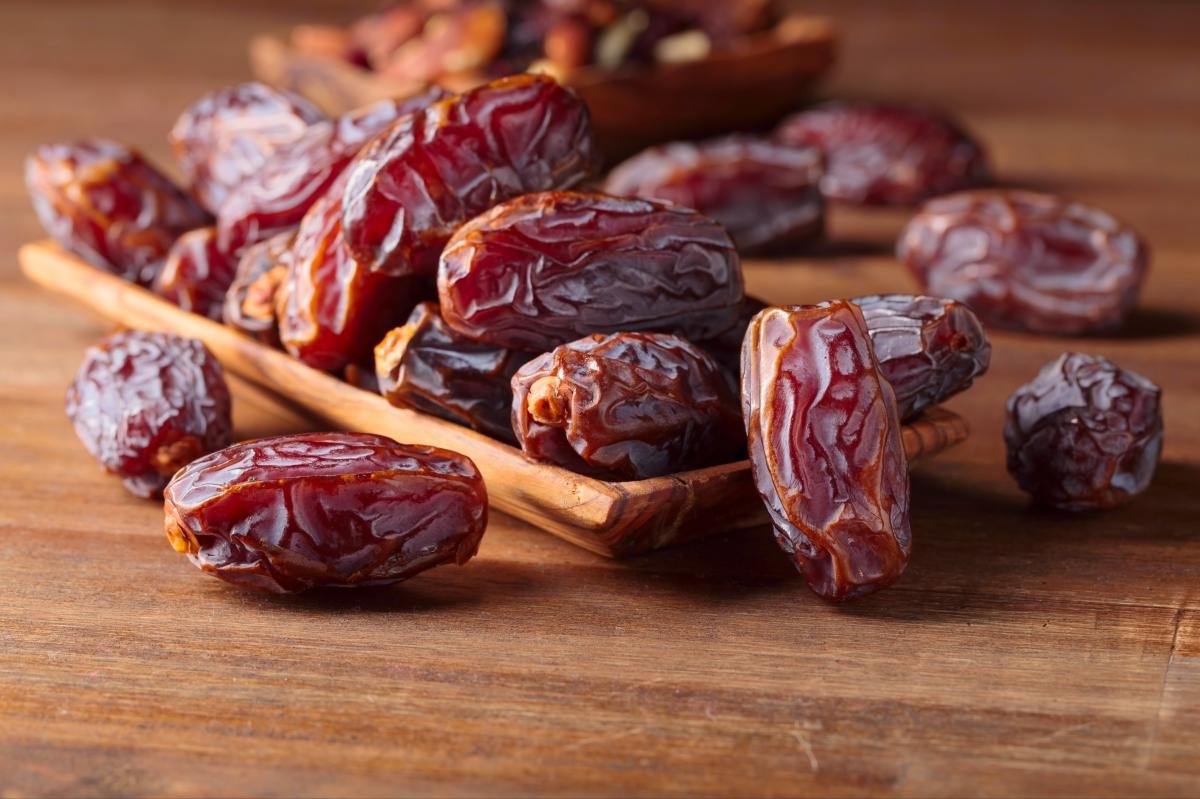
One of human history’s oldest-cultivated foods is having a moment as more people reach for healthier alternatives to ultra-processed foods.
Sales of dates in the U.S. were up 33% in 2025, a founding member of organic California-grown date company Joolies California Superfruit told Food52.com.
Those numbers are expected to grow significantly, Fortune Business Insights reported.
By 2034, the market size for dates in America is projected to reach $1.6 billion.
In the U.K., sales of medjool dates have increased 100% at U.K. grocery retailer Ocado compared to last year, the Guardian reported.
Globally, the market size for dates is projected to experience a compound annual growth rate of 6.1%, going from $34.5 billion in 2026 to $55.58 billion in 2034, according to Fortune Business Insights.
As consumers increasingly prioritize less-processed, whole foods, dates have surged in popularity on social media.
Videos of people trying dates for the first time and recipes for “healthy desserts” featuring dates as a sugar alternative have gone viral.
Health benefits of dates, according to the Cleveland Clinic, include improved gut health, better brain function, healthier skin, and a lowered risk of several diseases.
“While dates might be a newer trend for consumers, they’ve been the go-to ingredient among dietitians to sweeten smoothies and lower-sugar dessert foods for years,” Lisa Moskovitz, a registered dietitian, founder of the NY Nutrition Group, and author of “The Core 3 Healthy Eating Plan,” told Fox News Digital.
“While dates might be a newer trend for consumers, they’ve been the go-to ingredient among dietitians to sweeten smoothies and lower-sugar dessert foods for years,” Lisa Moskovitz, a registered dietitian, founder of the NY Nutrition Group and author of “The Core 3 Healthy Eating Plan,” told Fox News Digital.
“Not only are they super tasty and versatile, but they provide fiber, antioxidants, and other essential nutrients like magnesium and potassium.”
The Middle East and Africa still dominate the demand for dates and accounted for 85.28% of the market share in 2025.
Historians believe ancient civilizations in Mesopotamia were cultivating dates as early as 6,000 to 8,000 years ago. The stone fruit remains culturally significant to the region, as Muslims typically break their Ramadan fasts with dates, according to Brandeis University.
Date types are divided into three main categories: soft, semi-dry, and dry.
Less-moisture varieties are more commonly used for baking and cooking, while high-moisture dates, namely medjool, are popular for snacking.
Moskovitz cautioned that the sugar content in dates can add up quickly.
“The average date contains about 15 grams of natural sugar — so if you need to be careful of sugar intake, pair this delicious dried fruit with some nuts or seeds to balance blood glucose levels,” she said.
Read the full article here