





NEWYou can now listen to Fox News articles!
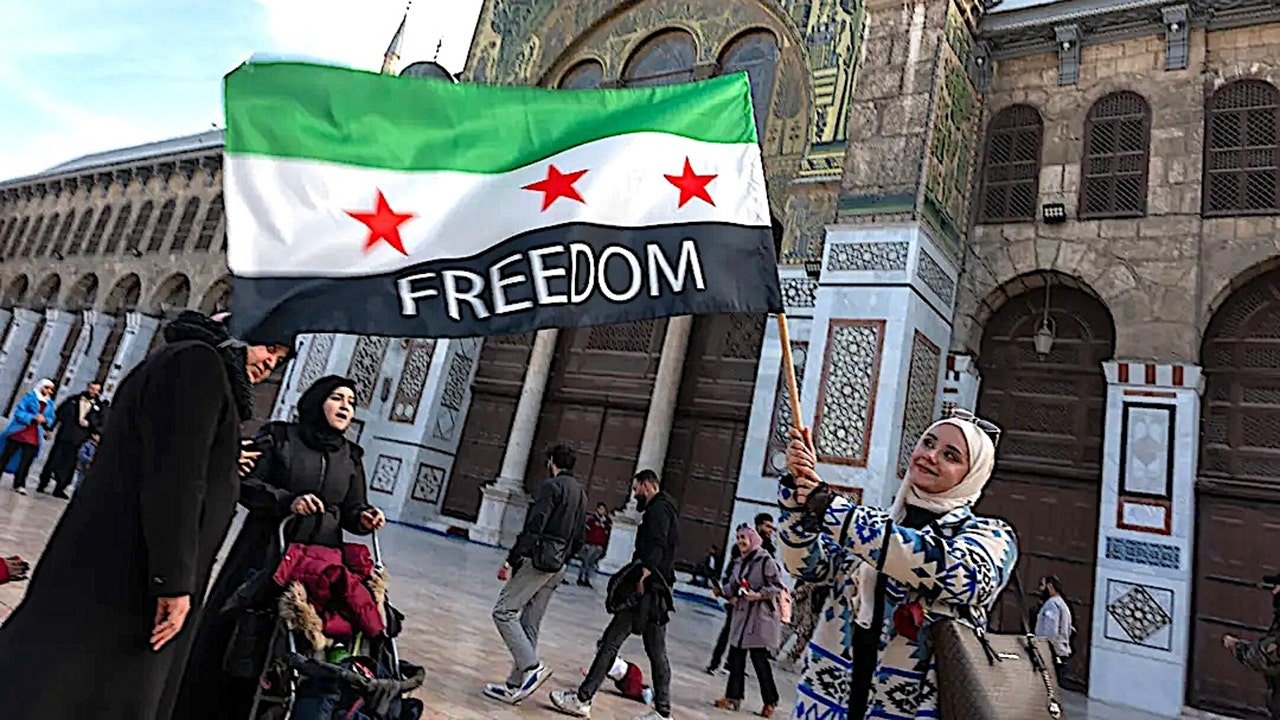
There are growing fears among some in Syria that the government of President Ahmed al-Sharaa has the aim of clamping down on the rights and freedoms of its civilians by promoting a more conservative interpretation of Islam.
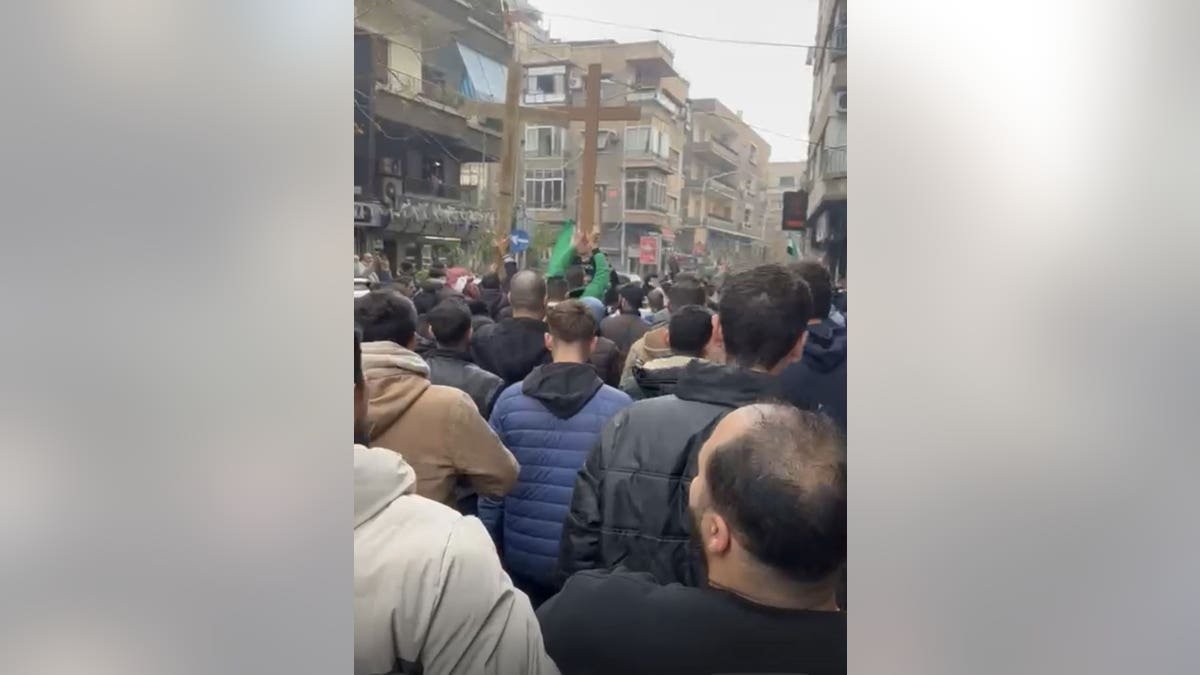
Local authorities in Syria’s capital, Damascus, recently banned restaurants and bars from selling alcohol in most parts of the city. Only venues in the majority-Christian neighborhoods of Damascus would be allowed to continue to sell alcohol, but only for takeaway. The move sparked minor protests throughout the capital, with security forces sent in to maintain order.
“What you’re seeing is pressure from one part of Syrian society, the clerics and sort of harder-line Islamists who have a vision, an Islamist vision of how Syrian society should be,” Robert Ford, former ambassador to Syria, told Fox News Digital. Syria’s temporary constitution is guided by Islamic law.
EVANGELICAL LEADER SAYS US MUST PROTECT SYRIAN CHRISTIANS FROM ATTACKS BY JIHADI TERRORISTS
Syria’s social affairs minister, Hind Kabawat, a Christian and the only woman in al-Sharaa’s cabinet, pushed back on the idea that alcohol can only be consumed in Christian neighborhoods.
“Our neighborhoods are not places for alcohol, but the heart of Damascus,” she said in a Facebook post.
“The strength of our nation is in its diversity, and any radical, extremist voice will cause our nation’s weakness,” she added.
In response to the outcry, Damascus authorities walked back the ban, saying that alcohol purchases could remain in places important for tourism, such as hotels and certain restaurants.
The move is a significant departure for everyday Syrians living in Damascus, where alcohol was readily available in bars and restaurants for decades, even under the authoritarian and oppressive rule of former dictator Bashar al-Assad.
SYRIA GRANTED SANCTIONS WAIVER BY TRUMP ADMINISTRATION TO ENCOURAGE REBUILDING
“Steps like these, which restrict freedoms in Syria, are worrying. When they have occurred far from Damascus, the central government can argue that it lacks sufficient control. But it is particularly meaningful to see such steps in Damascus since President al-Sharaa dominates there,” Mara Karlin, a former Department of Defense official and professor at Johns Hopkins School of Advanced International Studies (SAIS), told Fox News Digital.
“If he is pushing an Islamist Syria, then it calls into question how much he is moving beyond his history,” Karlin added.
Al-Sharaa, who led the Islamist rebel group Hay’at Tahrir al-Sham (HTS) to victory over Assad, has been on an international charm offensive since taking power, visiting foreign capitals and reintegrating Syria into the global community.

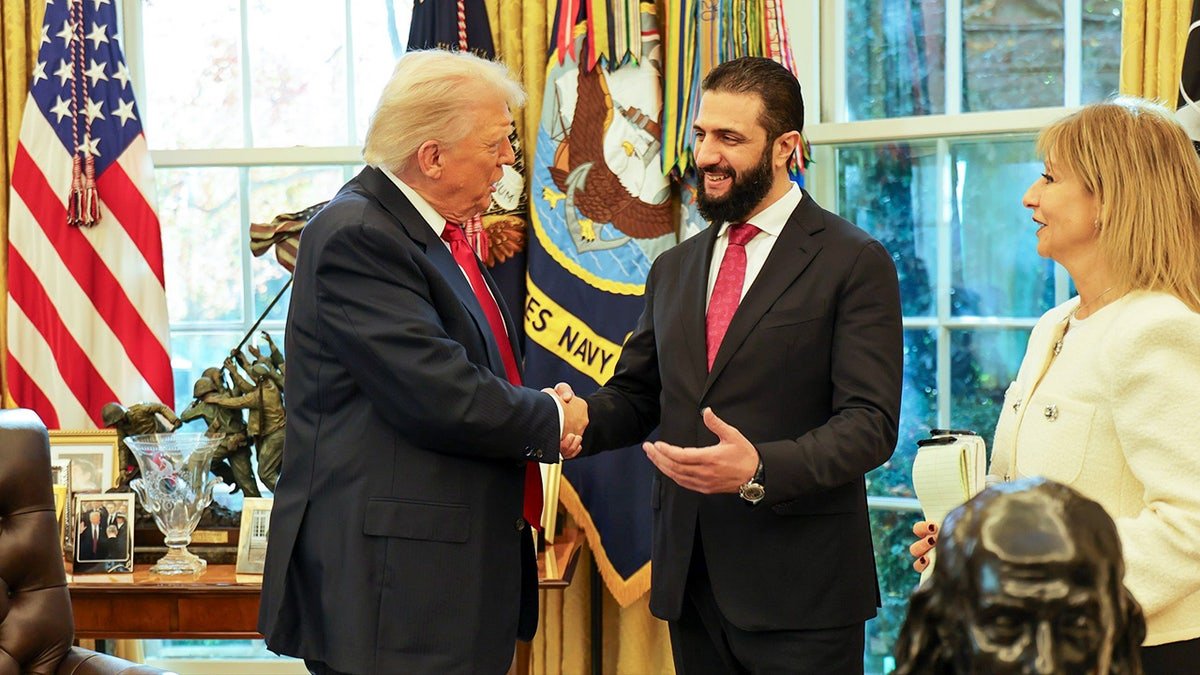
President Trump even endorsed al-Sharaa, who first met with him in Riyadh, Saudi Arabia, in May 2025 and again in November 2025 when Trump hosted him at the White House, the first time a Syrian leader had visited the White House since the country gained independence in 1946.
Karlin, who testified before the House Foreign Affairs Committee in February on the challenges facing Syria after the fall of Assad, said that, while the Syrian government does include former jihadists, they have been mostly pragmatic and non-ideological in their governance.
She noted, however, that their reach beyond Damascus is weak and limited.
“There have been some troubling instances of restrictions on women’s freedom, for example, and indicators such as these merit close scrutiny for evidence of the Syrian government’s influence and ideology.”
TRUMP ORDERS COMPLETE WITHDRAWAL OF ALL TROOPS FROM SYRIA WITHIN TWO MONTHS: REPORT
Ford, who was the last U.S. ambassador in Damascus in 2011, stressed that al-Sharaa is not a democrat and probably would like to impose parts of an Islamist vision on Syria, but has so far held back since overthrowing the Assad regime in 2024.
The ordinances in Damascus and elsewhere are imposed by local officials, but these officials are directly tied to the government and are loyal to al-Sharaa and likely support an Islamist vision for Syria.
Some worry the ban on alcohol could harm Syria’s fragile post-conflict reconstruction, particularly at a time when al-Sharaa is trying to reintegrate Syria into the world economy and rebuild the country’s tourism sector.
The World Bank estimated Syria’s reconstruction costs are about $216 billion after nearly 14 years of civil war. Syria’s minister of tourism previously said the country will need at least $100 million over the next seven years to rebuild the tourism industry.
CLICK HERE TO DOWNLOAD THE FOX NEWS APP
Alcohol isn’t the only target of some local authorities in Syria. Officials in the port city of Latakia in February banned women from wearing makeup at work. Another town outside Damascus prohibited men from working in female clothing stores to uphold public decency.
Ford said although some of the local ordinances are a cause for concern, it is a domestic issue, and Syrians will have to determine the role of religion in post-Assad Syria.
THE Associated Press contributed to this article.
Read the full article here