




Updated ,first published
NSW Police is a high-conflict workforce with “authoritarian” leadership styles where bullying and discrimination have run rampant, according to a long-awaited review into the force’s culture.
The review, launched in March last year after a series of reports outlined how a “boys’ club” protected abusers and silenced victims, found that while there had been significant cultural reform, toxic personalities and behaviours persisted.
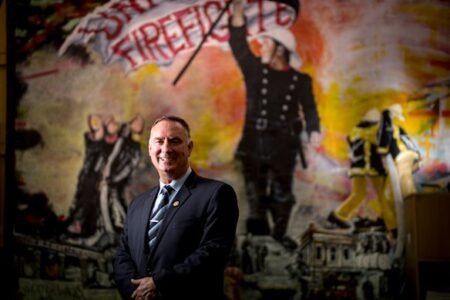
Commissioner Mal Lanyon told the Herald the experiences of harmful behaviour reported were “disappointing” and would not be tolerated.
“It was very hard to read some of the personal accounts… they are human, they are my officers. I expect them to have a safe and respectful workplace,” he said.
There are currently no women on the Commissioner’s Executive Team, which Lanyon said he was committed to addressing.
Led by former Victorian equal opportunity human rights commissioner Kristen Hilton and released on Thursday, the report made 29 recommendations, many aimed at addressing perceived favouritism, a lack of diversity, and accountability for poor behaviour. NSW Police accepted all recommendations.
Around a quarter of the 20,000-strong workforce responded to the survey, which Hilton said showed high trust in the confidentiality of the independent process.
One person detailed ongoing racial slurs; another said bullying caused them to sit in their car vomiting before work; others detailed sexual assault, and multiple staff said they were more traumatised by the internal bullying than the actual job.
“People join the organisation because they want to serve the community; there’s purpose and pride and collegiality, but they also spoke to us of feeling fatigued, stressed, and more stressed about their internal environment than their external environment, and a real desire for some things to change,” she said.
Hilton wrote in the report that “without exception, every woman that came forward to speak with us described experiences or observations of overt or covert harassment, undermining and belittlement”. Few had made formal reports.
Police staff told the review:
- “A lot of my psychological trauma was due to bullying. I didn’t leave the police force because of the job, I left because of the bullying.”
- “Bullying is as much a part of this organisation as wearing a uniform.”
- “I thought that the trauma of [the job] would push me out. But it wasn’t that. It was the people I worked with.”
- “If you put in a complaint, you may as well have set alight to your career.”
- “Policing is such a tough sport. When you’re dealing with drugs, alcohol, and out-of-control people, you end up being full on and aggressive and out-of-control yourself.
- “If I had a dollar for every time someone has called me a [racial slur], I could retire.”
- “I’m a resilient person. But I was sitting in my car vomiting before coming to work.”
The report details allegations of a sergeant placing his hands on a woman and whispering, “You’re not leaving until I have sex with you”. Another woman said there were daily comments around “body-shaming, harassment, comments on weight, sexiness, breasts”.
One person said trainees were placed into “choke holds” as punishment at the academy. “I witnessed many assaults in the name of teaching us the ropes,” the person said.
Nine per cent of participants reported being sexually harassed in the past five years, and one per cent reported sexual assault. While these rates are consistent with the rest of the public sector, and the report noted improvements in investigations, former employees spoke of ongoing trauma from historic cases involving “egregious abuses of power”, with victim statements circulated and mocked.
Bullying was a major focus of the review, with one in three survey respondents reporting being bullied over the past five years, and one quarter experiencing discrimination, disproportionately affecting women and diverse groups. One respondent told interviewers that bullying was as much a part of the force “as wearing a uniform”.
‘It is clear that bullying, incivility, discrimination and victimisation are occurring at unacceptable levels in the police force.’
Police culture review
The report noted that bullying made staff feel belittled or humiliated, and some had critical information deliberately withheld. Speaking up was actively discouraged due to a pervasive fear of retaliation, isolation, or denied promotions.
“It is clear that bullying, incivility, discrimination and victimisation are occurring at unacceptable levels within NSWPF and present a systemic risk,” the report noted.
“We remain concerned about the high levels of workplace incivility and conflict described to us, and the inconsistent capability of middle managers to address these behaviours early and effectively.”
Meanwhile, just 13 per cent of staff made a formal report about unsafe behaviours. Most chose to avoid the perpetrator – who was frequently their direct supervisor – or considered leaving, with one respondent describing speaking up as “career suicide.”
After the force introduced mandatory reporting obligations for misconduct and enhanced complainant protections, the number of people comfortable raising a grievance increased from 30 to 56 per cent, though this remains significantly lower than the rest of the public sector.
The report recommended the Law Enforcement Conduct Commission undertake more regular reviews of workplace behaviour matters and embed trauma-informed approaches to harmful incidents.
Diversity was another key focus, with women holding less than 19 per cent of all senior leadership positions. Until recently, Lanyon’s executive has been filled by male officers with long tenures in the force. The report recommends embedding civilian roles with specialist capabilities into the executive team while building a pipeline for women, First Nations staff, and diverse groups.
The report found that the assumption that a “blue shirt solves everything” led to underqualified officers being placed in roles, resulting in some areas becoming “insular culture resistant to change”.
Favouritism and a lack of transparency meant just 44 per cent of respondents felt valued by management, and only 35 per cent felt supported after critical incidents.
Lanyon said he wanted to continually improve the workplace. “I want leadership that is supportive and visible and really is working with their workforce, cares about them, and is empathetic,” he said.
Employees also feared being labelled “damaged goods”, noting that some seniors officers referred to staff on sick leave as “dead wood”. Staff described a gap in empathy among some senior leaders, attributed to the accumulated impact of frontline policing. “Good officers can become bad bosses because of the trauma they have experienced; their failure to get help; and their lack of self-awareness,” one interviewee said.
To restore trust in a promotions process described as “opaque” and “inconsistent”, the report made five recommendations, including appointing independent panellists and requiring conflict-of-interest declarations for officers who had worked together.
The review also recommended offering study debt relief or forgiveness for graduate officers who make it through probation, establishing in-house psychologists with expertise in emergency services to support staff, and providing the executive team with 360-degree feedback.
Hilton said she was positive the review recommendations were actionable within the two-year timeframe: “[These will] create the greatest change in the shortest amount of time for the best results,” she said.
Police Minister Yasmin Catley said many of the recommendations were already funded and underway, but said study debt relief would be considered following a review into recruitment.
“We’re taking this very [report] seriously because it’s the right thing to do. It is what the community expect, it’s what those people in the [police] expect,” she said.
“Cultural change takes time, but it also takes commitment. The police force in New South Wales is committed to that change, and the government will support them.”
Start the day with a summary of the day’s most important and interesting stories, analysis and insights. Sign up for our Morning Edition newsletter.


From our partners
Read the full article here