


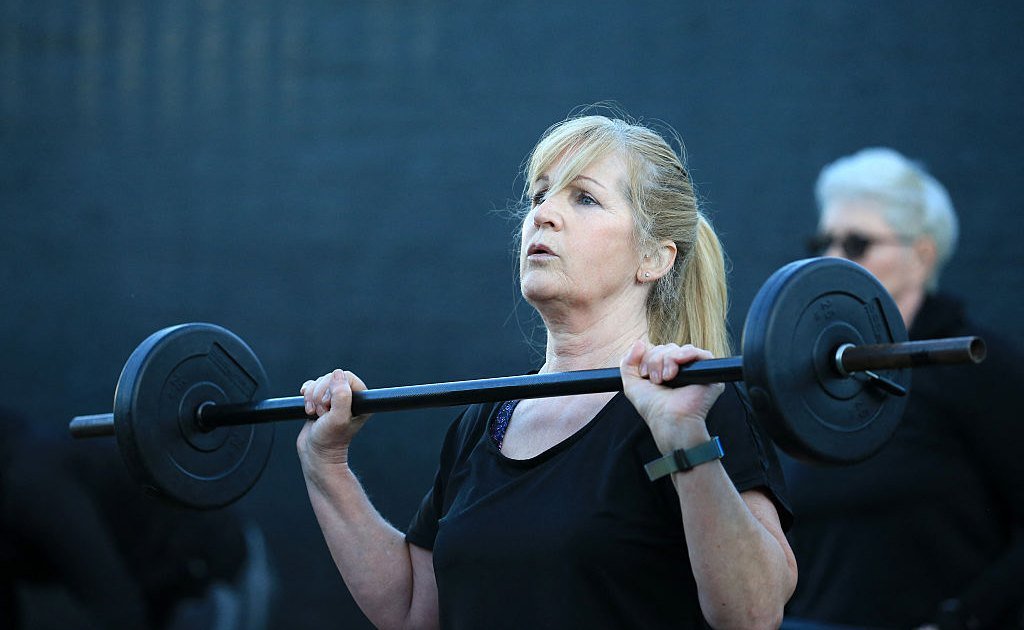
Creatine sales jumped 120 percent in the 52 weeks ending March 2023, according to SPINS data , and the new wave of customers driving that growth isn’t the male gym crowd that built the supplement’s reputation. It’s women, many of them in their 30s, 40s and 50s, paying attention to research suggesting creatine may do more than support strength training.
It may also support brain function, sleep and the muscle and bone changes that come with perimenopause and menopause. Halle Berry has publicly credited it for helping her manage menopausal brain fog, and the science behind that claim has been building for years.
What Creatine Actually Is and Why Women May Respond Differently
Creatine is a naturally occurring compound the body produces in the liver, kidneys and pancreas. About 95 percent is stored in skeletal muscle and 5 percent in the brain and heart, according to a May 2025 review in the Journal of the International Society of Sports Nutrition. It’s not a steroid or a hormone. Both men and women make it naturally and consume it through food, primarily red meat and fish.
Women tend to start from a lower baseline. The JISSN review reports approximately 20-30 percent lower dietary creatine intake in women than men, along with lower natural synthesis rates, which may make women especially responsive to supplementation. Post-menopausal women also face declining estrogen, accelerated muscle loss, reduced bone density and changes in brain function, all areas where creatine has shown measurable benefit.
Does Creatine Make Women Bulky? The Myth vs. The Science
This is the question that keeps many women from trying it. Women have approximately 15 to 20 times lower testosterone than men, making significant muscle bulk from creatine physiologically implausible.
What creatine actually does is support ATP energy production during high-intensity effort, allowing harder training sessions that over time support lean muscle development. Initial water retention occurs inside muscle cells as part of the mechanism that stimulates muscle protein synthesis. It’s not cosmetic bloating.
What New Research Shows About Creatine, Perimenopause and Menopause
TheCONCRET-MENOPA randomized controlled trial, published in the Journal of the American Nutrition Association, was the first double-blind RCT to specifically test creatine in perimenopausal and menopausal women. Across 36 participants over eight weeks, a medium dose of 1,500mg per day of creatine HCl improved reaction time by 6.6 percent versus 1.2 percent with placebo and increased frontal brain creatine levels by 16.4 percent.
A separate July 2025 study from St. Olaf College of 15 peri and postmenopausal women found significant increases in lower body strength and positive improvements in sleep quality in perimenopausal women, a benefit not typically associated with the supplement.
Why Creatine and Brain Health Are Now Being Talked About Together
As estrogen declines during perimenopause, creatine stores in the brain can fall precisely when the brain needs them most.Research reported by ScienceDaily in May 2026 on new Taylor & Francis findings noted creatine may support memory, mood and cognitive speed, especially in people with lower baseline levels. The CONCRET-MENOPA trial’s 16.4 percent increase in frontal brain creatine is the first human evidence of its kind in menopausal women.
It’s the same mechanism Halle Berry has pointed to, telling her podcast audience she thought she’d “never” take creatine, associating it with bulking, but now takes it daily and credits it for helping her think more clearly during menopause.
Is Creatine Safe for Women to Take Long Term?
A comprehensive 2025 analysis of 685 clinical trials found no significant differences in side effect rates between placebo and creatine groups, per the JISSN review. The CONCRET-MENOPA trial reported no severe adverse effects in perimenopausal and menopausal women. Readers with kidney concerns or who take other medications should check with a clinician before starting.
How Much Creatine Women Should Actually Take
The standard recommendation is 3 to 5 grams per day of creatine monohydrate, with no loading phase required. Creatine HCl shows specific promise for cognitive benefits in menopausal women at lower doses of 750 to 1,500mg per day per the CONCRET-MENOPA results. Timing matters less than consistency, according to the JISSN review. Daily intake over weeks and months is when the muscle, strength and cognitive effects tend to show up.
Read the full article here