





Autonomous crop-managing inventions pushed by agricultural tech companies could spell doom for laborers in Northern California’s wine country.
The machines were part of an event at the UC ANR Innovate’s Hopland Research and Extension Center on June 30 that showcased eight agricultural startups.
UC ANR Innovate is the innovation branch of the University of California’s agricultural and natural division.
The Hopland Research Center’s 5358 acres of rugged Northern California Coast Range landscape and diverse elevations made for a perfect playing field for the new age farm equipment.
“Field days are where the abstract work of agricultural innovation becomes concrete. When you get a startup, a farmer and a researcher in the same field looking at the same piece of equipment, the questions get sharper and the feedback gets more useful,” the director of UC ANR Innovate Helle Petersen said.
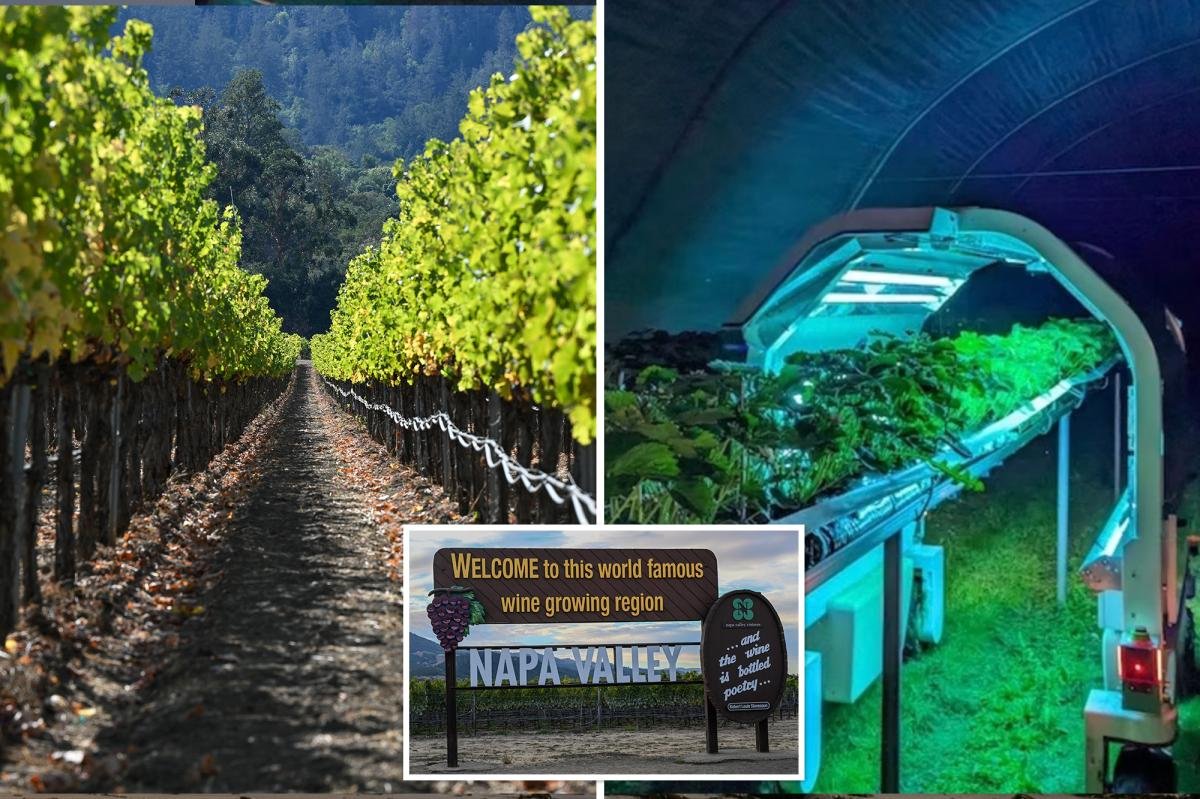
Saga Robotics showed off its invention called Thorvald, which is an autonomous robot that “controls fungal diseases with powdery mildew with UV-C light” and treats “strawberries and grapevines.”
Another company called Agtonomy developed software that allows farmers to run repetitive jobs like mowing and weeding using autonomous, remote-controlled equipment.
Lumo, a precision irrigation platform that delivers the perfect amount of water to crops, also was exhibited.
Other companies at the field day included CropMind, Phytech, Verdi, Ag-Bee, and Scout.
The field day was part of UC ANR Connect, the applied innovation programming branch of UC ANR Innovate, and was run in partnership with Farmhand Ventures.
Farmhand Ventures is a venture capital firm that invests in “pre-seed and seed stage agtech companies that are enabling a just transition towards the future of work in agriculture in the US.”
While a rise in autonomous robots into vineyards can slash chemical pesticide use and eliminate safety hazards, it could lead to a widespread displacement of seasonal field workers.
In Napa Valley, the farmworker workforce is around 9000 while about 60% of farmworkers work seasonally, according to an assessment made by the Napa County’s Board of Supervisors in 2024.
Read the full article here