


Updated ,first published
A group of women and children linked to Islamic State have left their Syrian detention camp and are attempting to return to Australia in a renewed bid for freedom.
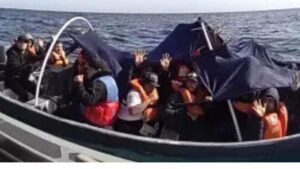
Four women and nine children – all Australian citizens – have departed al-Roj camp in north-eastern Syria after seven years of detention following the fall of the so-called caliphate.
The four families travelled to Damascus and were expected to be “deported under security procedures” within 72 hours, said Lana Hussein, an official with the women’s protection unit of the Kurdish-led Syrian Democratic Forces, which manages the camp’s security.
It is the second attempt by the group to return to Australia since February, when they, as part of a larger cohort of 11 families comprising 34 women and children, left the camp but were turned back 50 kilometres down the road.
A political stoush erupted in Australia over their potential return, just months after the allegedly IS-inspired massacre at Bondi.
The Australian citizens have been held in Syrian camps since the fall of Islamic State in the country and the death or capture of their IS fighter husbands and fathers.
Prime Minister Anthony Albanese insisted in February that the government was not assisting the cohort and he had “nothing but contempt for these people” who left Australia to join IS.
“If you make your bed, you lie in it,” Albanese said.
Deputy Prime Minister Richard Marles told Sky News on Saturday: “The Australian government is not repatriating those people from Syria”.
A government spokesperson said in a statement that security agencies continued to monitor the situation to ensure they were prepared for any Australians seeking to return.
“People in this cohort need to know that if they have committed a crime and if they return to Australia they will be met with the full force of the law. The safety of Australians and the protection of Australia’s national interests remain the overriding priority,” the spokesperson said.
Al-Roj camp director Hakamia Ibrahim said in February that the cohort had planned to travel to Beirut in Lebanon from Damascus, from where they would fly home.
“We can confirm that today the co-ordination was perfect,” Ibrahim told the ABC on Friday. She added that there were no immediate plans for any Australians remaining at the camp to follow.
One woman was issued a temporary exclusion order after February’s aborted attempt, which bars her from returning to Australia. The home affairs minister can issue such an order to protect Australians from national security risks.
On Saturday, opposition home affairs spokesman Jonno Duniam questioned whether the cohort had been properly vetted and called on the government to urgently intervene. He said it was not acceptable that only one temporary exclusion order had been issued.
“Until the government can provide assurances that these people, whoever they are in this cohort, don’t pose a risk to our community – to our national security – then my belief is that efforts should be made to prevent them from coming back,” Duniam told reporters.
“They should not be getting on a plane. They should not have been issued a passport to come back here.”
The Coalition attacked the government over the handling of the families after it was revealed they had been issued new passports, which they are entitled to as citizens. In the furore over the first return attempt, new Opposition Leader Angus Taylor proposed making it illegal for charities to go to Syria and help the women and children escape camps.
Mothers distressed at the February failure said they would willingly go to prison in Australia for terrorism offences if it meant getting their children out of Syria.
Save the Children, a charity that has maintained an interest in the welfare of the cohort, said it was not involved in the repatriation effort but called on the government to protect the children remaining in the camp by bringing them home.
“Every child deserves the chance to go to school and grow up in safety, no matter their family’s circumstances,” chief executive Mat Tinkler said.
A number of Australians have been repatriated since the fall of the so-called caliphate. In 2019, the Morrison government brought back eight orphans and one newborn baby.
Then, early in Albanese’s first term, in 2022, the repatriation of four Australian women and their 13 children to Sydney prompted a minor backlash.
Sydney doctor Jamal Rifi, who flew to the Middle East to help facilitate the first return attempt, has said the children are innocent victims of their fathers.
He argued in this masthead that Australia would be safer if the families could make an orderly return, so the children received support and the mothers faced any appropriate legal consequences.
“Children should not suffer the consequences of a parent’s evil deeds,” he said.
Rifi did not respond to requests for comment on Saturday.
With AP


From our partners
Read the full article here