





NEWYou can now listen to Fox News articles!
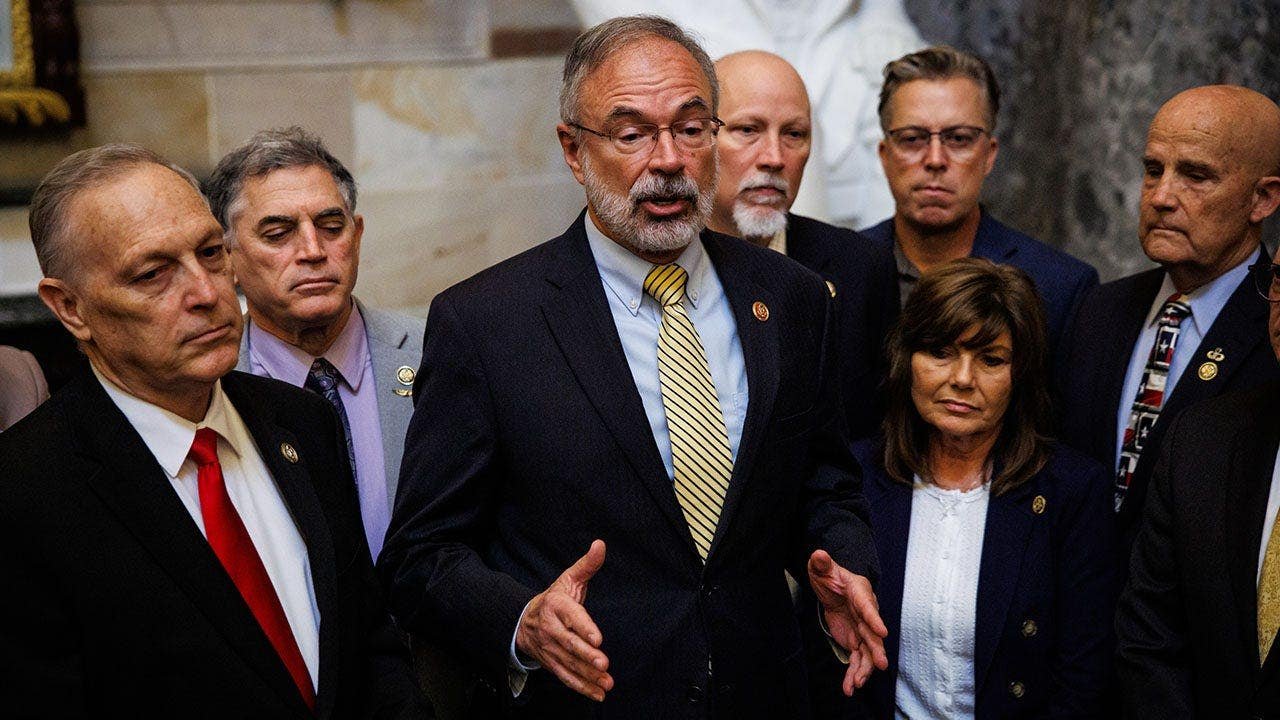
Conservative House Republicans are escalating a fight over government surveillance as Congress reopens debate this week on a controversial warrantless spying program.
Members of the House Freedom Caucus are pledging to hold firm on adding a permanent ban on central bank digital currency (CBDC) to any legislation that reauthorizes Section 702 of the Foreign Intelligence Surveillance Act (FISA). But the proposal faces widespread opposition from Senate Democrats and is viewed as dead on arrival in the upper chamber.
The cross-chamber standoff threatens to complicate Congress’ ability to meet a mid-June deadline to renew the spy law, which the Trump administration argues is a critical national security tool.
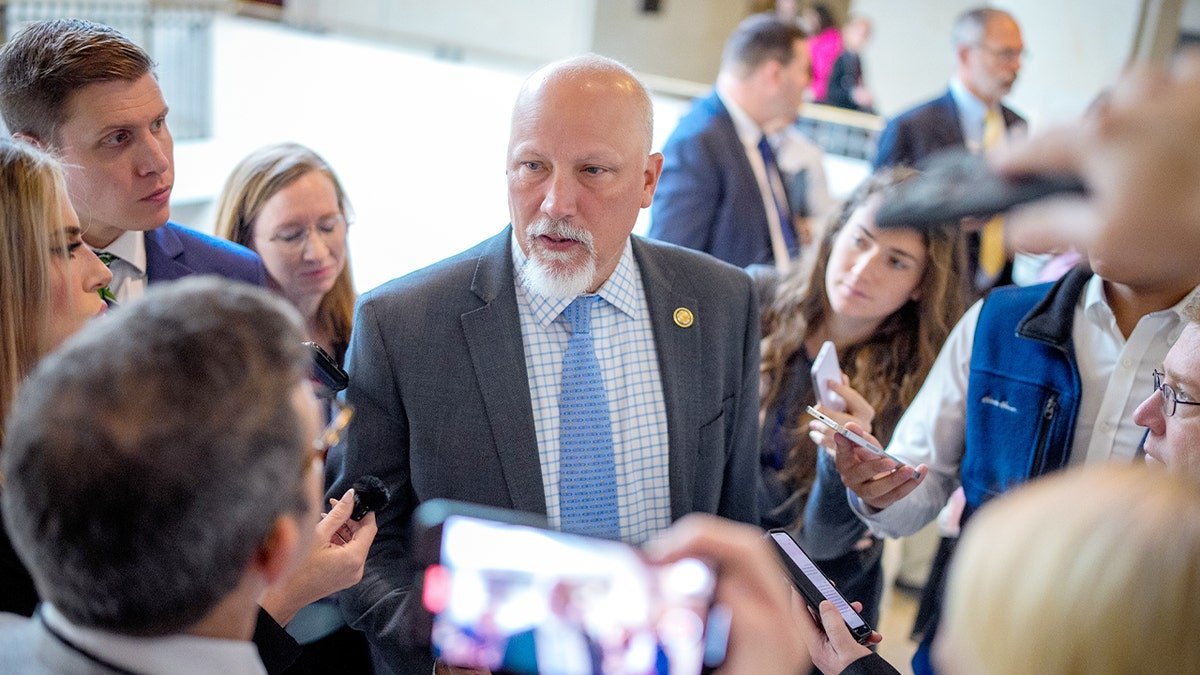
“If the Senate thinks they’re going to keep rolling over us, it’s just not going to happen,” Rep. Chip Roy, R-Texas, said at a news conference in late April, referring to the Senate’s opposition to including a CBDC ban in a FISA renewal bill.
SPEAKER JOHNSON ONE STEP CLOSER TO RENEWING CONTROVERSIAL SPY PROGRAM AFTER CONSERVATIVES FALL IN LINE
Both chambers in April approved a 45-day FISA extension to allow for more time for negotiations. House GOP privacy hawks objected to the short-term measure, citing its omission of a CBDC ban.
“CBDC can still make it across the finish line. Let’s just push on,” the Texas Republican added. “The Senate will respond to the people if they push hard enough. I’m positive on it.”
GOP privacy hawks argue a CBDC ban is a critical privacy guardrail against the Federal Reserve issuing a digital currency that could be used to surveil and potentially cut access to Americans’ financial transactions.
“They don’t want the government monitoring their bank accounts, telling them what they can buy, when they can buy it and when they’re not allowed to buy,” Rep. Scott Perry, R-Pa., said at a news conference, referring to his constituents’ concerns about a government-issued digital token.
The group has repeatedly sought to add a CBDC ban to various legislation over the past year, but has not yet been able to get a permanent ban on President Donald Trump’s desk.
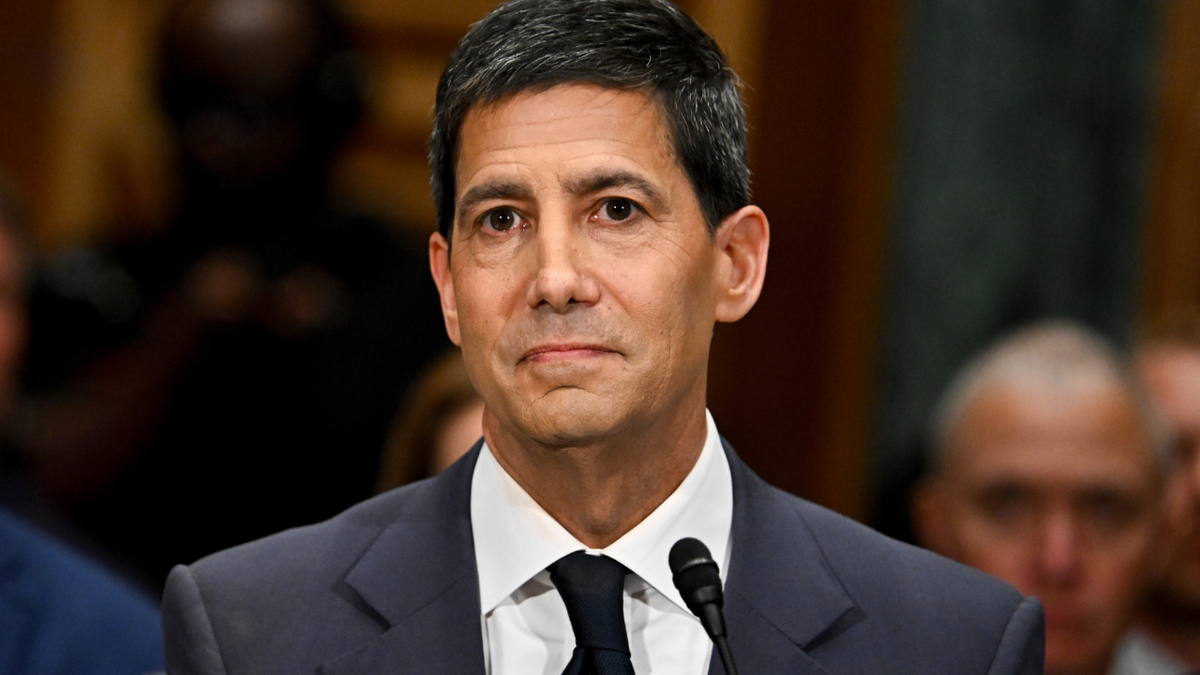
During his confirmation hearing, Federal Reserve chair nominee Kevin Warsh said he would not issue a CBDC during his term, calling the proposal a “bad policy choice.”

HOUSE GOP SLAMMED BY CONSERVATIVES FOR JOINING DEMS ON CONTROVERSIAL ‘KILL SWITCH’ AMENDMENT
The push to ban CBDCs is part of a broader effort by conservative Republicans to ramp up their fight against government surveillance.
“Americans don’t want Big Brother in their cars, their bank accounts, or their homes,” a spokesperson for the conservative House Freedom Caucus told Fox News Digital. “The gloves are coming off before FISA expires on June 12.”
Roy, the HFC’s policy chief, is pushing to repeal a Biden-era provision requiring a federal agency to draft a rule mandating impaired driver technology in new cars that could shut off vehicles if drunk driving is detected. The federal government has not yet moved forward with drafting the “kill switch” regulation.
“Do you really want to put that kind of data collection mandated inside every car? At what point is there just literally no privacy at all anywhere?” Roy said during a hearing in late April in support of adding a “kill switch” repeal amendment to FISA extension legislation.
GOP privacy hawks have also advocated for language that would add a judicial warrant requirement to the FISA renewal bill. While the law targets foreigners overseas using U.S. platforms, their communications with Americans can also be swept up and reviewed.
Privacy advocates in the Democratic Party have also long pushed for a warrant requirement to gather information on Americans.
CLICK HERE TO DOWNLOAD THE FOX NEWS APP
The Trump administration initially sought a clean 18-month extension of the spy law, but quickly ran into problems with a mix of conservative and progressive privacy hawks.
“We’re not going to pass something that’s a long-term, clean reauthorization,” Roy said. “I think that’s been taken off the table. We’ve demonstrated that, and we’re going to get reforms.”
Read the full article here