



Thursday’s Federal Court finding that supermarket giant Coles engaged in misleading conduct is good news for grocery buyers, but doesn’t solve all the problems of being a consumer in one of the world’s most concentrated retail food markets.
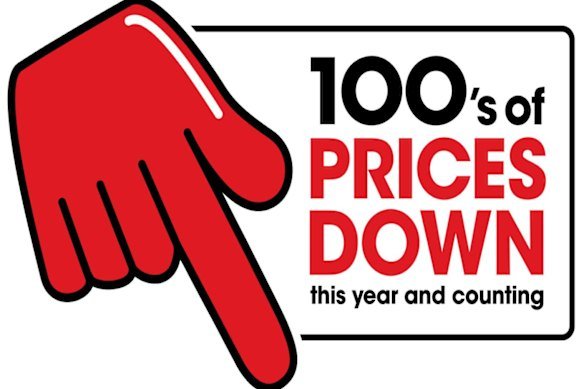
Justice Michael O’Bryan upheld allegations from consumer watchdog, the Australian Competition and Consumer Commission (ACCC), that Coles hiked prices on various goods for short periods before dropping them “Down Down” and claiming they’d been discounted. Consumers began to question it – flipping tags to find some shelf prices that were the same or lower than the new discounted prices. But the issues ran deeper.
Choice previously caught Coles hiking the price of a product it claimed was “locked” well before the retailer said it would. In December 2023, we complained to the ACCC, leading to Coles apologising and agreeing to refund customers who bought 20 “prices locked” products that it had quietly unlocked. The response to the ACCC’s probe into its “Down Down” promotions was less congenial.
In the Federal Court decision, the judge ruled that 13 out of 14 examples of Coles’ “Down Down” promotions misled consumers and that the discounts were not genuine. The goods needed to be sold for 12 weeks at the higher price before the discount could be considered genuine. Most of the products were advertised at the higher price for just four weeks. As a result, he found Coles had misled customers because those products weren’t sold at the previous “was” price for reasonable periods of time.
This outcome is good news for consumers and should lead to more transparent, fairer pricing practices in the future. It probably validates how many consumers felt. It may also make endless price increases less palatable and have a downward impact on price – alongside the impending commencement of the excessive pricing regime that Coles and Woolworths will have to comply with. But the judgment exposed a glaring potential loophole.
The Nature’s Gift dog food “Down Down” promotion the ACCC provided as evidence was found to not be misleading as the tag didn’t include a “was” price, despite having only been sold at a higher price for one week. Are we about to see “was” prices disappear from shelves and similar conduct continue? It’s clear that this issue doesn’t necessarily end here.
The new unfair trading prohibition before parliament may well address this problem in relation to omitting material information in a way that manipulates a consumer’s decision-making, or unreasonably distorts the environment in which they make a decision. But that will need to be tested, and the new prohibition isn’t expected to come into force until halfway through 2027.
The federal government accepted all the recommendations of the ACCC supermarkets inquiry. This included introducing minimum information requirements for price displays and discount promotions. That could well require supermarkets to display the “was” price for all discount promotions going forward, and this judgment makes these reforms even more urgent to protect consumers.
Although the facts of the ACCC’s case against Woolworths are similar, they’re not exactly the same, but this judgment will no doubt have triggered some tense meetings today as they await their fate.
Since consumers wised up to the supermarkets’ tactics, trust has plummeted. You have to wonder if the hit to trust in the brand was worth it, but in a country of highly concentrated markets, companies may not concentrate on that question so closely.
Bea Sherwood is a senior campaigner with consumer group Choice.
From our partners
Read the full article here