




A lesbian activist group seeking to exclude transgender women from events said it will continue its push for an exemption from discrimination laws after what it called a “win” in the Federal Court.
The Lesbian Action Group applied in 2023 to the Australian Human Rights Commission for a five-year exemption from Commonwealth sex discrimination laws to allow them to hold public events for “lesbians born female only”.
The laws make it unlawful to discriminate on the grounds of sex, sexual orientation or gender identity in the provision of goods, services and facilities.
The commission rejected the application for the exemption in October 2023, and the Administrative Review Tribunal affirmed the decision in January last year.
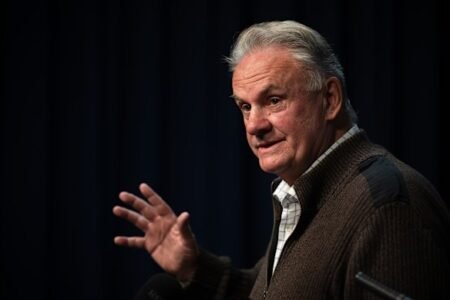
In a decision on Wednesday, Federal Court Justice Mark Moshinsky set aside the tribunal’s decision and ordered it to consider the case afresh after finding a “material” error in its reasoning.
The group welcomed the judgment on social media platform X.
“We have won the right to have the judgment from the tribunal set aside and be permitted to go back to the tribunal to continue our fight for an exemption to the Sex Discrimination Act to be able to have a public gathering for women just like us and only us.”
“The fight isn’t over and the law hasn’t changed but today was a major win for us,” the group said in another post.
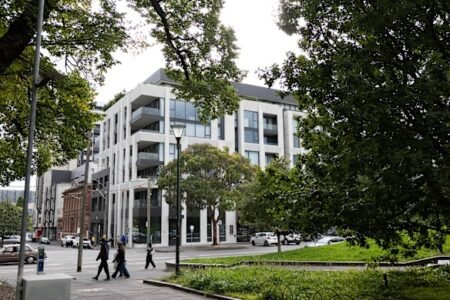
Moshinsky said the group “sought the exemption so that it could hold regular public events for lesbians born female only”, starting with an International Lesbian Day event in St Kilda, Melbourne, in 2023.
The commission denied the exemption three days before the event was scheduled.
Moshinsky said the tribunal had taken “too narrow a view of the scope” of the available exemption power in its 2025 ruling.
“While an exemption may be granted in circumstances that could be described as ‘positive discrimination’, the power to grant an exemption is not limited to such cases,” Moshinsky said.
“An exemption may be granted which serves other interests notwithstanding that it permits a person to engage in acts of discrimination on the ground of sex etc that would otherwise be prohibited.”
Katie Green, CEO of the Inner City Legal Centre in Sydney, advocates regularly for the rights of trans people. She warned that lobbying to exclude trans women was an “own goal” for the LGBTIQ community as a whole.
“If we see a winding back of trans rights in Australia, it’s going to be lesbian and gay rights that other powerful lobby groups will come after next,” Green said.
“At the ICLC we do work with lots of younger groups that are so much more open about their identity.
“So many younger trans women and lesbians are in fact attracted to one another because of the shared struggle.”
She was concerned the litigation, and cases like it, created a culture in which people felt emboldened to aim “hateful and often violent” behaviour towards the trans community.
“So many ICLC cases, big and small, revolve around the rights of trans people to exist in public spaces,” she said.
“What happens next? Then we have things like toilet bans potentially being next on the agenda.”
Sydney woman May May, who is trans and attracted to women, said the views of the Lesbian Action Group were not representative of the wider LGBTIQ community.
She was “doubtful that any trans women engage in that space at all”.
“I think this group is mostly an outlier within the queer community,” May said.
“If you love women, there will be trans women you love and there will be cis women you love.”
Having pockets within the LGBTIQ community attacking trans women was ultimately “self-defeating”, she said, because it created an environment in which the queer community as a whole could be marginalised.
Start the day with a summary of the day’s most important and interesting stories, analysis and insights. Sign up for our Morning Edition newsletter.


From our partners
Read the full article here