




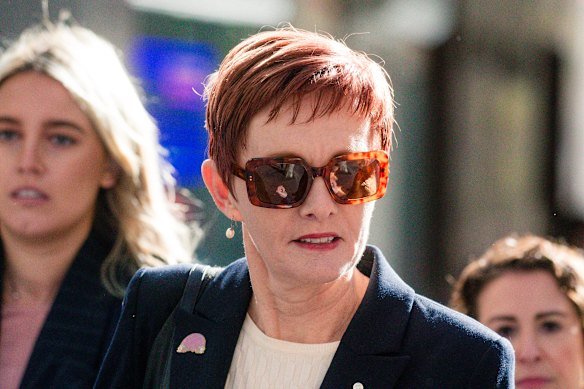
The Independent Commission Against Corruption inquiry into the upper echelons of Parramatta Council has opened the door on the sometimes cosy world of the third tier of government.
The ICAC is investigating three friends in powerful positions on Parramatta Council: the former chief executive Gail Connolly; Roxanne Thornton; and Angela Jones-Blayney, who called themselves the “Pink Ladies” or “Pink Ops”, for alleged subversion of recruitment practices.
Connolly is accused of a string of other inappropriate behaviours in her role, including terminating staff for reprisal action or to benefit herself and friends.
The trio had formerly worked together at Ryde and Georges River councils.
The commission’s Operation Navarra is also investigating whether Connolly and other staff engaged in conduct that constitutes a breach of public trust by misusing public funds to facilitate the exit of staff through deeds of release for personal advantage or to benefit others and disclosing confidential council information to third parties for personal advantage.
The hearings began on May 11 and the commission has heard expletive-laden and sometimes tearful testimony from two of the women about the group’s relationships and conduct in and out of the workplace.
Jones-Blayney remained taciturn giving testimony but – after 3½ days in the witness stand – Thornton broke down, blaming the ICAC for “public shaming” and saying they should be ashamed of themselves.
Connolly, who was sacked seven months ago, also broke down and admitted under questioning that she had traced the electronic signature of Thornton onto her own $500,000-a-year employment contract to ensure it was finalised before councillors could vote it down. Text messages showed the trio used a WhatsApp group to subvert hiring processes and handpick friends for high-level council roles and secretly spy on the emails of staff and a councillor, specifically targeting colleagues they considered “disloyal” or “obstacles”.
Before proceedings began on Thursday, the ICAC informed the Herald’s Parramatta bureau chief Anthony Segaert that a request had been made by someone on health grounds that he not be allowed to sit in the hearing room for the day’s evidence. The ICAC said it would not act on the request and did not say from whom it had come.
We certainly take the issue of health very seriously – but we fully back the integrity and behaviour of our reporters in this matter and their commitment to ethical journalism.
In July 2025, Segaert used freedom-of-information laws to reveal that the City of Parramatta had spent almost $5.24 million of ratepayers’ money removing 81 staff in four years, and 30 of them had signed secret agreements for payouts. The application was severely delayed, and the council initially asked the Herald to pay $750 to access the information, before granting it for free. It was an exclusive that exposed a questionable culture and resulted in considerable pushback from the council.
The ICAC inquiry is ongoing, and no findings have yet been made. But the wealth of evidence and testimonies heard so far have uncovered a multitude of issues of utmost importance that deserve to be aired in the public interest. The tenacity and investigative skills of Herald journalists led by Segaert involved in covering western Sydney have already been shown to have been on the right track.
Jordan Baker sends an exclusive newsletter to subscribers each week. Sign up to receive her Note from the Editor.


From our partners
Read the full article here