




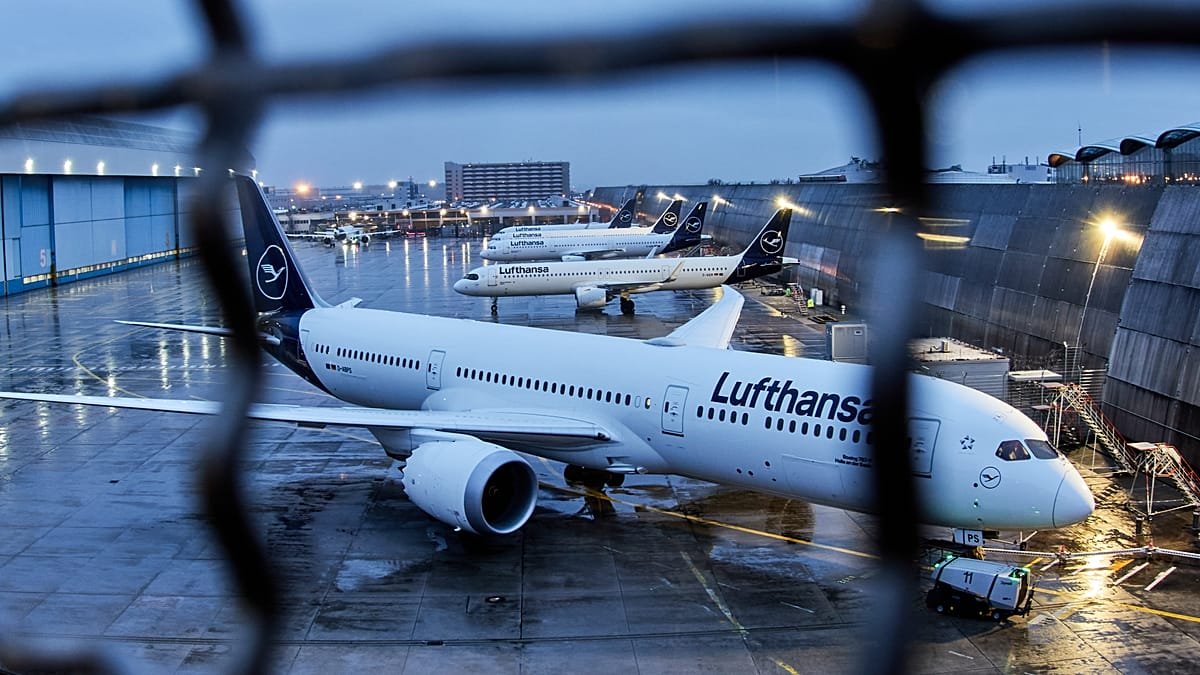
Lufthansa Group has cancelled 20,000 flights in a bid to curb jet fuel costs.
In a statement published on Tuesday, the group, which also includes flag carriers such as Austrian Airlines, Brussels Airlines, ITA Airways and SWISS, said the reductions target “unprofitable short-haul flights” through to October.
The move is projected to save more than 40,000 metric tonnes of jet fuel.
Some of the cuts will come from the closure of its CityLine regional subsidiary, which was announced last week. According to Lufthansa Group, CityLine flight cancellations equate to a 1% trim of its usual summer capacity.
The first 120 daily flight cancellations across the rest of the group were announced yesterday, and these will remain in place until the end of May. As a result of this, the group no longer offers flights to three destinations: Bydgoszcz and Rzeszów in Poland as well as Stavanger in Norway.
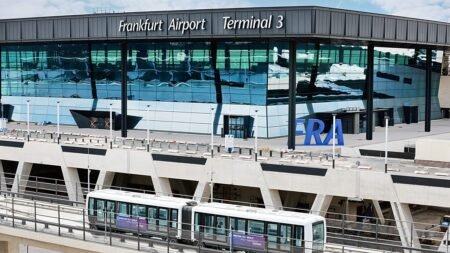
Many flight connections are also being consolidated to pass through the group’s different hubs, which include Frankfurt, Munich, Zurich, Vienna, Brussels and Rome.
Insights from Teneo, a global advisory firm, suggest carriers like Lufthansa are “less exposed” to flight disruptions compared to Middle Eastern airlines due to their multi-hub operating model.
“Passengers will therefore continue to have access to the global route network, particularly long-haul connections. However, due to the increase in jet fuel prices, this will be achieved significantly more efficiently than before,” the group’s statement read.
According to research data from The International Air Transport Association (IATA), the weekly average price of jet fuel in Europe currently stands at $188 (€159.97) per barrel – up 106.5% from last year’s average.
The news of the Lufthansa Group’s flight cuts comes as the European Union moves to clarify passengers’ rights and airlines’ public service obligations amid jet fuel shortages linked to the Iran conflict, Reuters reported on Tuesday.
“Europe is ready to welcome all the tourists and guests during the summer period,” Apostolos Tzitzikostas, European Commissioner for Sustainable Transport and Tourism said, adding that high fuel prices would not justify waiving passenger compensation for delays or cancellations.
Could more European carriers follow suit with flight cancellations?
The group certainly isn’t the only one in Europe to slim down summer scheduling.
Earlier this week, Norse Atlantic, a low-cost Norwegian carrier, axed its London Gatwick to Los Angeles route due to fuel fears.
“This cancellation is due to the unforeseen global fuel crisis, and we unfortunately – with [a] heavy heart – had to cancel our beloved LAX routes with too high fuel risk exposure,” a spokesperson told The Independent.
KLM announced that it is cancelling 160 flights to and from Schiphol Airport in the Netherlands in May, which is less than 1% of its European flights during that period. The Dutch carrier pointed to rising kerosene costs making the flights no longer financially viable to operate.
Scandinavian airline SAS also announced last month that at least 1,000 flights would be axed in April.
As many as 500 flights have been cut from Aer Lingus’ summer schedule, according to the Irish Independent. Although attributed to “mandatory maintenance” for aircraft, it comes against the backdrop of a wider trend across Europe.
Rising baggage costs add to passengers’ woes
Research by Teneo found sharp increases in airfares, with even the lowest average economy tickets costing passengers 24% more than last year – marking the highest average rise in the past five years.
But flight cancellations and hiked airfares are only part of the picture, with other travel-related costs also rising.
On the other side of the Atlantic, several carriers, including United Airlines, JetBlue and Delta are hiking checked baggage costs.
Passengers travelling with Delta will now pay an extra $10 (€8.51) for their bags. The new policy means a charge of $45 (€38.31) for their first checked bag, if they prepay ahead of time, and $50 (€42.57) if they pay their baggage fees within 24 hours of their flight.
A second checked bag could cost either $55 (€46.85) or $60 (€51.11), depending on the time it was paid for.
The carrier told ABC News it was the first time it has increased baggage fees in two years.
For Katy Nastro, a travel expert and spokesperson for Going, these pesky fees are not likely going to disappear anytime soon.
“These are here to stay for the next year, at least. They typically go in the upward direction.” she said.
Read the full article here