



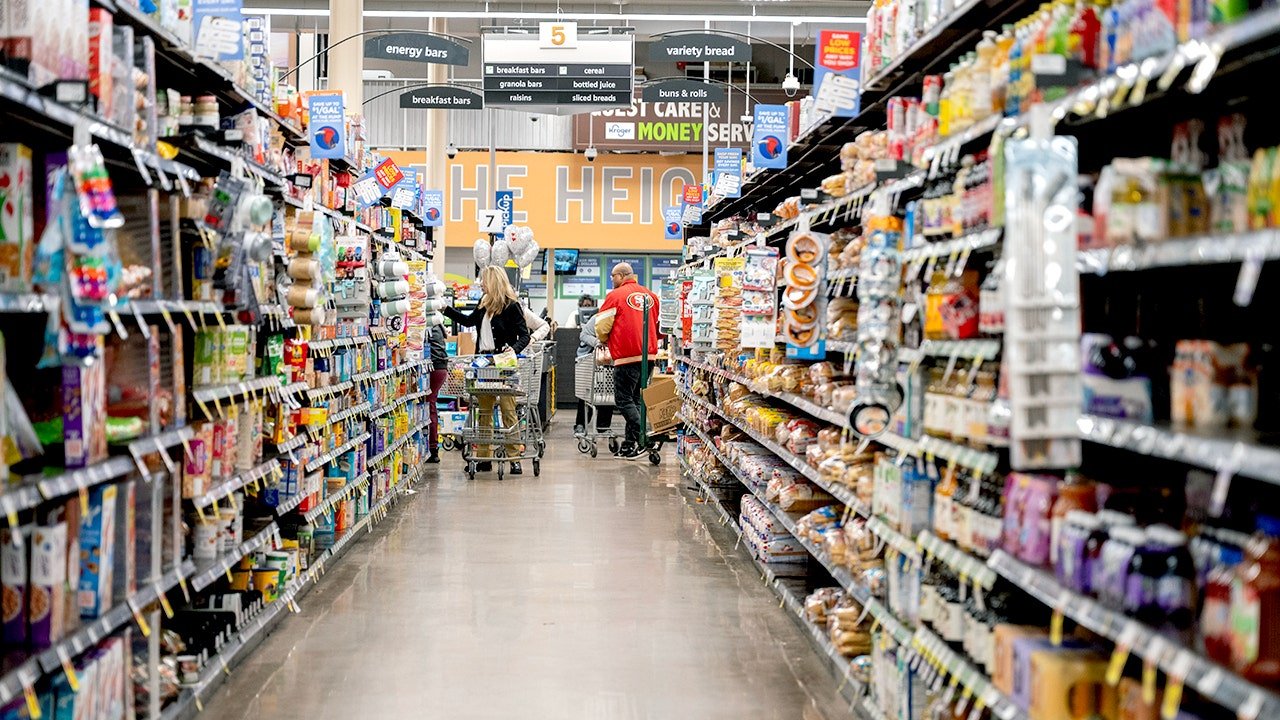
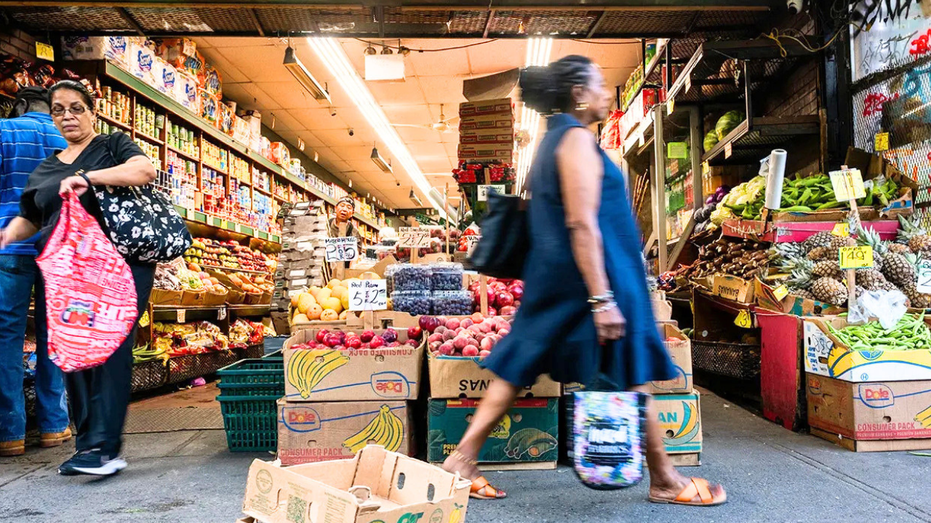
Independent grocers are facing mounting pressure from national retailers, with the head of the National Grocers Association warning that weak competition could eventually leave Americans with only a handful of major grocery chains.
Greg Ferrara, president and CEO of the National Grocers Association, told FOX Business that independent stores are fighting to maintain access to products and competitive terms in an increasingly consolidated industry.
He warned that America was approaching an “inflection point.”
“Independent grocers want to make sure they’re going to be around for the next generation. They’re going to be around for their Main Street and their communities and all the organizations they support there,” Ferrara said. “But they’re not going to be here, quite frankly, if they aren’t able to compete.”
DOJ EXPANDS BEEF PRICE INVESTIGATION TO WALMART, COSTCO, AMAZON AND OTHER MAJOR RETAILERS
“If we don’t have free markets, we don’t have open markets, if we don’t allow the best entrepreneur out there to win and serve their customers, we’re gonna wake up one day in this country and we’re gonna have just five or six national chains that are gonna be serving most of our customers,” Ferrara said.
“I think at the end of the day, that’s bad for America, that is bad for the communities that we serve, and it’s bad for consumers,” he continued.
Ferrara said independent grocers sometimes struggle to obtain the same products, promotions and purchasing terms available to the largest national retailers. For example, he said new products can be offered exclusively to a large chain for a period of time, leaving local competitors unable to sell something their customers want.
“Consumers want those products and they want to be able to buy them at their local stores, but they can’t,” he said. “So they’re now being boxed out and forced to go to one national chain that often has it.”
THE FAST-FOOD CHAIN WHERE MANAGERS AVERAGE MORE THAN $200K A YEAR

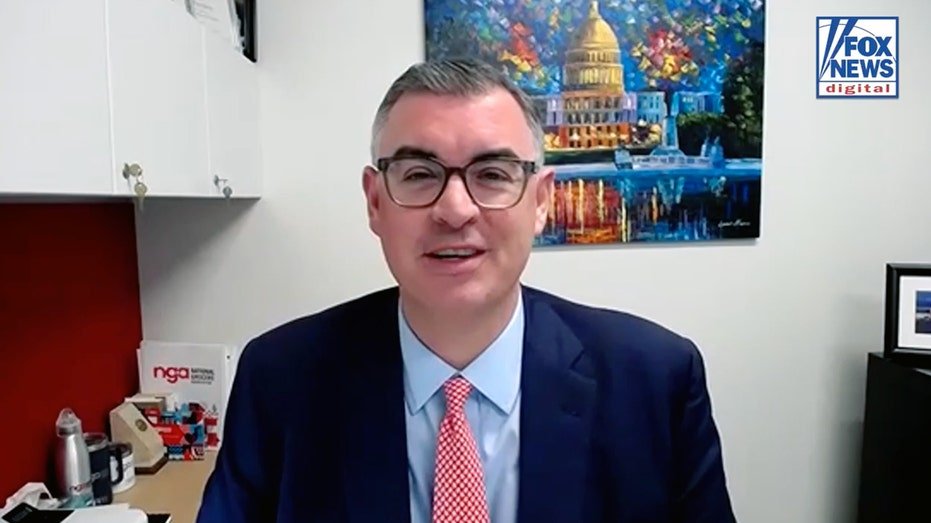
Ferrara stressed that independent grocers aren’t seeking favoritism: “They’re not asking for special treatment. They’re not asking for a leg up. All they’re saying is give me a chance to compete.”
According to NGA, independents represent more than 38% of total supermarket spending. Ferrara argued they can purchase products efficiently and at scale.
“They buy in truckloads and they buy efficiently,” he said. “They just need the access to those products and to those items to be able to be successful.”
Ferrara said independent grocers operate on net profit margins of less than 2%, leaving little room to absorb additional costs or competitive disadvantages.
BUILT FROM SCRATCH BY IMMIGRANT PARENTS, THIS NYC GROCERY STORE NOW FACES MAMDANI’S TAXPAYER-BACKED RIVAL
“When you’re effectively having one arm tied behind your back because you can’t get access to the products that the consumer wants or the package size that they want, that’s a challenge,” he said.
He said some NGA members believe the situation in certain product categories is “worse than ever.”
The Justice Department recently expanded its beef affordability investigation to include eight major grocery retailers — Kroger, Publix, Walmart, Albertsons, Aldi, Ahold Delhaize, Costco and Amazon — after previously opening an antitrust investigation into major meatpackers.
DOJ is examining retail beef prices, margins, purchasing arrangements and other factors influencing prices, FOX Business previously reported.
Ferrara said he did not want to prejudge DOJ’s investigation but argued that greater competition would benefit consumers.
COSTCO RAISES PRICE OF KIRKLAND MOTOR OIL AND LIMITS HOW MUCH SHOPPERS CAN BUY
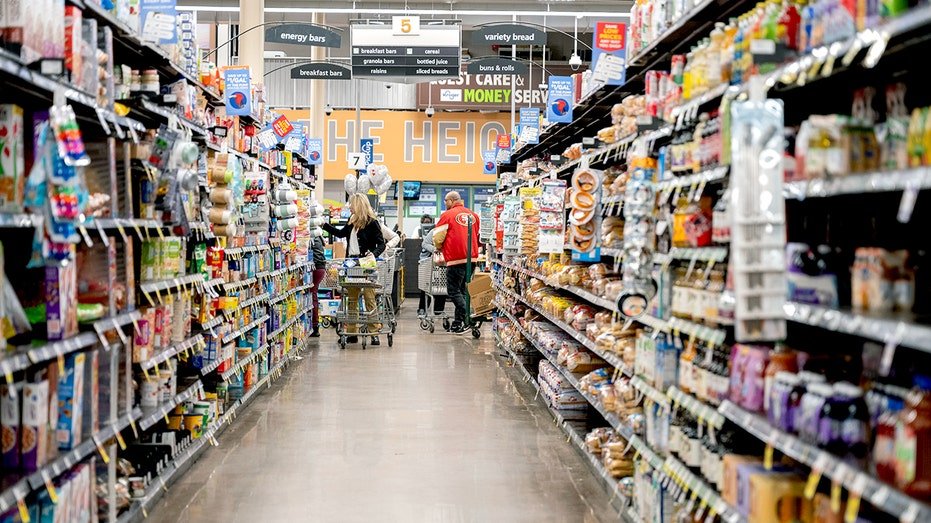
“We believe the more competition there is in the marketplace, that will ultimately benefit consumers, that will drive prices down,” he said. “It gives consumers choice and it gives our retailers the ability to serve and support local ranchers and farmers.”
“Ultimately, the DOJ needs to run their course,” Ferrara said. “I won’t weigh in on that.”
Beef prices remain high, Ferrara acknowledged, but he said independent grocers are seeing consumers adjust rather than abandon beef altogether.
“The price definitely may cause consumers to pull back a little bit,” he said. “Instead of buying a roast, they’re going to buy a smaller cut… or ground versus a steak, and they’re gonna trade down.”
To counter the potential sticker shock, Ferrara said independent stores might run stronger promotions on ground beef or offer smaller packages so shoppers don’t face as high a total price at checkout.
Looking ahead, Ferrara said he remains optimistic about the future of independent grocers.
“I think we’re gonna see a future that corrects course because ultimately that’s what consumers want,” he said. “We want to make sure that we’re taking the steps today to ensure that these businesses will be successful tomorrow.”
Read the full article here