




Local government councillor may be one of the worst-paid jobs in NSW. The lowest level of authority, local government, the tier closest to the people, used to be mainly concerned with roads, rates and rubbish but now delivers economic development and environmental protection, while expanding community services encompass social, recreational and cultural services.
As the business of local government has become far more complex, council officers’ salaries have grown to reflect the new responsibilities; elected councillors still do it pretty much for a pittance.
Mayors and councillors at the state’s 128 local councils are not paid full-time wages but receive fees determined by the Local Government Remuneration Tribunal. Those payments are determined by the size and type of council on which they serve; for councillors around Sydney, the range is $16,420 to $48,140 a year.
For most, it is not their primary source of income.
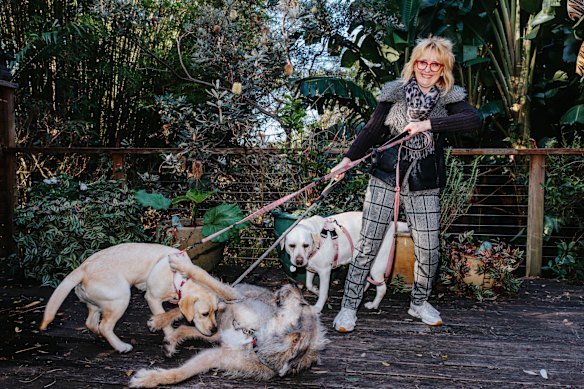
The Sun-Herald’s Siena Fagan has traced the surprising plethora of day jobs councillors undertake, including jiu-jitsu coach, stand-up comic, apiarist, teacher, martial arts master and cosmetic surgeon, to make ends meet. For some, though, the municipal stipend can be their main source of income.
Of course, nobody forced them to become low-paid councillors. Some are motivated by a sense of duty; others do it as a career move.
It is the tier of government that incubates both parochial fiefdoms and political ambitions. Labor especially has treated it as a training ground. Others, such as Dai Le, the independent federal MP for Fowler who stills sits on Fairfield Council, have used it to help leapfrog into a bigger pool with better remuneration.
Various inquiries by the Independent Commission Against Corruption and the Office of Local Government have shown ratepayers that councils are no strangers to bad behaviour by staff and councillors, yet that does not detract from the fact that most people who stand for election are motivated by good intentions.
The honour boards in most council chambers illustrate they were once largely male bastions, but that is changing gradually to reflect the broader community. However, low pay remains a disincentive for the young, and older generations still predominate, particularly in regional areas with shrinking populations.
Over the years, cash-strapped councils have been tasked with paying for services once funded by state and federal governments. Macquarie Street has largely resisted pay increases, ignoring a 2023 remuneration tribunal suggestion of a comprehensive review of the framework for mayor and councillor remuneration. They have always limited adjustments to the modest, tribunal-determined rises, and cited legislative constraints to back their parsimony.
A spokesperson for Local Government NSW, the peak body representing the state’s councils, said that remuneration had not kept pace with increases in the complexity of the role, and increases in the cost of living. But even among councillors there are those who believe the job is a reward in itself and should be done for love, not money.
Yes, there are councillors who are incompetent, corrupt, vain and stupid, but the majority work to improve their communities and leave them a better place. They are clearly worth the fees they are paid and deserve our thanks.
Start the day with a summary of the day’s most important and interesting stories, analysis and insights. Sign up for our Morning Edition newsletter.


From our partners
Read the full article here