





Newport Beach is ditching synthetic herbicides on its 17 athletic fields as alarm grows over a rare childhood cancer cluster in a nearby community.
The move comes as families grapple with at least six cases of Ewing sarcoma among children and teens since 2013 in Ladera Ranch, a master-planned community in south Orange County.
While none of the children with cancer are from Newport Beach, the City Council approved the Athletic Field Sod Management Program Tuesday, with officials announcing the move Wednesday.
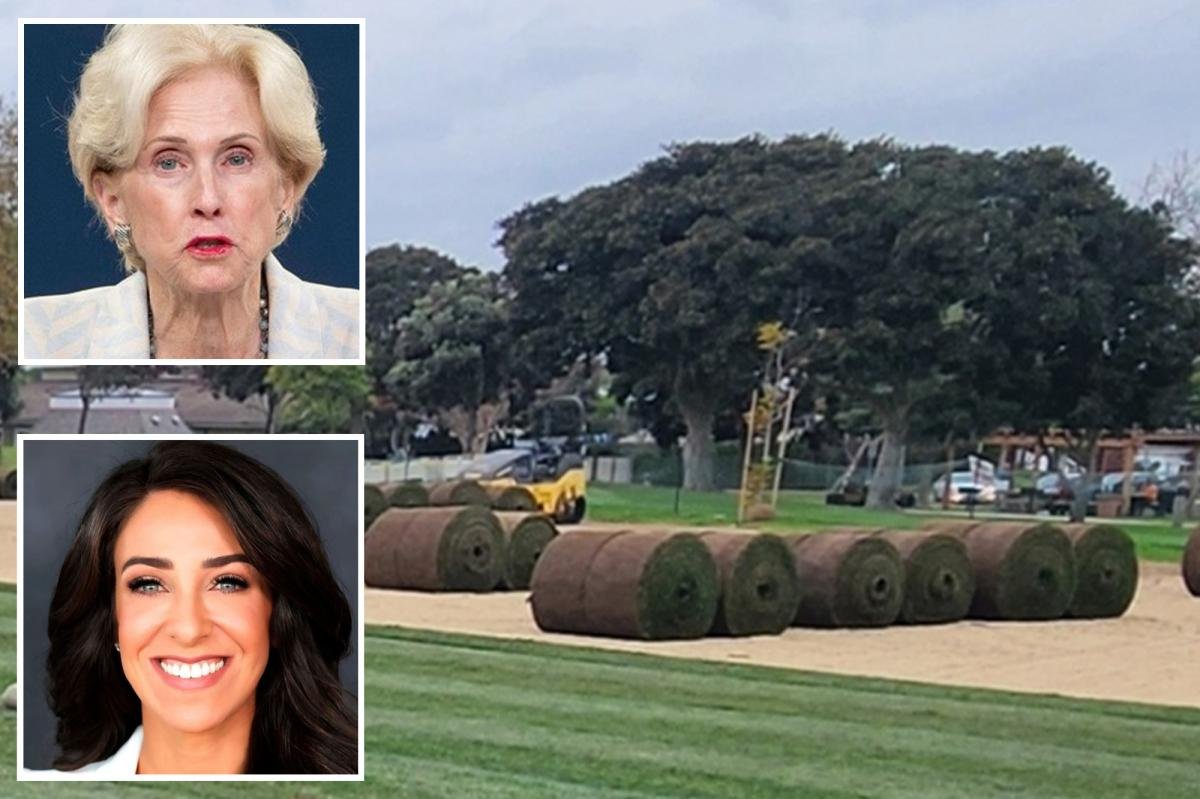
Orange County Assemblywoman Diane Dixon told the California Post she “applauded” Newport Beach City Council for taking the “important step to eliminate pesticide use on athletic fields.”
The Republican also praised the city for pairing the pesticide crackdown with a new turf-replacement strategy, calling it “a significant financial commitment to maintaining safe, high-quality outdoor spaces” while putting the “health of our children, families, and environment” first.
Instead of synthetic herbicides, the city will rely on organic treatments, mechanical weed removal and regular turf replacement.
The fields will be stripped, leveled and covered with new sod every three to five years, depending on their condition and use.
Newport Beach maintains about 1.9 million square feet of athletic-field turf.
Transitioning the sports fields to organic management is estimated to increase annual costs by $51,000 to $102,000, representing a 5% to 10% budget increase.
City officials said the regular returfing will tackle weeds and deterioration caused by heavy use while keeping fields safe and playable.
The policy grew out of a pilot program launched at Buffalo Hills Park in December 2025, where synthetic herbicides were replaced with organic treatments and mechanical weed control.
Newport Beach’s decision is part of a wider Orange County shift away from chemical weed control.
In May, Orange County ordered a countywide pause on herbicide spraying across Orange County Flood Control District channels.
Ladera Ranch’s maintenance corporation also ordered a 60-day pause on chemical weed spraying in its common areas in July, while the Capistrano Unified School District also paused herbicide use at campuses in San Juan Capistrano, Laguna Niguel, Aliso Viejo, San Clemente and Dana Point.
California also began phasing out paraquat this month after manufacturers of pesticide products containing the powerful weedkiller voluntarily canceled their registrations in the state.
Other communities have already made organic landscaping a centerpiece of their maintenance policies.
The Aliso Viejo Community Association has switched to a 100% organic land-management model for major neighborhood hubs such as Canyon View Park.
San Juan Capistrano and Laguna Hills have shifted to organic turf-management protocols on public sports fields.
Irvine has long maintained a permanent ban on synthetic pesticides and fertilizers on all public city properties, while Costa Mesa operates under a permanent organic-first policy that heavily restricts toxic chemicals in public parks.
Download The California Post App, follow us on social, and subscribe to our newsletters
California Post News: Facebook, Instagram, TikTok, X, YouTube, WhatsApp, LinkedIn
California Post Sports Facebook, Instagram, TikTok, YouTube, X
California Post Opinion
California Post Newsletters: Sign up here!
California Post App: Download here!
Home delivery: Sign up here!
Page Six Hollywood: Sign up here!
Read the full article here