




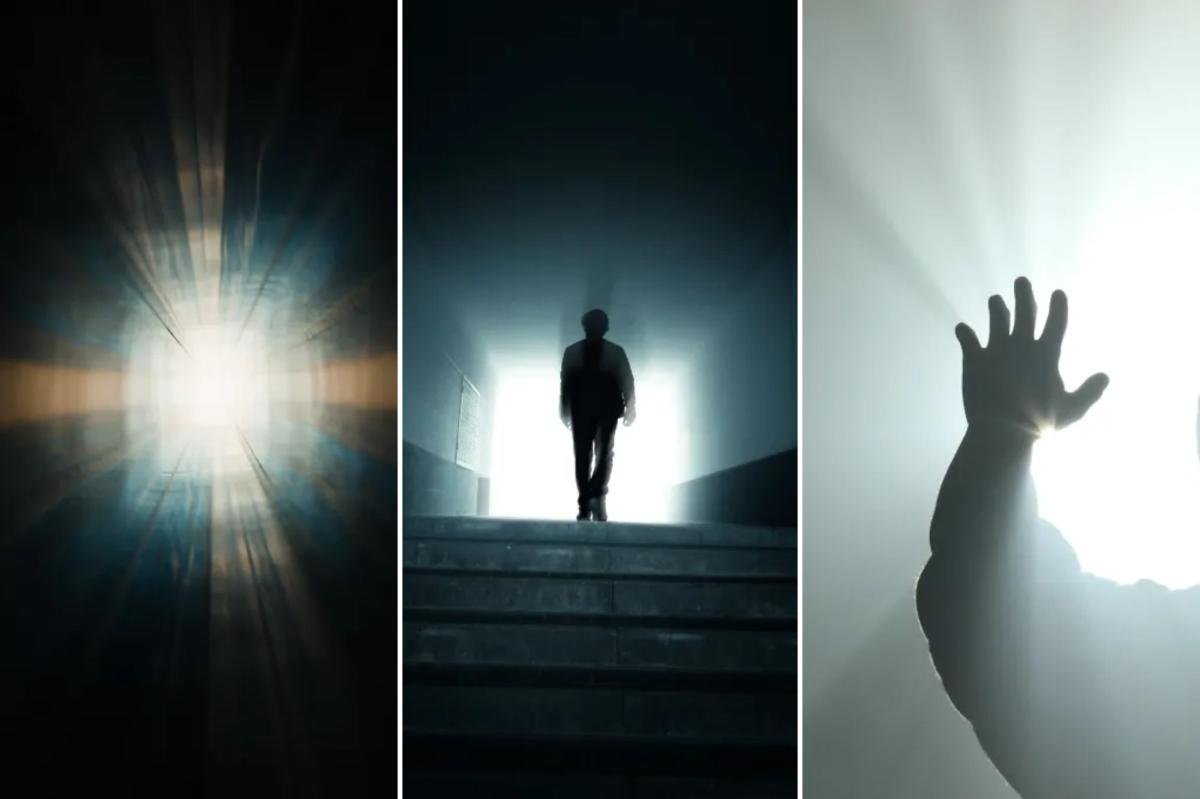
New research reveals that common visions arise in the days before death.
Researchers from Azienda USL–IRCCS di Reggio Emilia surveyed 239 Italian palliative care professionals, hospice volunteers, nurses, and psychologists about the end–of–life dreams and visions (ELDVs) their terminally ill patients had shared with them.
Results published in the journal Death Studies show that certain themes and images emerge in the final stage of life.
“‘[ELDVs] carry an important relational potential,” the team explained.
“Talking about ELDVs allows patients to approach otherwise unspeakable topics through a symbolic mode of expression, bypassing the obstacles of rational language, which can instead trigger defensive reactions such as denial.”
A dream is a sequence of images, thoughts, emotions, and sensations that our mind generates while we sleep. All of us dream every night.
Dreaming is believed to help us process our emotions, store memories, strengthen neural connections, reduce stress, solve problems, and think creatively.
Vivid dreams happen most often during the rapid eye movement (REM) sleep stage, when the brain is particularly active.
Some people, especially women, said they were able to recall their dreams more often during the COVID-19 pandemic, which researchers attributed to greater stress, depression, and sleep disruptions.
In this sense, we could extrapolate that terminal illness triggers the kind of stress, depression, and sleep disruptions that could intensify dream recall.
Indeed, many of those on the brink of death reported vivid dreams of being reunited with departed loved ones.
Others experienced visions associated with liminality and transition, such as bright light, doorways, and staircases.
Researchers maintain that dream images may function as a kind of psychological relief for the soon-to-be departed, and that comforting dreams of lost loved ones in particular could be viewed as psychospiritual coping mechanisms
“‘One professional recounted a patient who dreamed of her husband saying, ‘I’m waiting for you,’ interpreting this as a sign of inner peace and acceptance of death,” said the team.
Another patient remembered a dream in which she was “climbing barefoot toward an open door filled with light.”
Still others recalled serene dreams filled with soothing symbols, such as a “white horse galloping along the shoreline.”
It wasn’t all pale ponies, soft-speaking ghosts, and white light, however.
Some patients recounted deeply disturbing visions, such as a monster with the face of their mother dragging them down.
Yikes.
Experts believe dreams of that nature are a sign of conflict and reflect a fear of death and/or letting go of life.
“Distressing visions might indicate unmet clinical or emotional needs,” said study authors.
Ultimately, the reason for these visions remains unclear and, according to researchers, warrants deeper and further consideration.
While many studies have focused on the visions encountered by those who have had near-death experiences, this is the first scholarship centered on the sleep visions of the terminally ill.
“‘Despite their prevalence and relational significance, ELDVs still lack a clear cultural and clinical understanding,” said research team leader Elisa Rabitti.
“Patients often hesitate to disclose them due to fear of ridicule, judgment, or being perceived as confused and may minimize their importance when they do share them.”
Still, ELDVs overlap with the imagery reported by those who survive near-death experiences (NDES).
According to a recent study, participants described seeing tunnels, bright lights, staircases, loved ones, and sometimes, cosmic or geometric patterns.
Read the full article here