





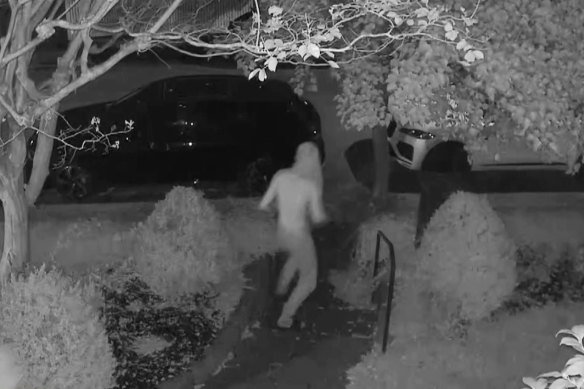
Burglars are targeting Melbourne’s upmarket neighbourhoods in record numbers, with one area in the city’s east hit with an eightfold increase in aggravated home burglaries over the past decade.
The council areas of Boroondara, Bayside and Stonnington all recorded a 10-year high in residential aggravated burglary rates last year, according to figures from the Crime Statistics Agency, making them the state’s aggravated break-in hotspots.
A residential burglary is classified as aggravated if a person is home at the time of the offending, even if not confronted by the perpetrator.
In Boroondara, which includes Kew, Hawthorn and Camberwell, the rate of aggravated burglaries per 100,000 people increased nearly eightfold between 2016 and 2025, from 28.8 to 227.8. There was a 5.9 per cent increase between 2024 and 2025.
Bayside had the highest rate of aggravated burglaries in the state, quadrupling from 57.3 per 100,000 people a decade ago to 240.4 last year.
And Stonnington, which encompasses South Yarra, Toorak and Malvern, has seen the rate of aggravated burglaries more than triple from 2016 to 2025, rising from 65.8 to 223 per 100,000 people, up 7.3 per cent between 2024 and 2025.
The statewide incident rate for residential aggravated burglaries last year was the second-highest on record (2024 was the worst year), at 88.1 per 100,000 people, up from 56.1 in 2016.
Criminologist Dr Brianna Chesser linked the surging crime rates in Melbourne’s prestige suburbs to organised groups of adults and young people targeting places with known “high-value items”.
“[These are items] such as luxury cars and luxury items. In some cases, we are aware that these groups operate like a business and would have a ‘pick list’ of items for a night’s worth of crime,” Chesser said.
She said aggravated burglaries have a significant impact on the families that goes well beyond stolen property and damage to windows and doors.
“The emotional toll is huge, with some victims being physically hurt by offenders, developing psychological conditions such as adjustment disorder or post-traumatic disorder, but most importantly, they have had their privacy invaded and their sense of safety shattered.”
The RMIT criminologist said it was usually a core group of offenders responsible for the majority of crimes. She called for more vigilance from families to make sure their homes are secured, for people to be aware of groups travelling together at night and acting in a suspicious manner, and a targeted police action plan.
In 2022, businesswoman and influencer Rebecca Judd took aim at the state government over “rapes, bashings and home invasions at the hands of gangs in Bayside”.
The social media post drew a response from then-premier Daniel Andrews, who replied: “I’m sorry she feels that way; the data will tell a different story.”
However, the aggravated burglary data has consistently backed Judd. Between 2022 and 2025, residential aggravated burglary rates in Bayside, which includes Judd’s home suburb of Brighton, have more than doubled.
A Victoria Police spokesperson said that ongoing police work was required to achieve sustainable reductions in home break-ins. Operation Trinity was the force’s largest operation, targeting home burglaries with the goal of preventing break ins before they happen, they said.
Suspect cars are pulled over, known hotspots patrolled and offender’s homes monitored, the force’s spokesperson said.
The operation led to the arrest of more than 600 burglars last year.
In 2025, the criminal incident rate was 6521 per 100,000 people, an increase of 2.3 per cent on 2024. Overall 473,262 criminal incidents were recorded in the state last year, an increase of 18,161, or 4.0 per cent.
“With 230,213 different victims of crime, we are seeing far too many innocent community members harmed,” said Deputy Commissioner Regional Operations Bob Hill last month.
A Victorian government spokesman acknowledged there was more work to do to keep the community safe.
“We can already see our reforms are starting to deliver results with growth in serious and violent crime beginning to slow and record bail refusals and revocations,” they said.
Victoria’s Opposition Leader Jess Wilson, whose electorate of Kew encompasses much of Boroondara council area, said, if elected, her government would recruit 3000 new police officers.
“Under Labor, crime is at an all-time high and Victorians are living in fear in what should be the safest place of all – their own home,” she said.
Stonnington Council mayor Melina Sehr said all levels of government had a role to play in crime prevention and noted that council officers regularly met with Victoria Police to respond to emerging issues.
“I am deeply concerned about the rise in aggravated burglaries among our community. Our residents have a fundamental right to feel safe in their homes, in their cars, and in their neighbourhoods,” Sehr said.
A Boroondara council spokesperson said they encouraged residents to take sensible precautions, and register their home CCTV cameras with the police community registry. The council regularly inspects its street lights to ensure coverage is adequate.
“Burglars are opportunists who seek easy targets,” the spokesperson said.
Bayside council did not respond to request for comment.
The government said police workforce issues were not unique to Victoria, and it continued to have more police on the beat than anywhere else in the country.
Victoria Police said a 2.4 per cent increase in the overall offence rate was a positive sign crime was beginning to become more controlled. From 2022 to 2025, the crime rate increased by more than 19 per cent.
Start the day with a summary of the day’s most important and interesting stories, analysis and insights. Sign up for our Morning Edition newsletter.


From our partners
Read the full article here