





Many of us thought that Bulgaria winning the Eurovision Song Contest would mean the capital, Sofia, would be hosting in 2027.
However, it’s now been revealed that Burgas will play host.
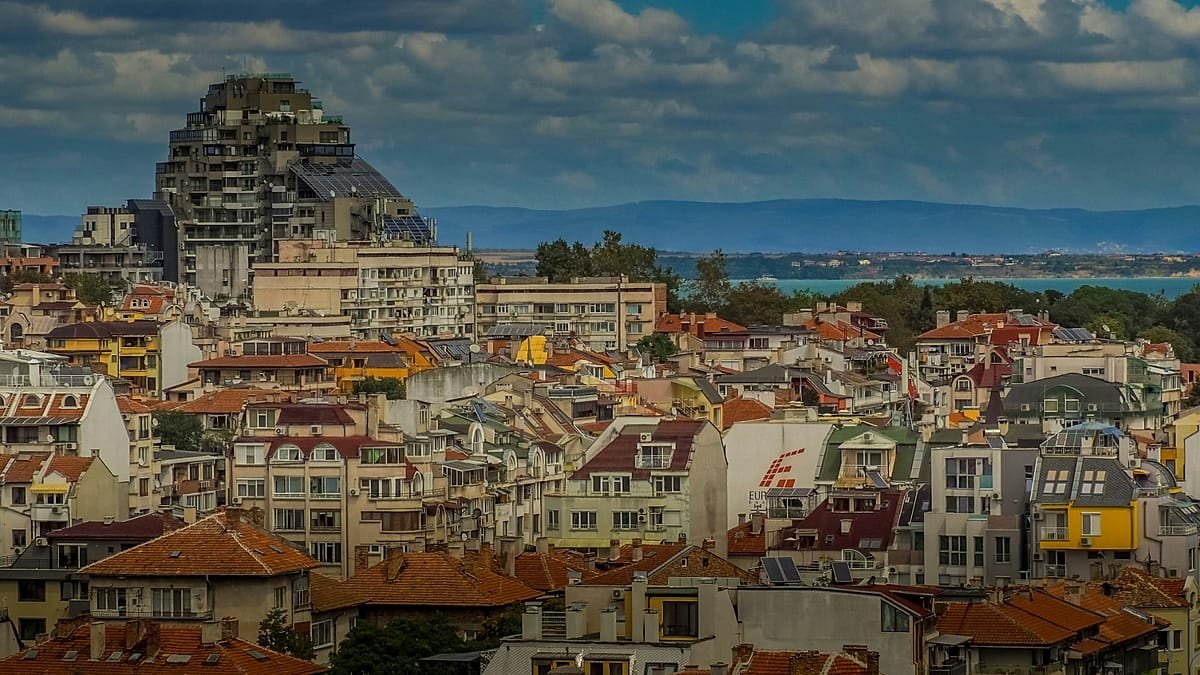
Far less known internationally, it’s already one of the country’s best-loved seaside escapes and Eurovision’s arrival next May will put its beaches, buzzing waterfront and relaxed summer atmosphere firmly on the international map.
While the contest will bring the crowds, there’s plenty here beyond the Eurovision bubble, from long sandy beaches and leafy parks to seafood restaurants, cultural sights and a lively arts scene.
Whether you’re heading over for the show or simply want to see what all the fuss is about, here’s how to make the most of Burgas.
How to get there
Burgas, the fourth-largest city in Bulgaria, is located on the Black Sea, known for its sandy beaches and clear blue seas.
It’s about 400 kilometres from Sofia and just under 150 kilometres south of Dara’s – 2026’s Eurovision winner – hometown of Varna.
Burgas airport is actually better served than you might think.
It’s located just 10 kilometres from the city centre, and welcomes direct flights from many European hubs including London, Rome and Berlin. Getting to the city centre from the hub is simple, as there’s a frequently-running bus route between the two.
If you’re combining a trip to Burgas with a visit to Sofia, trains run about eight times a day, with the fastest journey taking just five hours and 43 minutes.
Buses are even faster, taking a minimum of five hours from Sofia to Burgas. They run on average six times per day.
When you arrive in Burgas, e-bike rental is everywhere and the city has a decent public transport network, with Burgasbus the easiest to navigate.
Where to stay
Eurovision’s arrival in a city is notorious for driving up accommodation prices, but Burgas is actually usually very affordable when it comes to hotels.
A spot check by the Euronews Travel team found private rooms from €32per night in August, and four-star hotels from €67 a night.
It’s also possible to secure a one-night stay at the five-star beachfront Hotel Residence Promenade for €130.
What to see in Burgas
No trip to the city is complete without a visit to one of its beaches – and there are spots for every vibe.
Central Beach and Northern Beach are buzzy and packed with restaurants and bars, while Sarafovo Beach and Kraymorie Beach are more laidback and known for their natural beauty.
The Pier of Burgas is a must see after a day at the beach, offering great views of the city and an ideal place to watch the sunset.
Nearby, you’ll find the Sea Garden, a 5km-long route of paved walking trails through a vast public park.
It’s also suitable for bicycling and visitors can catch a glimpse of exotic plant species, cultural monuments and see some of the most impressive Balkan architecture in the region.
Burgas’ Old Town is pedestrianised and boasts endless restaurants, bars and shops as well as the Orthodox Church of Saints Cyril and Methodius.
Culture is a big deal here, too. The Sand Sculptures Festival runs from the beginning of July to the end of September, and showcases the best of international pop culture.
Spice music festival is another highlight, with ‘Despacito’ singer Luis Fonsi having headlined earlier in August.
What to eat and drink
Bulgarian cuisine might not be as famous as eats from other parts of Europe, but there’s still plenty to try, and Burgas has its own local specialities to sample.
Being coastal, fish is obviously a favourite and midi po burgaski, local mussels cooked in their shells with onions, tomatoes, peppers, and savoury herbs, is particularly popular, as is Black Sea turbot, which is served grilled.
Burgas is also a great place to try foods from wider Bulgaria, including strandzhanski dyado, a traditional cured, spiced meat, and the national dish of Shopska salata, made with diced tomatoes, cucumbers, onions, and peppers and topped with grated sirene, a white brine cheese.
When it comes to beverages, don’t miss Burgas 63, a rakia made with local grapes, Bulgarian wines including the well-bodied red Mavrud, and local lagers Burgasko, established in Burgas in 1971.
Food and drinks here are remarkably inexpensive. According to cost-of-living data platform Numbeo, a meal at an inexpensive restaurant will set you back an average of €12.39, while half a litre of local draft beer €1.79, and a meal for two at a mid-range restaurant – that’s three courses, without drinks – is €40.90.
Read the full article here