






The crumbling state of Victoria’s mental health system has been exposed by workers who say they are being subjected to violence weekly and the sector is more broken now than it was before the royal commission.
Their verdict comes as the government is asked to explain where $40 million to deliver 2000 homes for people with mental illness has gone and the fly-in, fly-out boss of the state’s flagship youth service quits.
The Community Housing Industry Association [CHIA] Victoria has called on the Carroll government to come clean about its housing commitment, claiming it’s been quietly abandoned, and the funding has disappeared.
The 2000 supported living places were a recommendation of the Royal Commission into Victoria’s Mental Health System and received $40.4 million in the 2021-22 budget, with pledges to provide the homes as part of the state’s Big Housing Build.
But progress on these spots has stalled, and the funding commitment has disappeared from future budget papers.
CHIA chief executive Sarah Toohey said the government had so far broken its promise to deliver and fund the supported homes.
“The government is quietly walking away from this royal commission recommendation to deliver mental health supported homes for Victorians,” she said.
When asked about the project, the Carroll government pointed to 368 purpose-built mental-health supported dwellings constructed through the Social Housing Growth Fund, a program set-up in 2018.
Homes Victoria is also building 505 homes for people living with mental illness, but the CHIA says these are not yet “supported housing”, which requires funding for specialised staff and care.
A government spokesperson did not detail what had happened to the money, but said they were delivering more homes for people with mental health challenges.
“This is an important and complex reform, and we are taking a careful approach to ensure people living with mental health challenges get the long-term housing and specialist support they need.”
More than five years after the royal commission handed down a final report, that then-premier Daniel Andrews promised to implement in full, an investigation by The Age has exposed serious failings in the sector and how it is being managed by government.
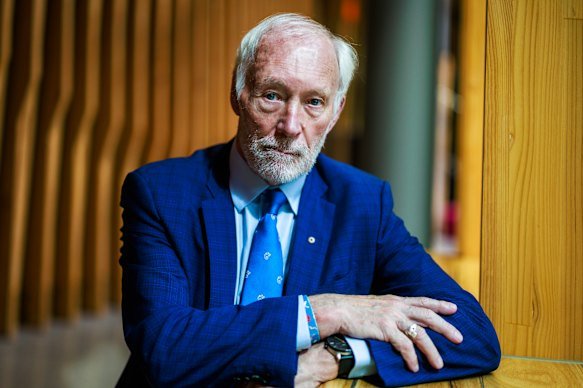
This included that an independent watchdog’s report being reworked before its release so it was less critical of the government’s progress; a damning assessment on reform by advocate Patrick McGorry and accusations of violence, drug use and an exodus of senior staff from the state’s flagship youth mental health service.
Parkville Youth Mental Health and Wellbeing Service (PYMHWS) chief executive Dr Leanne Geppert on Wednesday resigned a day after The Age revealed she had been leading the organisation under a fly-in, fly-out arrangement.
The service’s board chair, Cath Bowtell, announced Geppert was stepping down, thanking the Brisbane-based boss for her “extraordinary contribution”.
“This has been a difficult and deeply considered decision for Leanne,” Bowtell said.
“Having led PYMHWS through its establishment and first year of operations, she has been considering for some time when the right point would be to step away. Importantly to her, she wanted to see the organisation through a number of significant milestones.”
Frontline mental health workers across the state have also voiced their concerns at failed reforms promised by the royal commission.
A survey of more than 500 workers across 11 Victorian health services reported a deterioration in conditions for patients and staff as well as escalating violence and drug usage in secure psychiatric wards.
Two-thirds of mental health workers reported to the Health and Community Services Workers Union (HACSU) that they had been assaulted in the past year, with patients who are more acutely unwell on presentation contributing to the rise in aggression.
“I have witnessed colleagues be punched so hard they are concussed, strangled, scratched, have blood-borne virus-infected blood spat at them, facial bones fractured,” one worker said.
Another reported clients at their hospital were not being treated in appropriate timeframes, which meant their health deteriorated and the risk to staff increased.
“The consumers are not being actively treated and are being discharged too soon, often very unwell,” the mental health worker said.
“Most recently a client [who] had an admission was discharged to [the] community and remained unwell. She was readmitted one week later and remains in the intensive care unit. She was not actively treated and now her in-admission is much longer than it should have been.”
More than 48 per cent of survey respondents said they disagreed or strongly disagreed that their health services were better placed now than they were before the royal commission.
Less than 15 per cent of the workforce said they believed the mental health system had improved, while the remaining workers were neutral in their opinions about the impact of the reforms.
“In so many ways we have gone backward since the royal commission and nothing has actually changed,” a worker wrote. “In fact, access to mental health care has been worse.”
HACSU Victorian branch secretary Paul Healey said the survey responses painted a concerning picture of the reality facing mental health workers, consumers, carers and families across Victoria.
”We need to be clear that this is not about blaming people experiencing mental illness,” he said. “Mental health workers understand the complexity of mental health care and are committed to providing compassionate support.
“But a system that is under-resourced, overstretched and unable to provide the right care at the right time, built on the broken promises of a royal commission, increases risks.
“These workers have carried the system through enormous challenges. They deserve more than being told change is coming, change needs to happen now.”
In parliament on Wednesday, Mental Health Minister Ingrid Stitt said her government was proud of the support they’d provided the mental health workforce.
“We have increased the workforce by over 30 per cent in the mental health sector. We have increased the number of acute beds available across the system,” she said.
“We have delivered modern fit-for-purpose services across the state, including at the Thomas Embling Hospital and including at youth recovery and prevention centres in every region in the state.”
Start the day with a summary of the day’s most important and interesting stories, analysis and insights. Sign up for our Morning Edition newsletter.
From our partners
Read the full article here