





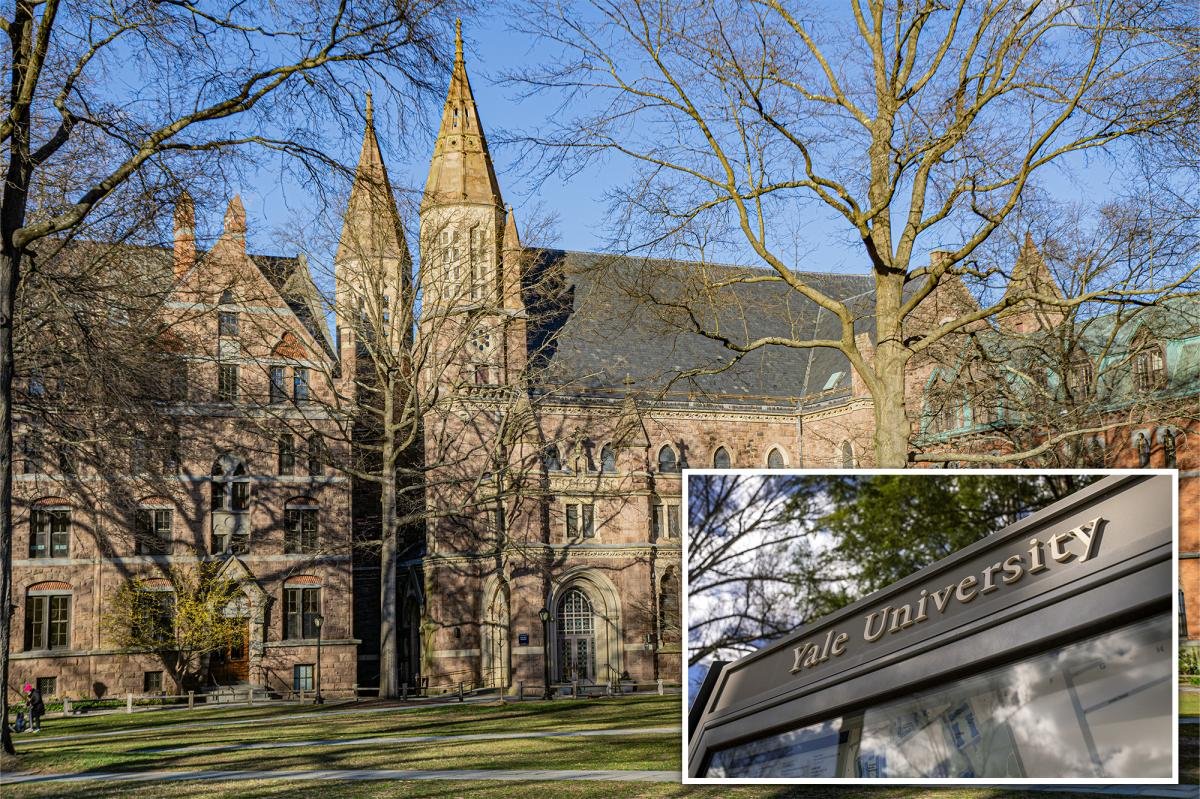
Skyrocketing college costs, shady admissions practices, and growing fears about free speech, political bias and curriculum have eroded public trust in higher education, a scathing Yale University report said.
A committee of 10 professors at the Ivy League school found that steep tuition prices, backroom admissions deals, and free speech tensions and crackdowns on campuses nationwide are among the reasons fueling growing doubts about the value of higher education.
“Trust is earned by doing what you say you’re going to do – and, ideally, doing it well,” the panel said in the Wednesday report, questioning if universities are living up to their “fundamental commitments.”
“In recent years, however, universities have been expected to be all things to people: selective but inclusive, affordable but luxurious, meritocratic but equitable. Rather than building public support, this diffusion of purpose has contributed to distrust.”
The Yale committee found growing doubts over whether a college degree is worth the money and sacrifice, citing a record-low 36% of Americans eager to receive a higher education in 2024.
Students and families are also questioning what’s being taught in the classroom, pointing to a partisan slant, self-censorship, patchy grading standards, new technologies, and bureaucratic bloat at colleges and universities, the blistering 58-page report said.
“Over the past decade, trust in higher education has declined faster than in other institutions and sectors,” the committee wrote.
“Whether or not a diploma has enduring value depends on what it signifies: personal effort, professional skill, intelligence, knowledge, expertise. If the public ceases to believe that colleges and universities are fostering such qualities, support for higher education will necessarily suffer.”
The panel laid out 20 recommendations for Yale and many other institutions to boost public trust, such as scaling back preferential admissions for varsity athletes, legacies, and children of faculty and donors.
The report said the “selective” and “tilted” admissions practices often benefit those “already advantaged.”
Other suggestions include establishing consistent grading standards, expanding financial aid, protecting free speech, sharpening the educational mission, and limiting laptops, phones and tablets in classrooms.
“This decline did not come out of nowhere, nor did it happen overnight,” Yale President Maurie McInnis, who created the Committee of Trust in Higher Education, said in a campus email on Wednesday.
“And we were certainly more than mere bystanders. We must acknowledge how we have fallen short. That means welcoming as comprehensive a panorama of perspectives as possible—even, and especially, those that may be critical—and facing such criticism with humility and curiosity.”
Read the full article here