





It was early evening in a group home in Melbourne’s inner west when a worker made a tragic mistake.
Alex Clack, 48, had asked for his medication just before dinner, as he had hundreds of times. The Salvation Army staff member handed it over, and Clack swallowed it.
Then the realisation set in. These were another resident’s drugs.
The worker alerted colleagues, who called the poisons information line, which referred them to the dispensing pharmacy.
The advice was to watch Clack for signs of drowsiness and call an ambulance if his condition changed.
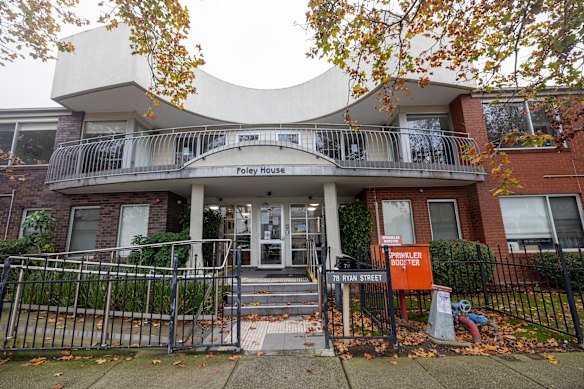
Within 40 minutes, workers saw a now-drowsy Clack in the dining room of Footscray’s Foley House, where he vomited and became unresponsive.
After another 15 minutes, Clack was on his back, and the pads of a defibrillator were on his chest. In under half an hour, he was in the back of an ambulance.
Eight days later, on December 12, 2024, he was dead.
The Clack family is still trying to piece together details of how a beloved son, brother and uncle died – including how such a mistake could occur and what role, if any, it played in Foley House’s quiet closure in June.
The coroner’s report into the death of Clack – described by his family as a gentle and compassionate soul who loved animals, travel and music – was just six pages.
A forensic pathologist found that the medication mix-up was not detected at levels associated with “unequivocal toxicity”, but the drugs can cause adverse effects, including seizures.
Clark was given 450 milligrams of the anti-psychotic clozapine, which has a usual starting dose of 12.5 milligrams, and 1 gram of metformin, a diabetes drug.
The significance of the medication error was unclear, the expert said, and it was not clear if or how it related to Clack’s cardiac arrest. His cause of death is listed as “following a medication administration error”.
Clack had lived with a range of medical conditions, including schizophrenia, diabetes, an acquired brain injury and acute renal failure.
Coroner David Ryan noted the Salvation Army had changed its policy since Clack’s death, and now requires two people to oversee the administration of medication, rather than one.
Despite there being no formal requirement for an inquest into Clack’s death, experts said the brevity of the findings was unreflective of the gravity of the incident.
“Normally, the reports of those investigations contain longer and more detailed accounts of the procedures and how they could be improved,” said Naomi Anderson, principal solicitor at Villamanta Disability Rights Legal Service.
One barrister experienced in coronial matters, who asked not to be named, fearing repercussions, said it was “exactly the kind of cases that the coronial system should properly investigate and air”.
“The coroner appeared to accept a human being’s entirely avoidable death as an oversight,” the barrister said.
Robinson Gill principal lawyer Jeremy King said it was “highly unusual” for an organisation not to be more involved in the coronial process when staff arguably caused a resident’s death. The Salvation Army did not request a copy of the coroner’s findings until two months after they were finalised.
The organisation did, however, share with the coroner a statement about what happened on that day in December 2024.
“You could draw an inference that the Salvation Army were not particularly interested in the case,” King said.
The Salvation Army did not respond to detailed questions about Clack’s case, including what further action the organisation took to prevent future deaths.
“The Salvation Army is unable to provide public comment at this time,” a spokeswoman said.
WorkSafe also looked into the circumstances surrounding Clack’s death, with a source aware of the investigation, but not permitted to speak publicly, saying that staff fatigue management had formed part of the inquiry.
A WorkSafe spokeswoman said: “WorkSafe inspectors made inquiries and determined not to take further action under the Occupational Health and Safety Act in relation to this matter.”
The NDIS Quality and Safeguards Commission confirmed it was examining Clack’s death, but was unable to reveal whether the Salvation Army had alerted it to the case.
The Salvation Army previously told this masthead it had placed Foley House under review in mid-2025 after absorbing financial losses from the program for a decade.
Two Salvation Army workers, who requested anonymity for fear of reprisals from their employer, have told this masthead Foley House was understaffed, and its workers were overworked in the lead-up to Clack’s death.
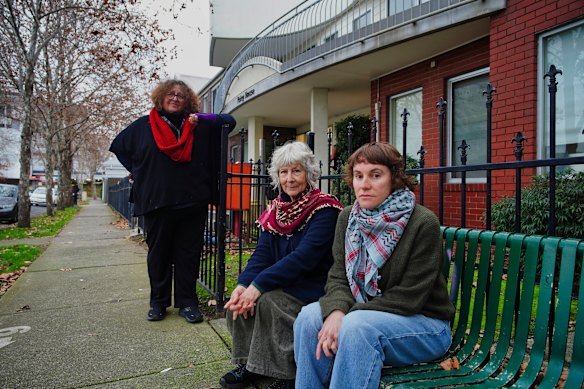
Footscray Community Response group spokesperson Shifrah Blustein, whose organisation has advocated against Foley House’s closure, noted the review came soon after the completion of the coronial process.
“It seems reasonable to ask whether scrutiny of the understaffing at Foley House directly led to a decision that staffing the facility properly would be too costly, thereby justifying the decision to close Foley House and turf out the residents,” Blustein said.
A group of men still live at the facility, while staff try to figure out where to relocate them following its formal closure.
GP and drugs expert Hester Wilson said medication errors were common, and there were lessons in Clack’s case for other services.

Ultimately, though, the coroner fulfilled his obligations to investigate the circumstances of his death – not to cast blame, she said.
Clack lived at Foley House for a decade. His family says they prefer to remember how he lived, rather than the details of his death.
In his younger years, he had great adventures in Indonesia and the UK. He liked listening to Metallica and Queen, and later in life, his favourite thing was having a laugh with his niece and nephew.
The Coroners Court declined to comment.
Start the day with a summary of the day’s most important and interesting stories, analysis and insights. Sign up for our Morning Edition newsletter.
Read the full article here