




The fire at the Geelong refinery, thankfully not as catastrophic as it might have been, raises the possibility of future pain at the petrol bowser and is a reminder of how political leaders have surrendered energy sovereign capability with few qualms, despite the inherent hazards.
We import 90 per cent of our liquid fuel, and Geelong is one of two refineries left in Australia after high operating costs and competition from large Asian refineries made the local industry economically unviable. It supplies more than 50 per cent of Victoria’s and 10 per cent of Australia’s fuel.
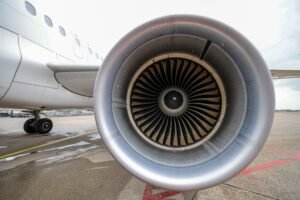
Viva Energy’s Geelong refinery was built and opened by Shell in 1954. Over the years there have been a series of fires, but none approached the magnitude of this blaze. It was extinguished on Thursday but has temporarily cut the refinery’s output of petrol, diesel and jet fuel down to “minimum rates”.
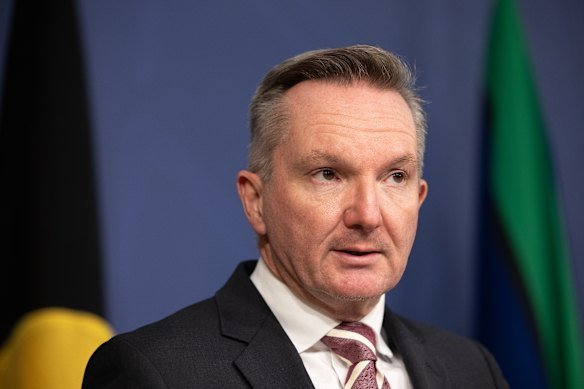
It could not have come at a worse time, with continuing shortages flowing from the Middle East war blockade leaving Australia with just 30 days of fuel under minimum stock obligations, according to Energy Minister Chris Bowen, although supplies have been secured for the next few months.
Meanwhile, the NSW government is considering ways to build resilience against oil supply and price shocks, including a diesel stockpile.
But unilateral action, uncertainty and confusion cannot hide a brutal truth.
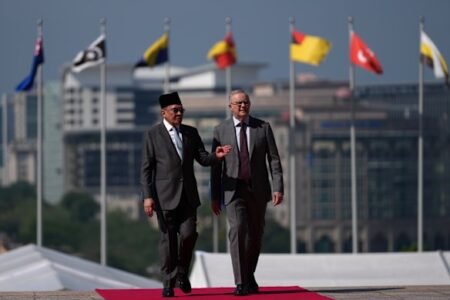
As Prime Minister Anthony Albanese tours South-East Asia in search of fuel security, the Geelong fire has made it blatantly obvious that Labor and Coalition federal governments have stayed asleep at the wheel for more than three decades on the issue of energy sovereign capability.
The Geelong fire is certainly a wake-up call, and the head of Australian research with Rystad Energy, Gero Farrugio, captured Australia’s problem: we are one of the most import-dependent nations in the world for refined fuel products, with some of the lowest strategic reserves of any developed economy.
It is a dilemma that incongruously sits beside Australia being one of the most resource-rich nations.
The nations with the strongest buffer against a fuel shock are not only those with strong reserves, but those that have diversified their energy supply and embraced electric vehicles.
Australia has led the world in deploying rooftop solar, but is a laggard in shifting towards EVs. That is changing, particularly as the energy crisis bites. Sales of EVs jumped 50 per cent in the month after the war began, and this week Climate Change and Energy Minister Chris Bowen noted that the electric fleet had already saved the nation 15 million litres of fuel.
In the weeks and months ahead the government will need to secure a stable supply of fuel to ensure we can run the economy; ration and deploy what supply we have most efficiently; and plan to rebuild a stockpile of liquid fuel sufficient to cushion us from future shocks.
But it would also be well advised to accelerate the electrification of all our road transport as part of a concrete and bipartisan plan to become energy independent.
Jordan Baker sends an exclusive newsletter to subscribers each week. Sign up to receive her Note from the Editor.


From our partners
Read the full article here