

Published on
Tilos, a small Greek island, used to bury its rubbish on a hillside. The landfill kept growing. Wind scattered plastic across the beaches below.
It’s a familiar problem for small islands. Residents and tourists produce waste, but shipping it elsewhere for recycling rarely makes economic sense. So most islands sacrifice a patch of scarce land and bury the problem. Out of sight, out of mind.
A few years ago, Tilos tried something different. Working with Greek circular economy company Polygreen and backed by the Region of South Aegean, the island removed its street bins entirely and replaced them with door-to-door collection. Every household and business received separate bags for recyclables and organic waste, each tagged with a QR code.
As a result, Tilos is now the world’s first island to hold the Zero Waste Cities Certification, with a recycling and composting rate of close to 90% – well above both the Greek national figure and the EU average.
How it works
All waste collected from the residents and businesses goes to the Centre of Circular Innovation, built on the old landfill site.
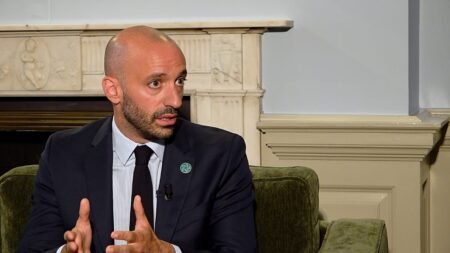
“This is an island that produces waste but buries nothing,” project manager Spyros Kastanakis told Euronews. “330 tonnes a year – 60% recyclable, 30% organic, and the remaining 10% goes as fuel to cement factories.”
Organic waste is composted into fertiliser and given free to local farmers. Non-recyclables are turned into alternative fuel. Everything else is sorted into 15 categories, compressed, and shipped to the mainland as economically valuable raw material. “This is no longer waste – it’s raw material,” says Tilos Secretary General Stathis Kontos. “Everything has a second life.”
The system only works if residents sort properly at home. Getting them there took effort. “First we went to the schools and convinced the children,” Mayor Maria Kamma told Euronews. “The children passed it on to their parents, and from there it spread.”
The Just Go Zero Tilos project is ready to grow. Regional authorities are planning to extend the model so that more small islands across Greece can stop burying their waste – and start dealing with it properly.
Read the full article here