



Growing up in Cheltenham, we used to complain to my parents that it was boring, no one had heard of it, there were no shops and nothing ever happened.
Little did we know that these things are what makes Cheltenham special.
You probably have not heard of Cheltenham. We like it this way! Nestled between Beecroft and Epping in the north-west of Sydney, 22 kilometres from the CBD, it is not a suburb that seeks attention. There are no glittering skylines, fashionable restaurant precincts or crowds of tourists. It rarely makes headlines, and perhaps that is its greatest strength.
A Sydney tailor, William Chorley, founded Cheltenham in 1890 and named it after his hometown in England. Chorley was the biggest landowner in the area and wanted to maintain the peace and quiet and so placed multiple covenants on land that he sold. Some covenants prevented pubs opening – even today the only place you can get a beer is at the Cheltenham Recreation Club. Even more covenants prevented commercial activity in the suburb, and as Chorley owned most of the land around the railway, Cheltenham Station today remains free of commercial development.
We used to joke that the only shop in Cheltenham was the canteen at Cheltenham Girls’ High School, which consistently ranks as one of the highest achieving comprehensive schools in NSW. Every day, hundreds of girls in their distinctive pink uniforms make the march from the station to the school.
Cheltenham represents something increasingly precious in modern Sydney – a suburb where nature still shapes daily life, where quiet streets remain genuinely quiet, and where the bush is not simply something viewed from a distance but an integral part of the community.
As Sydney grows, we should ask an important question: what should never be sacrificed?
Cheltenham provides one answer.
Bordered by magnificent bushland and the valleys of the Lane Cove National Park, Cheltenham offers something that cannot be recreated once it is lost. Towering eucalypts, sandstone gullies and native bush form an attractive backdrop. Federation homes, a welcoming recreation club and a very popular oval add to this suburban utopia. The only shop is the ticket office at the railway station. We even have two post boxes! These things create a living environment that shapes the suburb’s identity and the wellbeing of everyone fortunate enough to live here.

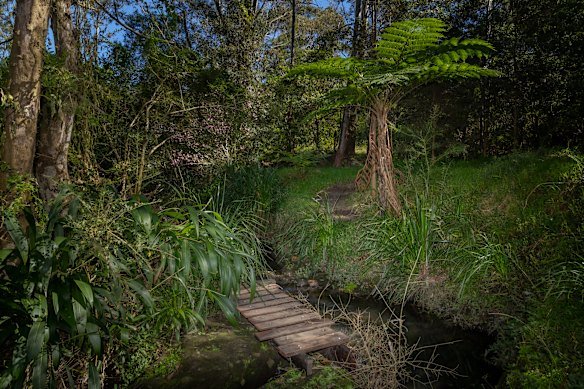
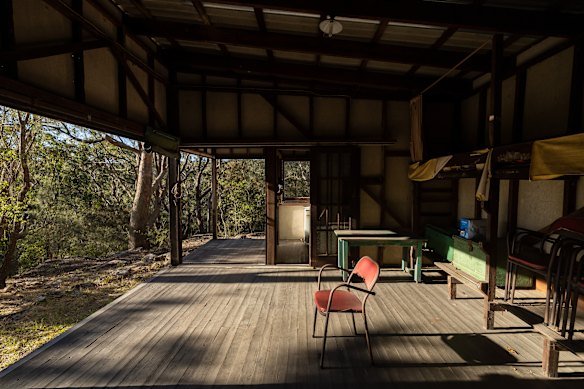
The benefits are obvious every morning.
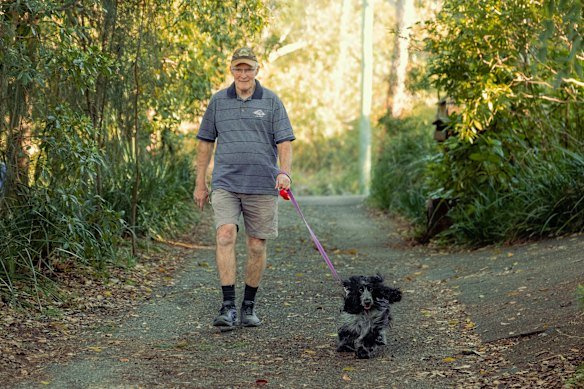
Residents wake not to the constant roar of traffic but to the calls of kookaburras, lorikeets and cockatoos. Bush tracks begin only minutes from front doors. Children grow up knowing the sounds of native birds rather than endless construction. Even an evening walk allows you to reconnect with nature rather than escape from congestion.

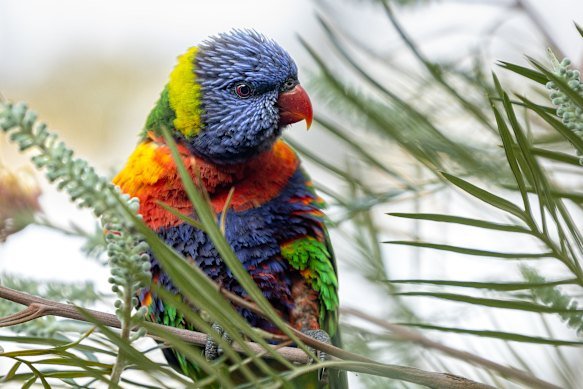
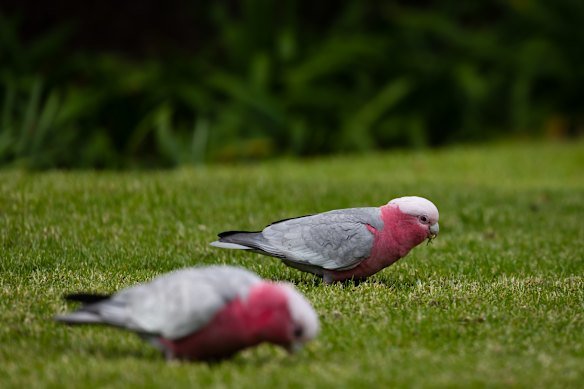
This isn’t simply sentimentality. Access to mature trees and bushland reduces stress, improves physical health, supports biodiversity and strengthens mental wellbeing. Green space is not a luxury reserved for national parks and weekend holidays. It is an essential ingredient of healthy communities.
There are, of course, negatives to our little suburb.
The cockatoos have advanced demolition skills and consider timber verandas and window frames to be little more than chew toys. Brush turkeys believe every carefully landscaped garden is a construction project requiring a large mound of leaves. And if you’ve ever wondered where all Sydney’s spiders retire after a long career, many seem to have chosen Cheltenham!
But the beauty of the abundant wildlife more than makes up for some minor inconveniences.
One of the most prized things about living in Cheltenham is the peace and quiet. While I complained about this in my youth, I now recognise this as a real asset. All over Sydney, everyday life is dominated by heavy traffic, construction, aircraft and constant activity. Genuine silence has become almost unfamiliar.
Cheltenham offers something different.
Its streets remain calm. Traffic is largely local. Mature gardens soften the landscape. Federation homes line many of the streets. The bush absorbs much of the surrounding noise. There is room to pause, to think and simply to enjoy being outdoors. That quality matters.
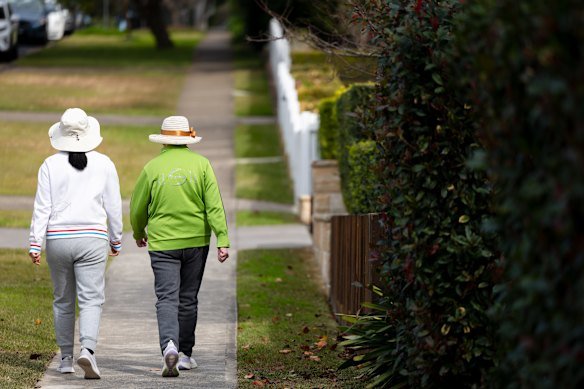
A peaceful neighbourhood like Cheltenham contributes to stronger communities. People walk more often. They know their neighbours. Children ride bicycles. Families spend time outdoors rather than behind closed doors. Growing up, we had wonderful neighbours who became lifelong friends. Community is built not only through organised events but through daily encounters made possible by a suburb that encourages people to slow down.

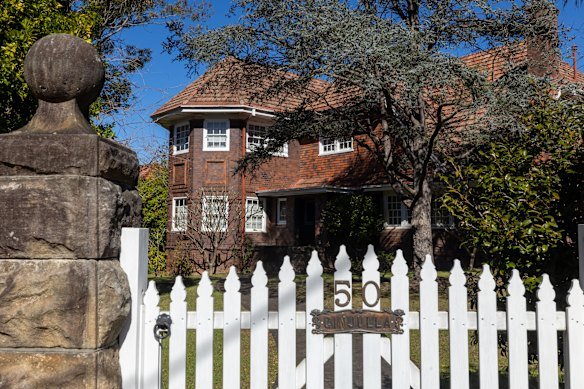
Perhaps this explains why so many families remain in Cheltenham for decades. Some who grew up there eventually return to raise their own children. Some never leave in the first place. That continuity creates a genuine sense of belonging.
Growth is inevitable. Cities evolve. Housing demand is real and must be addressed. But not every suburb should become denser simply because it can.
Places like Cheltenham perform an important role within the Sydney metropolitan region. They preserve mature tree canopies that help cool the city. They protect wildlife corridors connecting significant bushland. They provide environmental resilience during hot summers.
Once those qualities disappear, they cannot simply be replanted. A peaceful neighbourhood character built over generations can be lost surprisingly quickly.
Sydney’s future should not be measured solely by the number of apartments constructed. Success should also be measured by what we choose to preserve.
Thoughtful planning can accommodate growth while respecting the environmental and community values that make places unique. Protecting established bushland and heritage homes and preserving neighbourhood character are investments in the city’s future, not obstacles to it.
Cheltenham offers much to its residents. The opportunity to walk beneath gums after work. To hear birds instead of traffic. To let children explore bush tracks safely. To enjoy cool shade on a summer afternoon beneath trees planted generations ago. These experiences enrich life in ways that statistics rarely capture, and developers rarely comprehend, but residents deeply understand.
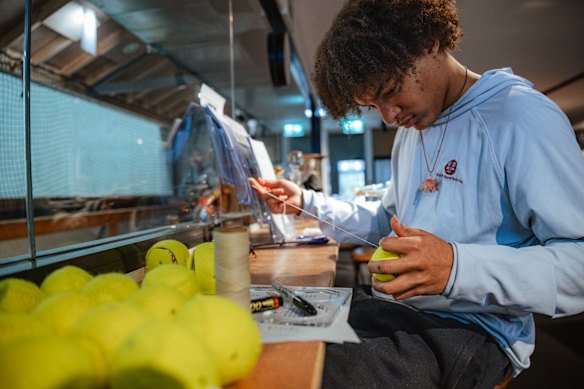
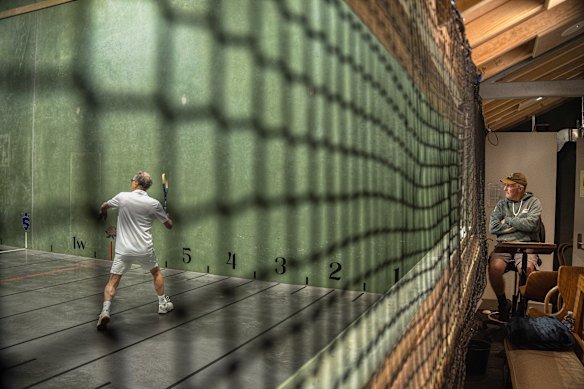
Cheltenham offers a quiet reminder that quality of life is about more than convenience. It is about connection – to nature, to neighbours and to place.
Sydney needs housing. It needs transport. It needs jobs and economic growth. But it also needs suburbs that remind us why so many people chose to build their lives here in the first place.
Cheltenham is one of those places.
Sometimes the greatest wealth a city possesses is the simple privilege of hearing birdsong through an open window, walking beneath ancient trees and ending the day in peace.
Cheltenham reminds us that those things still matter. And that is exactly why Cheltenham matters too.
Michael Thomas is an auctioneer, tour guide and long-term resident of Cheltenham.
Read the full article here