



 Markets
The Sydney Writers’ Festival prides itself on being “a barometer of the world around us” that “helps sustain Australia’s literary community and culture as a whole”. So why is it courting another controversy this year by doing business like an elite mafia, sparking accusations of restraint of trade and causing bestselling authors such as Michael Robotham to weigh in against its conduct?
Let me explain. Last year, the Sydney Writers’ Festival and the State Library of NSW jointly received $1.5 million from the NSW government to expand events beyond the usual week-long festival (this year, May 17-24) into year-round programming. The devil in the detail is that authors appearing at festival events with more than 50 attendees – even the satellite events throughout the year – are contractually barred from appearing at similar gatherings of readers in Sydney for four weeks before and two weeks after their SWF appearance.
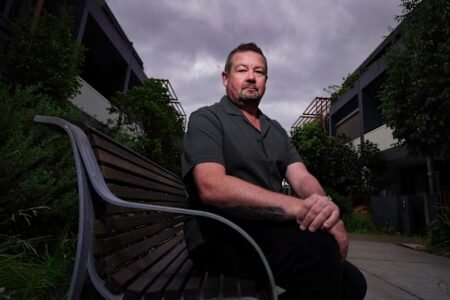
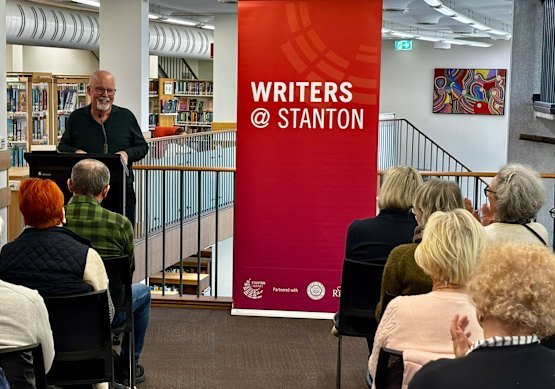
This non-compete clause is a disaster for independent bookshops like the one I work for, the Constant Reader. We offer Sydney’s longest-running author event program in conjunction with North Sydney’s Stanton Library, hosting about 50 authors a year with audiences of up to 130 people.
The gag order is also a disaster for authors. Certainly, Michael Robotham wasn’t happy when he found out. Reacting to a story I wrote for The North Shore Lorikeet last week, the bestselling Australian crime fiction author wrote on Instagram: “As a writer who appears regularly at bookshop and library events around Australia, I don’t believe in clauses that protect a single body and shut out other event organisers.”
That this internationally successful author recognises the need for various book events in each city – not just one with a major festival, no matter how much clout it has – is indicative of writers’ reliance on independent bookshops. Tim Ayliffe, a journalist turned thriller writer, called it a “dangerous precedent”. And high-profile author Julia Baird, a columnist for this masthead, commented: “It’s bonkers to try to prevent [indie bookshops] from hosting authors. It’s how we meet authors across the country, and the thoughtful booksellers placing our work in their hands.”
Thank you, Julia. As a bookseller, keen reader and arts critic, there’s not much I enjoy more than placing the right books in the right hands.
Jay Lansdown, owner of the Constant Reader, thinks the clause amounts to restraint of trade. He wrote to NSW Arts Minister John Graham last August suggesting that the state’s investment be contingent on the festival not requiring authors to sign exclusivity contracts.
Is the festival’s demand on authors even legal? Either way, the Sydney Writers’ Festival does not appear to be budging. Its rationale for upholding its exclusivity period, festival chief executive Brooke Webb says, “is to ensure these events are viable, well attended, and properly remunerated for authors”.
Yes, it pays authors for their appearances. And some exclusivity might be justified when the festival wears the cost of flying in international authors. But when it applies to all events and all authors drawing a crowd of more than 50 people, one wonders how the industry is meant to respond to such a barrier created by this “not for profit” cultural institution. Authors will hardly feel encouraged when they discover they’re expected to twiddle their thumbs for six weeks around their festival event because they’re barred from promoting their book elsewhere.
It’s telling that the festival views independent bookshops as competition rather than allies in a literary ecosystem. Mark Rubbo, chairman of Readings Books, calls it “disingenuous and self-serving … the best remuneration an author can get is via royalties from their book sales through booksellers who care”.
It’s a much grimmer scenario now that the non-compete clause applies to all the festival’s extra satellite events throughout the year – and we don’t know how many there will be. Perhaps the festival could grow its audience naturally if it used its state funding to cut the cost of a ticket (the $7.50 booking fee included) rather than encroaching year-round into booksellers’ terrain.
This sorry tale recalls an aphorism by Franz Kafka: “Leopards break in to the temple and drink all the sacrificial vessels dry; it keeps happening; in the end, it can be calculated in advance and is incorporated into the ritual.”
Acknowledging the leopards in the temple may be a boon for the Sydney Writers’ Festival. I’d cop a $7.50 booking fee just to hear authors musing about why controversy seems to have become part of the business model for writers’ fests. In the meantime, if the SWF is any sort of “barometer of the world”, it’s a broken one.
Melissa Mantle is a freelance journalist, bookseller and arts critic.
From our partners
Read the full article here