






 Markets

The bipartisan leaders of Congress’ Joint Economic Committee are sounding the alarm about tax season scams that fraudsters may look to use on unsuspecting taxpayers as filing season winds down.
Taxpayers have until Wednesday, April 15, to file their 2025 tax return or request an extension, and scammers may take advantage of the approaching deadline to take advantage of taxpayers.
Scammers have victimized roughly one in four Americans with tax season scams, which have become increasingly common, particularly amid the rise of artificial intelligence (AI) and software that enables deepfakes.
JEC’s scam alert notes several tips for taxpayers to keep in mind when confronted with a potential scam. It warns taxpayers to beware of IRS impostor scams, which can be initiated by phone calls or via emails or texts using spoofed caller ID or addresses while purporting to be the IRS.
AVERAGE TAX REFUND UP NEARLY 11% FROM A YEAR AGO, IRS DATA SHOWS
Taxpayers should be aware that the IRS almost always initiates outreach by mail and will never reach out on social media, as it only texts or emails in limited circumstances and doesn’t do so to demand immediate payment.
If they receive a suspicious message, taxpayers should refrain from scanning any QR codes or clicking on links as it could contain malware or refer them to a website designed to steal their information.
Outreach claiming to be from the IRS that is urgent or threatening, requests identifying information, or demands payment through nontraditional methods should be a red flag for taxpayers.
IRS REFUND TRACKER EXPLAINED: WHAT YOU NEED TO KNOW BEFORE THIS YEAR’S TAX FILING DEADLINE
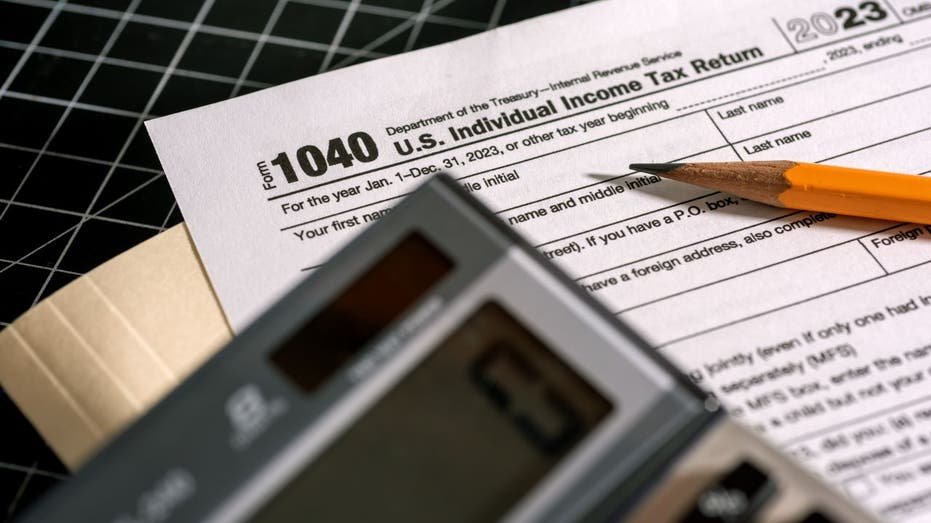
When the IRS reaches out, it won’t threaten to call law enforcement, demand the taxpayer’s driver’s license or business license, request immediate payment through gift cards, wire transfers or crypto, or direct the taxpayer to a non-IRS website.
Taxpayers can verify communications that purport to be from the IRS by reaching out to the agency directly by calling the IRS help line at 800-829-1040 or creating an IRS account online to access up-to-date information on their tax records.
If they’re concerned about a website they’re on, they should confirm it’s actually the IRS website and not a sham website, which can be detected through suspicious signs like subtle misspellings or extra letters or words in the website’s URL.
IRS WARNS AMERICANS TO BEWARE OF DANGEROUS NEW SCAMS THIS TAX SEASON
Third-party tax preparer scams are also something that taxpayers should be aware of when working with tax services or other non-IRS tax entities.
Taxpayers should be wary of tax preparers who demand high upfront fees or guarantee large refunds. They should also research unfamiliar companies through sites like the Better Business Bureau, or verify a preparer’s professionally required Preparer Tax Identification Number (PTIN) on the IRS website and avoid preparers who refuse to provide their PTIN.
Fraudsters may also seek to impersonate reputable tax preparation companies, so taxpayers should verify unexpected communications by calling the number on the company’s official website.
The scam alert was issued by the bicameral Joint Economic Committee, which includes leaders from both the House and Senate on both sides of the partisan aisle.
The panel is led by JEC Chairman Rep. David Schweikert, R-Ariz.; Ranking Member Sen. Maggie Hassan, D-N.H.,; Vice Chairman Sen. Eric Schmitt, R-Mo.; and Senior House Democrat Don Beyer of Virginia issued the warning to taxpayers on Thursday.
Read the full article here