

Parents of special-needs kids in Central Valley are pushing for California to pass a law that requires cameras in special education classrooms after their kids were allegedly abused by their teachers.
Online petitions in favor are gaining momentum in the state, drawing over 12,800 signatures in the Bakersfield City School District and more than 2,700 in the Visalia Unified School District.
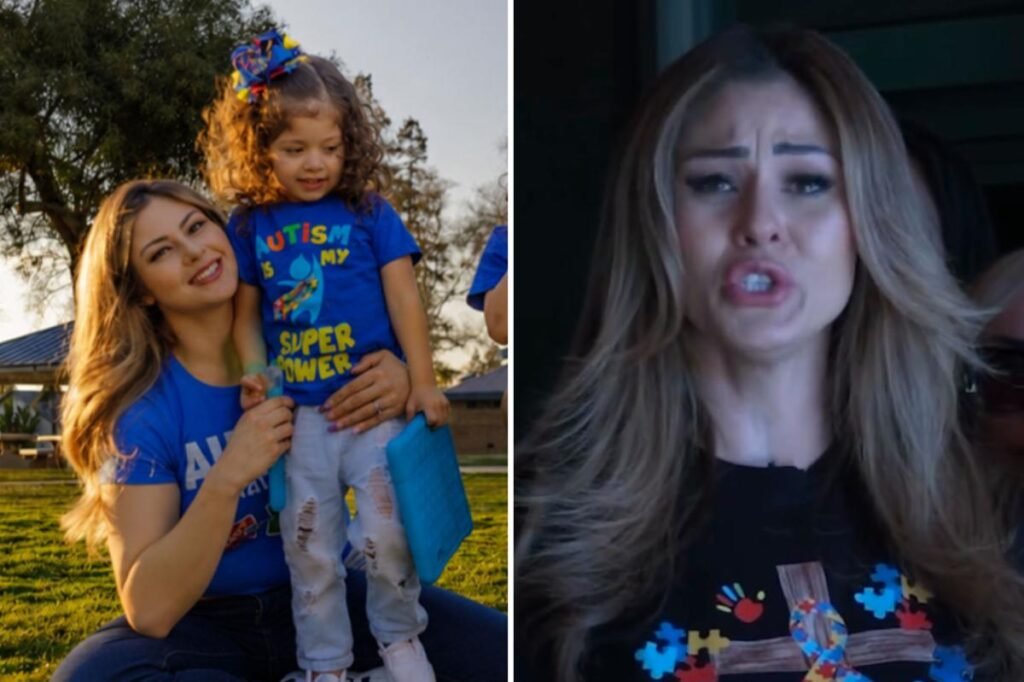
“I would never have assumed that was happening at the school,” Brittney Camacho, a mother of three, told EdSource.
Visalia police had contacted her in September 2025 with a chilling revelation that her children may have suffered physical abuse at the hands of their teacher.
Police investigated 34-year-old teacher Lacie Ann Horsting, the kindergarten teacher who taught Camacho’s three kids, after receiving child abuse reports stemming from the 2024–25 school year.
The Tulare County District Attorney’s Office filed 10 misdemeanor child abuse charges in April, but the case was dismissed after the one-year statute of limitations expired.
Camacho’s kids –– two girls who are now nine and a son who is seven –– were among the victims in complaints reported to police.
One of her daughters suffers from echolalia where she repeats words or phrases spoken by others and the other two kids are nonverbal.
“Cameras are so, so important because these children don’t have a voice. From our experience, putting a child’s safety in the hands of adults’ word of mouth has failed our children,” she told the news outlet.
Ashley Hopwood, the mother of non-verbal children with special needs, authored the online petition to get cameras in Bakersfield special education classrooms because her “children, like many others, are unable to communicate if they are experiencing distress, discomfort, or harm in their school environment.”
She said that parents are anxious thinking about what their kids might be going through in their absensce, especially when reports of abuse against children with special needs continue to circulate.
“Without proper monitoring, children who are already vulnerable due to their disabilities are at a heightened risk for neglect or abuse,” she said, adding that cameras can also serve as an educational tool to help educators develop teaching strategies tailored to each child’s needs.
A widespread requirement to install cameras in special education classrooms can only be enacted by the state Legislature as a 1976 California law prohibiting recording devices in classrooms without teacher and principal consent has been cited by the Bakersfield City School District as a potential obstacle.
The California Teachers Association (CTA) previously used this law to argue against mandatory live online instruction during remote learning, though CTA board member Angela Normand said the union has no official position on cameras in special education classrooms.
Read the full article here