



 Markets

Providing free public transport in NSW would punch a hole of up to $160 million a month in the state’s finances, amid growing pressure on the Minns government to ease hip-pocket pain from escalating fuel prices caused by the Iran war.
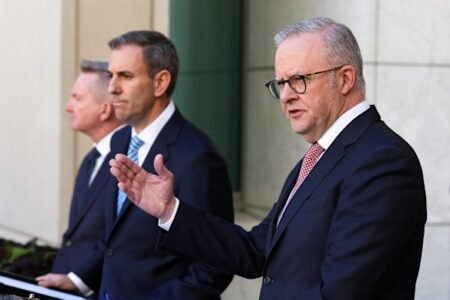
Despite Victoria and Tasmania offering free public transport, NSW Premier Chris Minns is resisting the push to follow suit, arguing cost-of-living measures need to be an “effective intervention” and make a material difference to fuel supplies.
“I want to make sure that we’ve got enough resources and money available to help NSW families if we’re in a prolonged situation,” he said. “There’s no such thing as free public transport. At the end of the day, someone’s paying for it.”
Figures from Transport for NSW show free fares for trains, buses, light rail and ferries would cost the state government between $140 million and $160 a month in forgone ticket revenue.
The latest data also shows 75 service stations in NSW had run out of all types of fuel on Monday, while 242 were without diesel, raising government concerns about access to the latter in regional areas ahead of the Easter long weekend.
With petrol prices in Sydney up by about 85¢ a litre since the Iran war started on February 28, Minns cited a 27 per cent reduction in car usage in the last week, which he said was helping to lower fuel demand in the state.
The government will have to decide within the next three months whether it will increase Opal fares as part of annual variations. Last July, ticket prices increased on average by 2.5 per cent.
Fares in NSW for trains, buses, trams and ferries are heavily subsidised by the government. A report in late 2024 by the state’s pricing regulator shows ticket prices cover less than a quarter of the cost of public transport.
Public transport fares are capped at $50 a week for adult passengers – unchanged over the past seven years – while it is $25 for concession cardholders and children. A $2.50 daily travel cap for seniors and pensioners has not changed since the Opal ticketing system was rolled out in 2012.
University of Sydney transport expert Geoffrey Clifton said free fares for weeks or months would result in people in rural and regional areas, who had been the hardest hit by higher fuel prices, subsidising those in wealthy parts of Sydney who had greater access to public transport.
“Wealthy Sydneysiders who are using public transport to get to and from the office are not exactly in need compared to people who are already doing it tough due to high fuel prices,” he said.
Clifton said ticket revenue forgone for a lengthy period would also reduce funding the government could spend on schools and hospitals, or on extending the public transport system.
He suggested a better measure would be a fare-free weekend as it would encourage those who typically did not use public transport to travel on it more regularly, while boosting the retail sector by enticing people to visit CBD areas.
The NSW Coalition has urged the government to institute free public transport over the Easter long weekend, while the Greens have called on it to match Tasmania’s three months of free fares. Victoria’s Labor government, which faces an election in November, is offering free public transport for a month, starting on Tuesday.
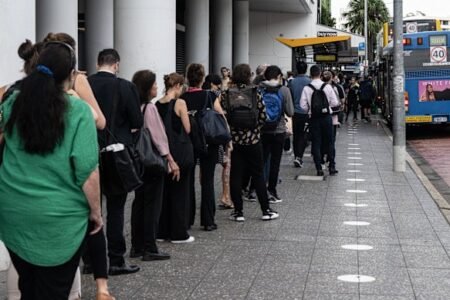
Passengers on several Sydney rail lines suffered delays to trains using the City Circle under the CBD on Monday morning after urgent repairs were required at Town Hall and Circular Quay.
Minns apologised to commuters for the delays, but said the government was tipping hundreds of millions of dollars into Sydney’s heavy rail network to improve reliability.
Start the day with a summary of the day’s most important and interesting stories, analysis and insights. Sign up for our Morning Edition newsletter.
 Matt O’Sullivan is transport and infrastructure editor at The Sydney Morning Herald.Connect via X or email.
From our partners
Read the full article here