





 Markets
Published on
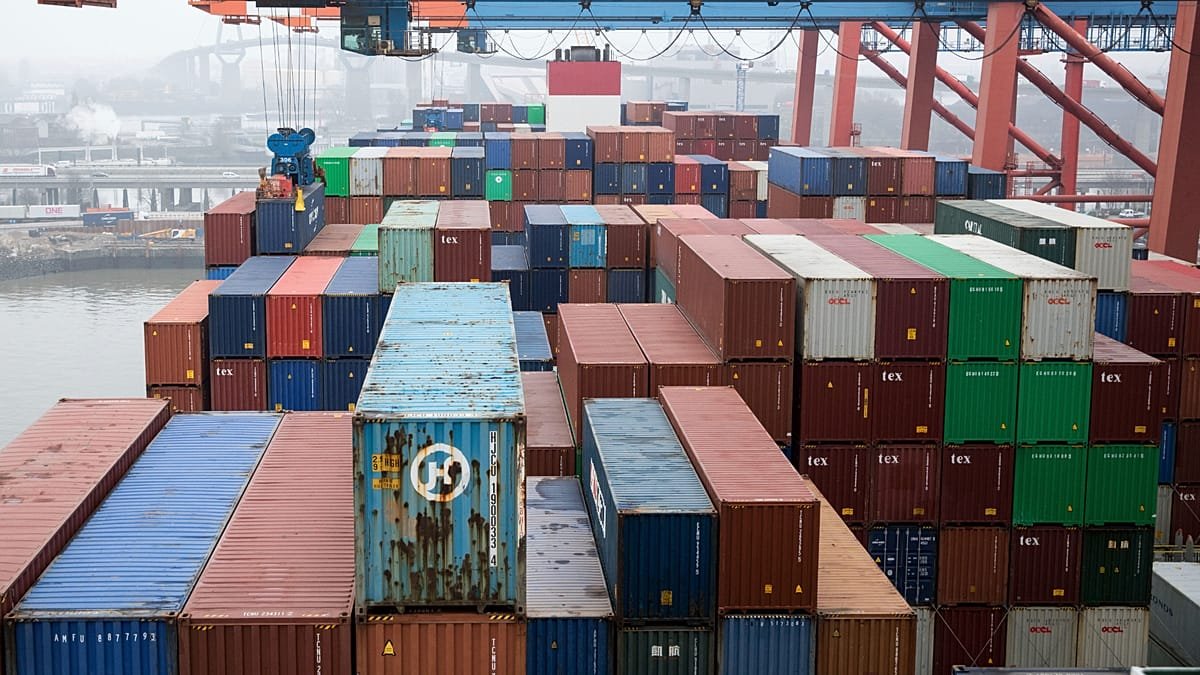
The EU approved a sweeping customs reform to handle growing trade volumes and streamline the application of its standards.
The agreement, which was reached on Thursday evening, introduces new tools to improve the collection of customs duties and increase controls on non-compliant or unsafe goods, without imposing excessive burdens for authorities and traders.
“Today’s agreement marks the greatest reform since the creation of the Customs Union in 1968”, Cypriot Finance Minister Makis Keravnos said in a statement following the adoption of the reform. “This modern toolbox will facilitate trade and ensure the proper collection of duties, in a simplified manner, and with the required legal certainty”, the minister added.
Customs management and trade have gained renewed urgency after trade volumes have sharply increased in the last years. Some €4.6 billion low-value items under €150 were imported to the EU in 2024, representing an average of 12 million parcels per day, according to European Commission data. That is a major increase from the €2.3 billion that entered in 2023 and €1.4 billion in 2022.
In addition, uncertainties over US tariffs, combined with new EU trade deals such as those with MERCOSUR and Australia, make this reform particularly timely.
EU customs data hub
The new rules foresee the creation of an EU customs data hub, which will be an online platform to facilitate the monitoring of trade flows without disrupting their smooth operation.
Businesses importing and exporting from the EU will only need to submit customs information on that single portal.
The hub, which will be operational for e-commerce from July 2028, will be managed by a new European Custom Authority, headquartered in Lille, France.
The Authority will oversee the EU customs by coordinating national offices and supporting them in the risk management. In particular, the Authority will analyse the import and export data to flag cargos that poses the highest risk for inspection.
The reform will also introduce simplified procedures for “trust and check traders” for transparent businesses that will not be subjected to active customs interventions.
For e-commerce operators that fail to comply with EU standards, it will be applied a new system of financial penalties.
The reform foresees a new EU handling fee for small parcels entering the EU starting November 2026, with the exact amount to be decided by the European Commission. From July to November, a temporary €3 tax will apply to all parcels under €150.
Read the full article here