



The Federal Reserve’s first interest rate hike in more than three years is likely to increase borrowing costs for many consumers, particularly those carrying variable-rate debt such as credit cards and home equity lines of credit.
Earlier this month, the Fed voted unanimously to raise its benchmark federal funds rate by 25 basis points, lifting its target range from 3.5%-3.75% to 3.75%-4%. The increase marked the central bank’s first rate hike since July 2023 after holding rates steady through its first five meetings of the year.
For consumers, the biggest impact will likely come through higher borrowing costs.
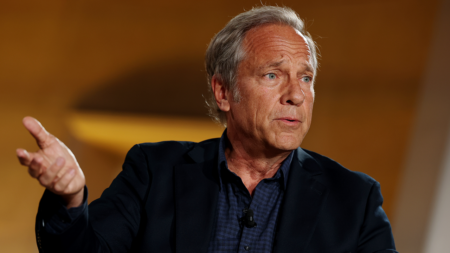
“Borrowing just got a little bit more expensive,” George Kamel, co-host of “The Ramsey Show,” told FOX Business. “… Think, your credit card — instead of 28%, it might be 28.25%. Your mortgage, if you go get a new mortgage today on a fixed rate, it might go from 6% to 6.25%.”
WHY THE FED ISN’T READY TO DECLARE VICTORY ON INFLATION
Kamel said the Fed’s decision primarily affects variable-rate debt, including credit cards, home equity lines of credit (HELOCs) and adjustable-rate mortgages once they reset.
Consumers with existing fixed-rate mortgages, auto loans and other fixed-rate debt generally will not see their monthly payments change.
For Americans carrying credit card balances, Kamel said the latest rate hike should serve as another reminder to make paying down high-interest debt a priority.
“Credit cards have some of the highest APRs of any kind of consumer debt, anywhere from 20% all the way up to 30%,” Kamel said. “… Cut up the cards, stop using the cards, don’t add anything more to the balance, and just aggressively try to knock down extra onto the principal until that thing is gone.”
FEDERAL RESERVE HIKES INTEREST RATES FOR FIRST TIME SINCE 2023 AMID STUBBORN INFLATION

Kamel said he recommends the “debt snowball” strategy, which involves paying off debts from the smallest balance to the largest while making minimum payments on all other accounts.
Mortgage rates are influenced more by Treasury yields and the bond market than by the federal funds rate, Kamel said.
Still, prospective homebuyers could see borrowing costs edge higher.
“It’s not going to be a life-changing amount, but it just makes it a little bit more difficult for those people who are trying to get their foot in the door of homeownership,” he said.
Savers, however, may see a modest benefit. Kamel said banks could gradually raise yields on high-yield savings accounts, allowing consumers to earn more on emergency funds and down payment savings.
WHAT WARSH’S JACKSON HOLE SPEECH SIGNALS ABOUT WHERE INTEREST RATES ARE HEADED

“There is a silver lining to the Fed funds rate hike, and that is high-yield savings accounts could get a boost,” he said.
Overall, Kamel said consumers should focus on paying down variable-rate debt and building savings rather than worrying about future Fed moves.
“The Fed is going to move rates up and down for the rest of your life,” he said. “Your job is to make sure it doesn’t matter when they do.”
FOX Business’ Eric Revell contributed to this report.
Read the full article here