





 Markets
Forget fashion week — the real trend forecasters are crunching numbers.
Scientists say your closet isn’t just a collection of clothes — it’s part of a predictable cycle.
And according to a new study, what you wore 20 years ago is likely heading straight back into style.
Researchers at Northwestern University analyzed roughly 37,000 images of women’s fashion dating all the way back to 1869 — and found that trends don’t just come and go, they boomerang.
Bell-bottoms, miniskirts, high waists, low waists — it’s all on a loop.
Fashion insiders have long whispered about the so-called “20-year rule,” but now, math nerds are backing it up with hard data.
“To our knowledge, this is the first time that someone developed such an extensive and precise database of fashion measures across more than a century,” said lead author Emma Zajdela. “We have some very interesting results, including that the cycle we uncovered in the data (20 years) matches industry knowledge.”
Historically, she said that “the lack of data posed a barrier to explicit quantitative study of this system.”
Translation: your mom’s old, frayed dresses aren’t outdated — they’re just early.
To crack the code, the team dug through decades of sewing patterns and runway looks, measuring everything from hemlines to necklines to waist placement — essentially turning fashion into numbers.
Then came the big insight: style is a constant tug-of-war between standing out and fitting in.
“Over time, this constant push to be different from the recent past causes styles to swing back and forth,” said co-author Daniel Abrams.
“The system intrinsically wants to oscillate, and we see those cycles in the data.”
In other words, once everyone’s wearing the same thing, it’s already on its way out (cough cough barrel and wide-leg jeans).
The data revealed a clear pattern: trends rise, crash and then resurface roughly every two decades — like clockwork.
Take hemlines. Over the past century, skirts have see-sawed from short and flirty in the 1920s to longer and more conservative in the 1950s, only to hike back up again with the miniskirt revolution of the late ’60s.
But don’t expect everyone to be wearing the same thing anymore.
The study found that since the 1980s, fashion has splintered — meaning instead of one dominant look, multiple trends coexist at once.
“In the past, there were two options — short dresses and long dresses,” Zajdela said.
“In more recent years, there are more options: really short dresses, floor-length dresses and midi dresses. There is an increase in variance over time and less conformity.”
So yes, your middle school wardrobe might be due for a comeback — but this time, it’ll have competition.
Because in 2026, fashion isn’t just cyclical — it’s chaos with a pattern.
And shoppers aren’t just following trends — they’re crunching numbers, too.
With apparel prices climbing across the board, stylish shoppers are ditching impulse buys in favor of a more strategic approach.
Enter the “cost per wear” craze: a budgeting hack where shoppers divide an item’s price by how often they’ll actually wear it — and only splurge if the math makes sense.
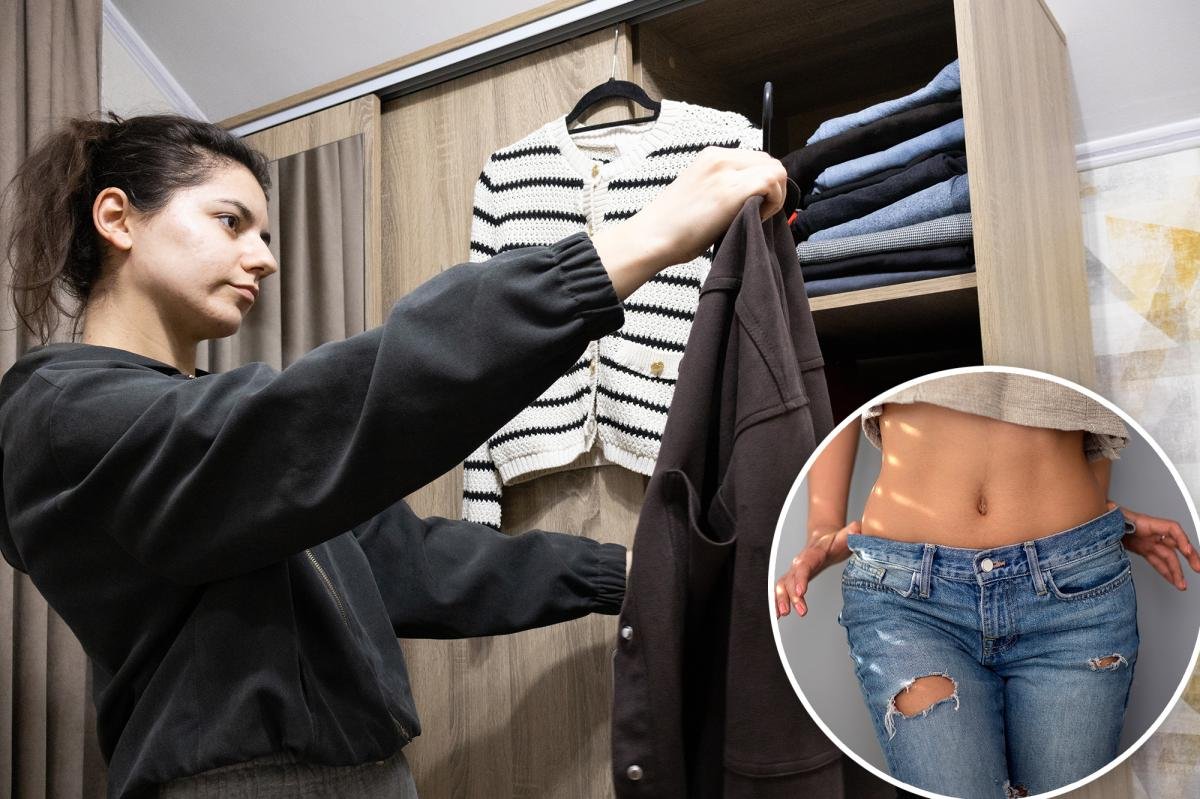
Armed with spreadsheets and closet selfies, savvy consumers are trading fast fashion for fewer, better pieces that stretch their dollar and declutter their wardrobes.
One content creator preaches fabric literacy: “Start looking at tags and understanding what fabrics you’re buying — it helps you assess whether the price is fair for what you’re actually getting. Knowledge is power when it comes to building a wardrobe that lasts.”
Of course, even the most budget-savvy shoppers still want a little fantasy.
Speaking of surprising sartorial throwbacks, NYC fashionistas are stepping straight into a royal time warp — strutting around in “Marie Antoinette” and “Bridgerton”-inspired heels like the sidewalk is Versailles.
Satin bows, pastel silks and blinding bling are topping off “Regencycore” heels.
Arabella Barros, creative director for John Fluevog Shoes, told The Post that 2026 shoppers are gravitating toward “round toes and more feminine silhouettes, ornate buckles and textiles.”
Other elements like “a delicate ribbon paired with a bold sole, or embroidery mixed with unexpected color” are also en vogue. “It’s that tension between softness and strength that feels very now,” she stressed.
So whether you’re crunching numbers or just chasing satin bows, one thing’s for sure: in 2026, fashion is equal parts math, memory, and a little bit of daydream.
Read the full article here