






 Markets
The way young shoppers find, judge and buy clothes is being rebuilt in real time. For many Gen Z shoppers, fashion discovery doesn’t start on a retailer’s search bar anymore. It starts on a phone, inside a video, next to a creator who is already wearing the thing.
Shoppable livestreams sit at the center of that shift. They fuse social discovery, entertainment and shopping into a single feed. The result feels less like ecommerce and more like a group hangout with a shopping cart attached.
How Gen Z Fashion Discovery Moved Onto Social Feeds
You don’t always have to type product names into a store search. You’re finding fits through creators, styling clips and reels. TikTok’s Fashion 2024 research highlights creators, styling inspiration and people actually wearing brands as central to the fashion-discovery journey. TikTok says creators build trust and awareness by showing products in real-life settings. Shoppers can see how a piece actually looks and how it can be styled.
Shoppable content takes that behavior one step further. Instead of spotting an outfit in a video and hunting for it later, viewers can move from inspiration to purchase inside the same screen. The see-it, save-it, dig-through-comments loop collapses into see it, shop it.
Kate Middleton Has Carried This Iconic French Tote Bag for 20+ Years — And This 2026 Version Is Just as Chic (Only $10!)
Live shopping gives viewers something to do beyond scrolling through product photos. You can watch items demonstrated as the show unfolds, drop reactions and see how a garment actually moves on a body.
McKinsey found that entertainment, or “fun,” is the top reason frequent live shoppers engage with the format. That finding applied to shoppers in the U.S. and Europe. Its research also points to strong interest in tutorials, expert or influencer Q&As, product reviews and new-product reveals. Successful live-commerce content, the researchers say, should be “fun and engaging rather than clinical or overly sales-oriented.”
Those formats map neatly onto fashion. Viewers can watch clothes being presented and styled rather than judging them from static product images, which turns the stream into content people actually want to watch and a storefront they can shop at the same time.
A livestream isn’t a passive video. Viewers type into the chat, ask sizing questions and watch other shoppers react while the products are still on screen. That makes the format behave more like an event or a group gathering than a solitary trip to a checkout page.
TikTok Shop describes LIVE shopping as creators and sellers demonstrating products, answering questions in real time and creating an experience that can feel like “shopping with a friend.” For fashion buyers, that means seeing an item worn, hearing how it fits and watching a crowd of strangers weigh in before deciding whether to tap buy. It supplies something traditional online shopping largely lacks, which is the sense that other people are shopping alongside you.
What Shanghai Fashion Week Showed About Shoppable Events
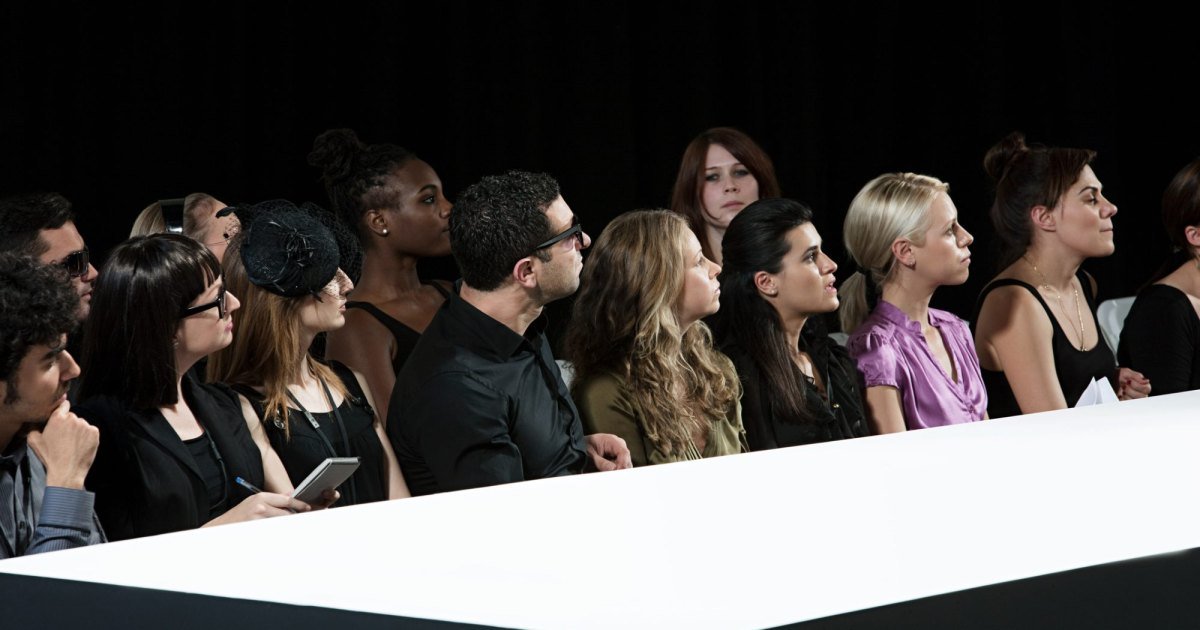
Livestreams have also cracked open events that used to belong to a tiny front row. When Shanghai Fashion Week went fully digital, the South China Morning Post reported that its entire lineup streamed through Alibaba’s Taobao Live.
The shows were opened up to buyers, media and the general public, turning an industry event into something ordinary consumers could experience from home. Viewers could comment on shows in real time and buy items online while watching, folding interaction, entertainment and commerce into one experience. Instead of only watching a runway, they could shop what caught their eye as it walked past.
That’s the template shaping the next wave of Gen Z Fashion. Social feeds get shoppers interested, entertainment holds their attention, community makes the experience interactive and shoppable livestreams let inspiration turn into a purchase without breaking the flow.
Read the full article here