




Desperately in need of care rather than further hardship, too many homeless, disturbed and sometimes dangerous people are being swept up by the criminal justice system – and in Sydney, magistrates are being forced to pass the buck to the hospital system.
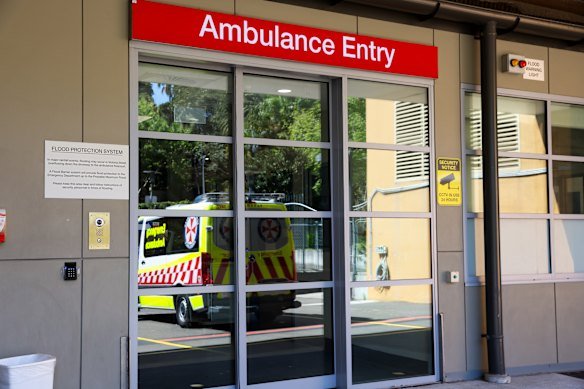
It has become so bad recently that a clinical director at St Vincent’s Hospital has even asked a bail court to stop sending people accused of crimes to the hospital’s overwhelmed emergency department.
The Herald’s health editor, Kate Aubusson, reports exclusively that Downing Centre Local Court was informed on Monday that the hospital ED was choked with 17 people deemed by magistrates to be mentally ill or disordered. They included 15 patients awaiting admission to full mental health units and two patients who had already spent 10 days in the ED.
Under Section 19b of the Mental Health and Cognitive Impairment Forensic Provisions Act, magistrates can send people who may be mentally ill or impaired to public hospitals, where they are detained and undergo psychiatric assessment. Data from the Bureau of Crime Statistics and Research show the number of people dismissed by NSW lower courts due to being mentally ill or disordered rose from 435 to 561 between 2021 and 2025.
The law became a focal point for security and resourcing concerns in NSW’s mental health system in February, after two men under the orders at Cumberland Hospital allegedly killed three people in separate incidents weeks apart.
This is not how it was meant to be when, in 1983, the Richmond report recommended closing NSW’s large mental health institutions. The mentally ill were to live in small communities or with their families and, crucially, were to be well-supported by psychiatric and other services.
However, the appropriate community network did not materialise. The mentally ill were liberated from psychiatric institutions to an uncertain fate. In NSW, only the very ill are allowed to stay in psychiatric beds in public health facilities.
Otherwise, psychiatric patients are medicated and quickly discharged. Some are cared for by overburdened families and friends or find refuge in hostels. Otherwise, for many it is the streets. And they often lead to jail.
Meanwhile, the mental health system has continued to buckle. One-third of the state’s public psychiatry positions were vacant last year when more than 200 NSW public psychiatrists tendered their resignations in January protesting working conditions and low pay.
Mental Health Minister Rose Jackson said the Minns government acknowledged pressures on emergency departments and the mental health system, adding the mental health budget had been increased by more than 20 per cent. “Much of this funding has gone to improving community-based mental health care, which has been identified as the area of greatest need,” Jackson told our reporter.
The St Vincent’s Hospital ED crisis is further evidence our mental health system is neither working nor fit for purpose. The government could prioritise investment in long-term residential clinical and rehabilitation services rather than allow the health and judicial systems to pick up the pieces of bad policy.
Start the day with a summary of the day’s most important and interesting stories, analysis and insights. Sign up for our Morning Edition newsletter.
From our partners
Read the full article here