






 Markets
  Weather
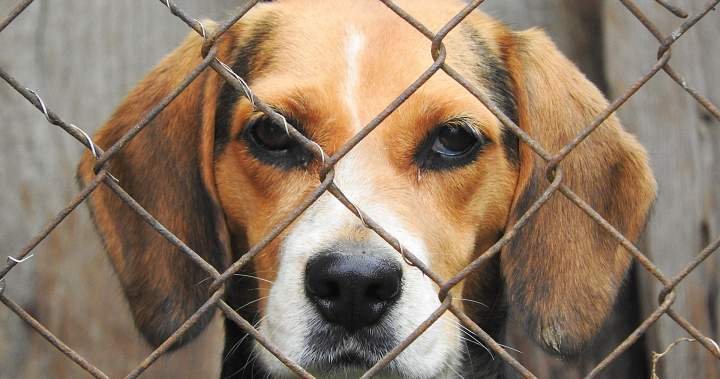
A review into controversial dog testing at a London, Ont., hospital that irked Premier Doug Ford found it was ethical with no evidence of “secrecy.”
The results of the review, conducted by an independent third party, were released Thursday by St. Joseph’s Health Care London, which announced in August it would stop using dogs in medical research after public backlash.
The move came days after a report alleged researchers inside St. Joseph’s Hospital’s Lawson Research Institute were secretly using and killing puppies for human heart research.
Two whistleblowers came forward to Animal Justice earlier this year with concerns about the dogs; the animal rights organization then put the staffers in touch with the University of Toronto’s Investigative Journalism Bureau.
The report prompted public outcry over the use and treatment of the dogs, leading the hospital to defend its actions, writing in a statement that all of their research “adheres to the highest standards of, and is in compliance with, all scientific and ethics protocols.”
Ford was among those who lashed out; he called the situation “cruel” and later announced Ontario would ban research testing on dogs and cats.

Get weekly health news
Receive the latest medical news and health information delivered to you every Sunday.
St. Joseph’s said Thursday while it was confident it followed all regulations and ethical standards, it ordered an independent third-party review of animal research at Lawson.
The hospital said the review found Lawson met all regulatory, ethical and professional standards in animal research.
“There was no evidence of intentional secrecy, concealment or avoidance of oversight. The research is reported in peer-reviewed publications, grant disclosures and academic presentations — all available to the public,” the hospital said in a news release.
“No other animal or non-animal model could have been used to achieve the translational outcomes the researchers were trying to achieve.”
Though the review affirmed the historical use of dogs in advanced cardiac imaging research, a hospital spokesperson told Global News there are no plans to resume the research at this time.
The review did identify gaps in institutional governance, alignment and communication between the hospital, Lawson Research Institute and Western University.
It stated those gaps centred around transparency, public communication and the process by which the decision to halt the research was made and implemented.
“The panel concluded that while the animal care and scientific practices met or exceeded required standards, there were deficiencies in clarity of roles, institutional approval processes, and coordinated communication,” the report stated.
The review recommended improved communication between St. Joseph’s, Lawson, Western University and Western’s Animal Care Committee, and updated shared agreements and policies.
“We are developing an action plan to address all recommendations and are working with our partners on next steps,” the hospital said.
“Animal research remains an important part of medical discovery. The life-saving imaging approaches developed at Lawson are now (the) standard of care worldwide for people suffering from heart disease and heart attacks. We are immensely proud of the work our researchers conduct every day to save and improve lives.”
— With files from The Canadian Press
Read the full article here