Markets





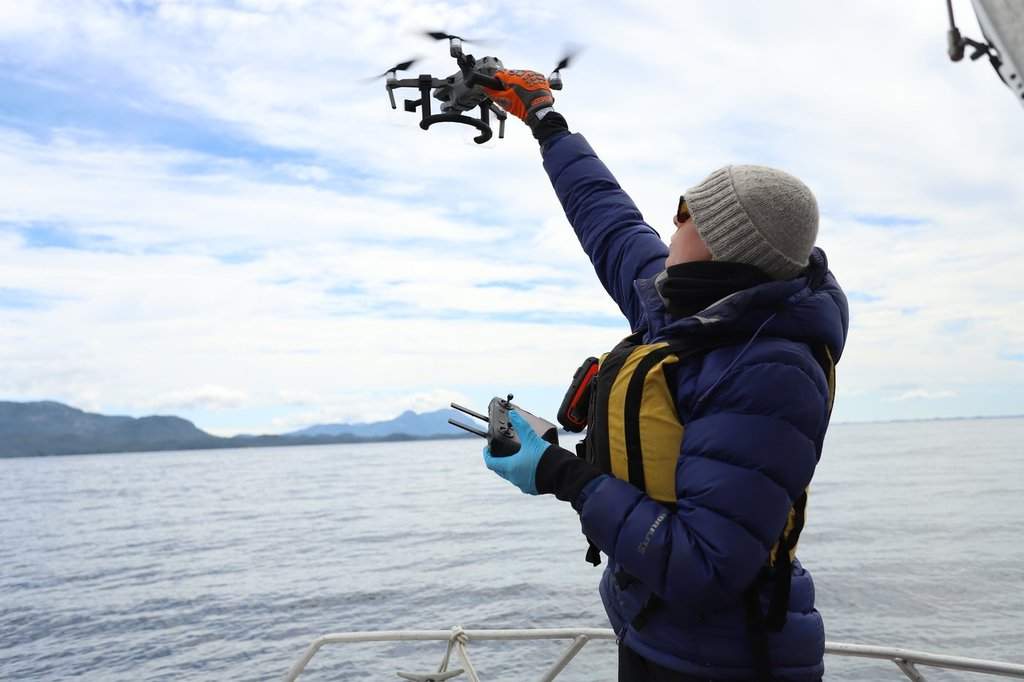
Researchers studying humpback whales off the coast of British Columbia used drones to collect “whale snot,” allowing scientists to conduct a complete genome sequencing without darts, biopsies or approaching closely with a boat.
Eadin O’Mahony, lead researcher in the study published in the scientific journal Molecular Ecology Resources this week, said her team spent 2022 and 2023 collecting the samples.
“It was (about) getting the whole genome, but it was getting a whole genome in a non-invasive way,” she said of the project.
Genomic data is an important tool for conservation, she said, letting researchers measure population health, including…
Read the full article at GLOBALNEWS.CA