






 Markets
  Weather
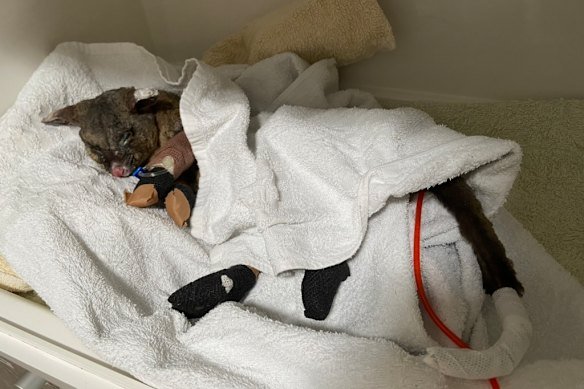
IIt’s the start of summer – December 1 on the dot – and one of the biggest bushfires of this year’s season is raging through the Mid West town of Geraldton.
The flames managed to destroy 160 hectares of land before they were doused.
It was a bad omen to start the season, but the months that have followed have, overall, been milder than previous summers.
That hasn’t stopped authorities from remaining on high alert – including the state’s wildlife veterinarians.
And a fresh push to bolster the ranks of the specialist vets will go a long way to managing the fallout from blazes like one that hit Geraldton.
WA Wildlife manager Dr Meg Rodgers says the bushfire season is their busiest time of year – regardless of how severe the fires – with staff managing fire-affected animals while juggling the regular flow of injured, orphaned and diseased wildlife.
“Bushfire season is different because it overlays emergency trauma onto an already high-demand period,” she said.
“Instead of managing a steady flow of individual cases, we may suddenly receive multiple severely injured animals from the same event – burns, smoke inhalation, dehydration – while still dealing with the usual workload.
“That combination makes it more intense, more acute and often more emotionally demanding than other times of the year.”
The worst bushfire Rodgers can recall is the 2016 Waroona–Yarloop fire and, more recently, the 2021 bushfire in Wooroloo.
Both had a devastating impact on wildlife, Rogers said. They are disasters she will never forget.
“It is clinically demanding, logistically intense and emotionally taxing,” she said.
“Our teams were deployed to affected areas for more than a week, assisting with wildlife search and rescue, field assessments, humane euthanasia where required and the treatment and stabilisation of injured animals.
“Large bushfires like these have both immediate and long-term consequences for wildlife, not only through direct injury but also through habitat loss, displacement and increased vulnerability in the months that follow.”
Animals that are slow-moving and ground-dwelling are particularly vulnerable, Rodgers said.
“Species that live within leaf litter or low vegetation such as shingleback skinks are at high risk because they can’t outrun a fast-moving fire front.
“We also commonly see burn injuries in arboreal marsupials like possums, which may take refuge in trees but still sustain burns to their ears, faces and feet.
“Kangaroos and wallabies are often injured while fleeing across hot, smouldering ground, leading to severe burns on the pads of their feet.”
It’s not only the animals that struggle, with veterinarians experiencing mental health challenges after witnessing animals’ suffering.
“There is often a significant amount of suffering and death, and despite our best efforts many animals are too severely injured to survive and require humane euthanasia,” Rodgers said.
“Making those decisions repeatedly, particularly in the field, takes an emotional toll. Burn injuries are profoundly painful and confronting to treat.
“Veterinary teams are working not only to stabilise animals but also to manage pain, assess prognosis and balance compassion with realism.
“The emotional strain doesn’t end when the flames are extinguished. The wildlife rehabilitation community continues to undertake fauna recovery assessments and ‘black walks’ for weeks or months after a fire, identifying injured or compromised animals.
“Sustained exposure to trauma, difficult decision-making and high workloads can contribute to compassion fatigue and burnout.”
There has been a push to get more veterinarians trained in wildlife treatment and care to help ease the caseload, particularly during bushfire season.
Across 2025, not-for-profit International Fund for Animal Welfare, partnering with WA Wildlife, provided a fully subsidised mentorship program to achieve that goal.
The program has resulted in 86 new veterinarians and vet nurses trained in emergency wildlife medicine, to assist in disasters such as bushfires, floods, and oil spills.
Animal rescue program officer Robert Leach said there was a nationwide shortage of veterinary professionals with wildlife expertise.
“Western Australia faces this challenge acutely. Its vast geography and scattered urban centres make access to wildlife veterinary care even more difficult,” he said.
“Through this mentorship program, we’re helping build a network of wildlife-capable veterinary professionals across WA.”
Rodgers said programs like the one provided through IFAW were essential.
“It dramatically increases our on-the-ground capacity during large-scale bushfire events, where rapid assessment, triage and treatment are critical,” she said.
“Response is no longer dependent on a small number of experienced wildlife vets.”
Rodgers also called on state and federal governments to consider funding wildlife care during disasters.
“Bushfire response and recovery is resource-intensive … and the impact can extend for months after the fire front has passed,” she said.
“Public support remains crucial, and we would welcome more consistent and sustained government investment in wildlife rescue, treatment and rehabilitation.
“By continuing to strengthen partnerships between charities, veterinary professionals, volunteers, community members and government, we can build a more prepared and resilient system that delivers better outcomes for wildlife into the future.”
Start the day with a summary of the day’s most important and interesting stories, analysis and insights. Sign up for our Morning Edition newsletter.
Read the full article here