





 Markets
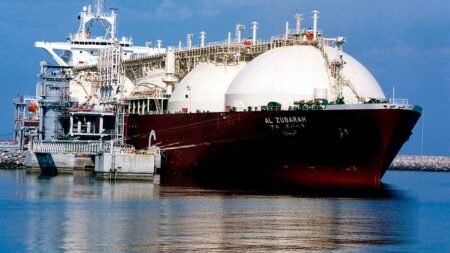
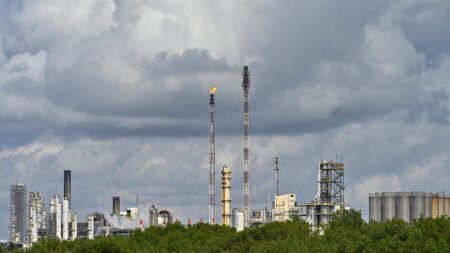
With the US–Israeli war in Iran now entering its third week, Europe finds itself stuck on the sidelines. From the need to protect ships carrying crucial crude oil and liquified natural gas from Iranian strikes, to staying out of a war initiated that is already spilling over into the wider region, with attacks on critical infrastructure in Qatar, Kuwait, the UAE and Saudi Arabia, determining a course of action has been difficult.
It follows last week’s European Council Summit, which saw leaders call for de-escalation in the region, protection of civilians and infrastructure, as well as increased efforts and maritime defensive operations to protect EU interests.
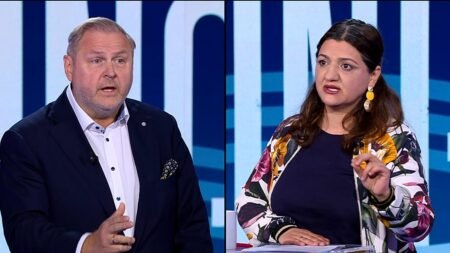
Terras, an Estonian MEP from the centre-right European People’s Party, said of the US-Israeli strikes that “something needed to be done, all the efforts of diplomacy did not work, but I am not sure the way it was launched was the right way.”
The former general however, felt that the US and Israel went into the war without an “end state” of what the conclusion to the conflict would look like.
Demirel, a German MEP from the European Parliament’s far-left group The Left, is firmly against the war, saying, “We know from history that military means and military interventions never brought democracy to this region, so I want this war to stop.”
The region has seen significant conflict in the last century, including the more recent wars in Afghanistan (2001-2021), Iraq (2003-2011), Libya (2011) and foreign interference within Iran itself before the Islamic revolution in 1979 by the British and the Americans.
Demirel revealed that her family has Kurdish roots, with up to 12 million Iranians of Kurdish origin, and is therefore no fan of the Islamic Republic regime, believes the EU should focus on “supporting the people of Iran to get a better future”.
Terras, meanwhile, maintains it would not be possible to engage in dialogue without military means, stating that they “are necessary” because “nobody listens” to those without. “I don’t believe with Adolf Hitler we would have been able to have discussed regime change.”
Demirel, a German herself, did not appreciate the comparison with Adolf Hitler, explaining, “Adolf Hitler attacked a lot of countries, he started a lot of wars, this is not the case with Iran. Iran didn’t attack anybody.” She argued instead that this was a war about “Israel getting a bigger Israel and the US controlling important resources and trade routes”.
When comparing why the EU’s response to Ukraine is much stronger than with Iran, Terras said that it’s because “Ukraine is in Europe and that is where we have the biggest concern and the biggest threat. And I think this war in Iran takes a focus away.” One European leader who has stood out amid this crisis has been Spanish Prime Minister Pedro Sánchez, who was the first major EU leader to criticise the attack and has since called the war “illegal”. Trump subsequently threatened to cut all trade with Spain in response.
Since then, many European leaders have stepped back from their initial tepid support for the US-Israeli strikes and are considering refusing US forces from using their European-based sites to carry out further strikes, such as Spain has. A decision Özlem Demirel welcomed, saying that Spain “has shown us how it could work”.
On whether the EU can end the war, Terras doesn’t think “Europe has today the instruments because we are not strong enough to sit at the table.” Many EU countries have ramped up their defence spending to match or exceed the previous NATO target of 2% GDP defence spending and agreed a new target of 5% annually by 2035 at last year’s NATO Summit.
Demirel disagreed, stating, “The European Union is one of the biggest economic powers of the world, and also the European member states have a lot of military instruments, and we are spending a lot of money for military means.”
However, she believes the focus should be on the impact on civilians, “People are dying, the working class all over the world is paying the bill for it, and this is not acceptable. This is why I’m rejecting these military means.”
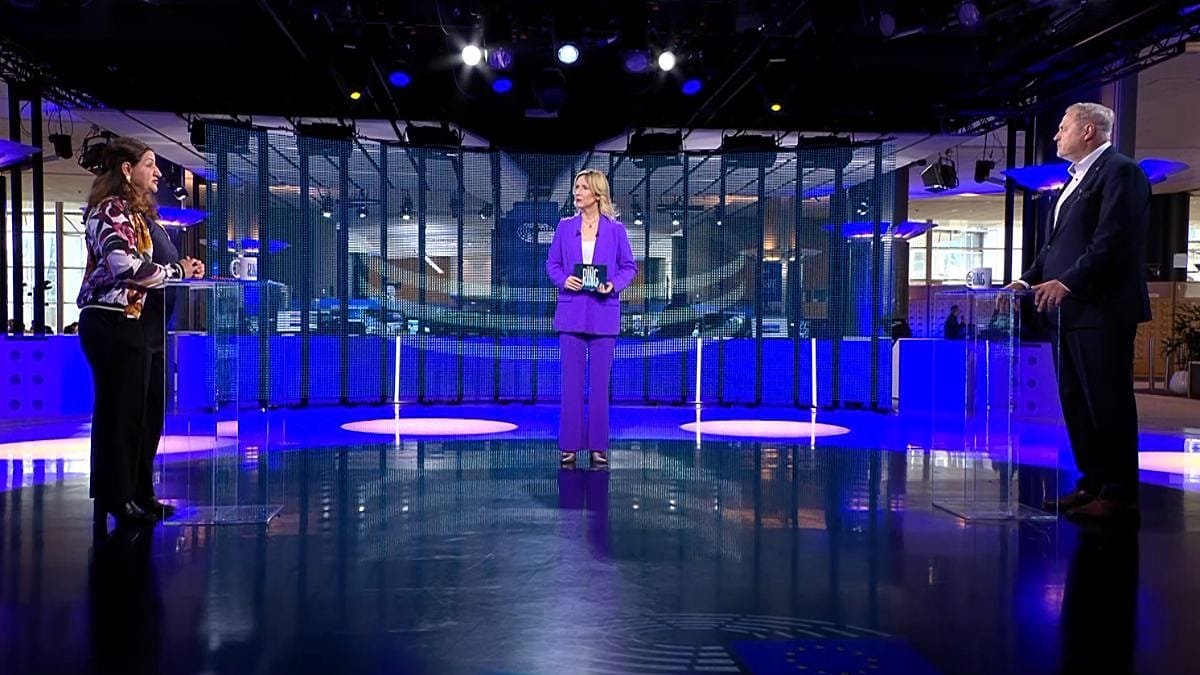
This episode of The Ring is anchored by Méabh Mc Mahon, produced by Luis Albertos and Amaia Echevarria, and edited by Vassilis Glynos.
Watch The Ring on Euronews TV on Wednesdays at 20.30 CET.
Read the full article here