





 Markets
  Weather
VD for Valentine’s Day?
In case you needed a reason to stay celibate this weekend, there’s a sexually transmitted fungus making the rounds and leaving its mark.
Experts say the public should be aware of the nation’s “largest known outbreak” of Trichophyton mentagrophytes genotype VII.
Known as TMVII, the nasty business is the only known fungal-based sexually transmitted infection.
Cases of TMVII have been on the rise in Europe for the past several years, especially among men who have sex with men.
In 2024, an NYC man became the first reported US case of TMVII, and it seems the icky itch has now made its way to the Midwest.
Since the STI was detected in Minnesota in July 2025, the state has reported 13 confirmed and 27 suspected cases of TMVII.
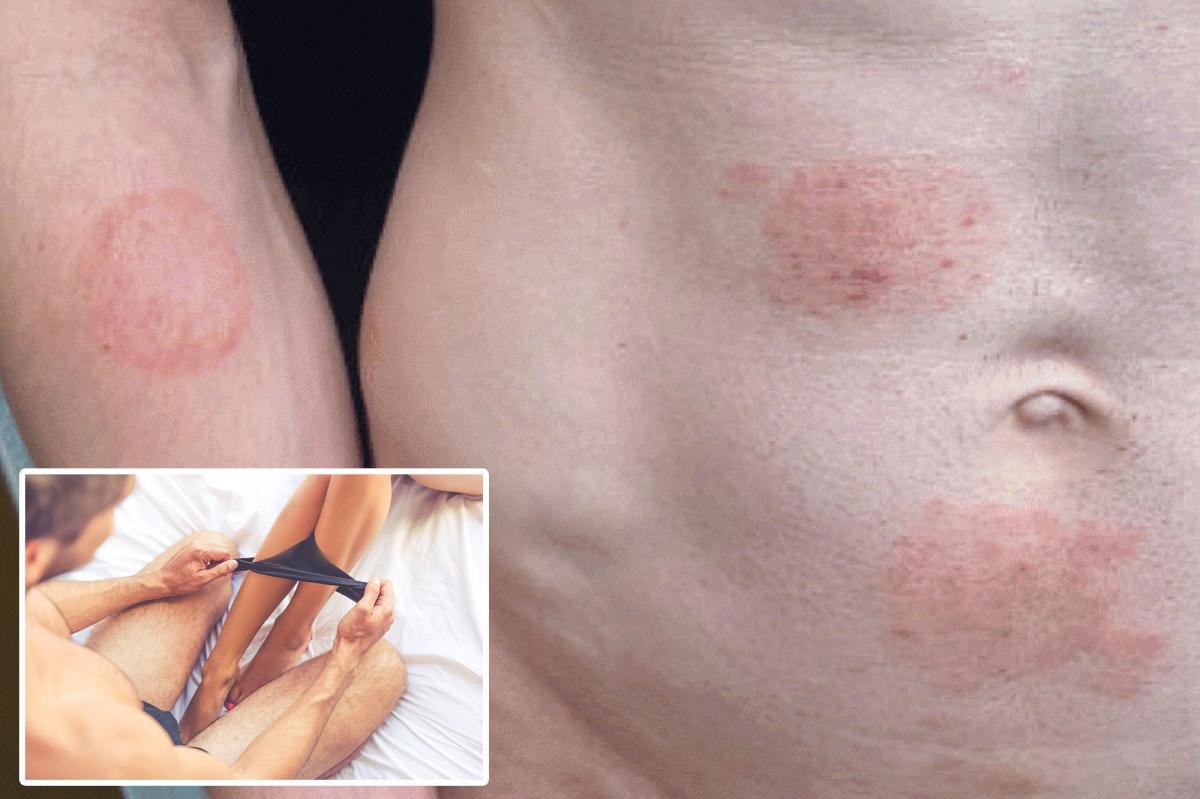
Symptoms of TMVII are similar to those associated with ringworm — mainly itchy, round, scaly patches on the skin. Highly inflammatory lesions and abscesses may also be seen.
Despite its nomenclature, ringworm is not caused by a worm but by various species of fungus.
Researchers caution that TMVII rashes differ from the classic circular expression of ringworm and may be confused for eczema, delaying proper treatment.
“Patients concerned they might have a rash consistent with TMVII, particularly if they have had recent sexual contact with others with a rash, should visit an STI clinic for evaluation and treatment,” the Minnesota Department of Health said in a statement.
“Overall risk to the public is low, however, men who have sex with men, persons using anonymous apps and persons with a history of previous STI infections may be at higher risk,” the agency continued.
Unlike most fungi that cause ringworm, TMVII is spread through close sexual contact and is more likely to cause inflammatory rashes that can lead to permanent scarring.
The good news is that TMVII is treatable with oral antifungals, and early intervention can reduce the risk of intensifying symptoms. However, cases often require extended treatment of up to three months to clear the infection.
To prevent TMVII from spreading, experts recommend avoiding skin-to-skin contact, covering rashes with bandages and steering clear of shared clothing, towels, bedding and razors.
Further, those with TMVII should wash their hands after touching any affected areas to reduce the risk of the fungus spreading to other areas of the body.
The Minnesota Department of Health advises anyone with scaly, coin-shaped rashes on their buttocks, genitals, extremities, trunk and/or face to seek immediate medical attention and alert their sexual partners.
TMVII symptoms to watch for
- Itchy, round, scaly patches on the skin, particularly if the groin is affected
- Rash that worsens with the application of antifungal or anti-inflammatory ointment
Read the full article here