





 Markets
  Weather

The ongoing conflict in the Middle East has sent oil prices soaring and has prompted G7 leaders to consider the potential release of emergency oil reserves to provide relief to consumers facing higher gasoline prices.
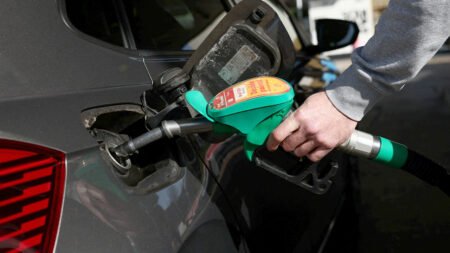
Gas prices have risen in response to the rapid increase in oil prices, with the national average price of gas rising from $3 a gallon last week to $3.48 a gallon on Monday, according to AAA data. Oil futures have surged over 48% in the last month after trading in the range of $60-70 a barrel during February to over $95 on Monday, when futures prices were briefly above $115 before declining.
French finance minister Roland Lescure on Monday told reporters after a meeting of G7 finance ministers that leaders “are not there yet” on deciding whether to conduct an emergency release, as there aren’t current supply problems in the U.S. or Europe.
“What we’ve agreed upon is to use any necessary tools if need be to stabilize the market, including the potential release of necessary stockpiles,” Lescure added.
AMID IRAN WAR, PRESIDENT TRUMP SUGGESTS SHORT-TERM OIL PRICE SPIKE IS ‘SMALL PRICE TO PAY’ FOR PEACE
Western economies develop strategic oil reserves in response to the 1970s oil crisis, with stockpiles like the U.S. government’s Strategic Petroleum Reserve serving as a backstop to address disruptions in the energy market that would otherwise harm the economy or imperil national security.
Phil Flynn, senior market analyst at the Price Futures Group and FOX Business contributor, said that the “mere mention” of strategic releases was enough to pull oil prices down off of their highs, as such releases of reserves “would ease markets’ concerns of tightness of supply.”
“Historically, releases from the strategic reserve, especially in coordination with other countries, have always been successful in cooling down fear in the market place,” Flynn said. “The market has to be convinced that the transportation of that oil is going to be safe, because even if you release oil from the reserve, it’s still going to take time to get to its destination, such as the refineries.”
G7 FINANCE MINISTERS TO DISCUSS EMERGENCY OIL RESERVE RELEASE AMID PRICE SURGE: REPORT

Andy Lipow, president of Lipow Oil Associates, told FOX Business that he expects “countries in the G7 will be forced to release oil reserves to show their public that they are taking some action to mitigate the rapid rise in prices.”
He added that he anticipates the releases will occur within the next two weeks if the conflict hasn’t reached a resolution by that time.
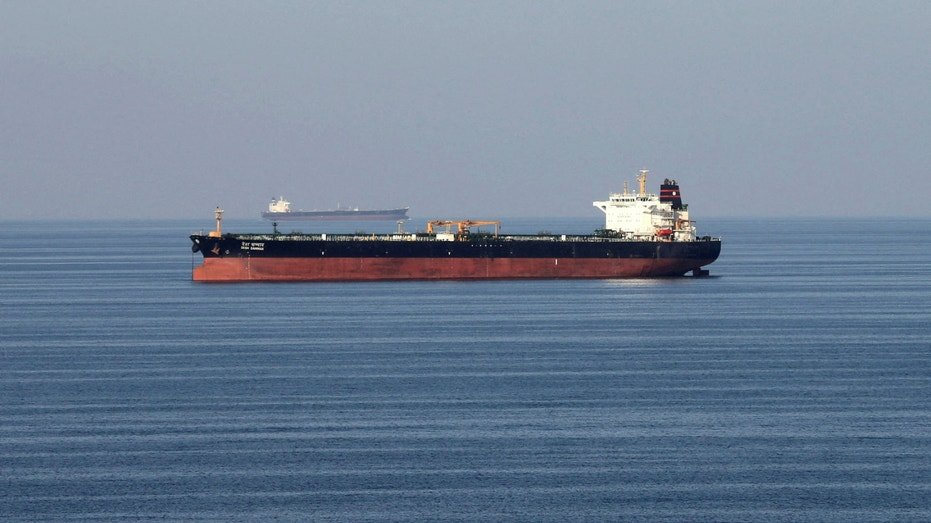
“Whether or not the release will have an impact will depend on if the de facto blockade of the Strait of Hormuz continues to impact oil tanker loadings and if additional oil infrastructure is damaged.”
CRUDE OIL PRICES EXCEED $100 A BARREL AS WAR IN IRAN DISRUPTS PRODUCTION, SHIPPING
How much could reserve releases impact gas prices?
The Treasury Department in 2022 analyzed the impact of SPR releases carried out by the Biden-era Energy Department in response to oil disruptions caused by Russia’s invasion of Ukraine on gas prices.
The U.S. released 180 million barrels from the SPR over six months in 2022, while International Energy Administration partners released an additional 60 million barrels.
It found that the U.S. SPR releases alone lowered gas prices by a range of $0.13 to $0.31 per gallon, whereas the oil reserve releases done by the U.S. in tandem with IEA partners had a larger effect by reducing prices $0.17 to $0.42 per gallon.
The findings of Treasury’s analysis were similar to those from a 2017 study by Richard Newell and Brian Priest, who found that a U.S. only release would lower gas prices by $0.33 per gallon while releases by the U.S. and IEA partners would yield a larger reduction of $0.38 a gallon.
Reuters contributed to this report.
Read the full article here