






 Markets
NEWYou can now listen to Fox News articles!
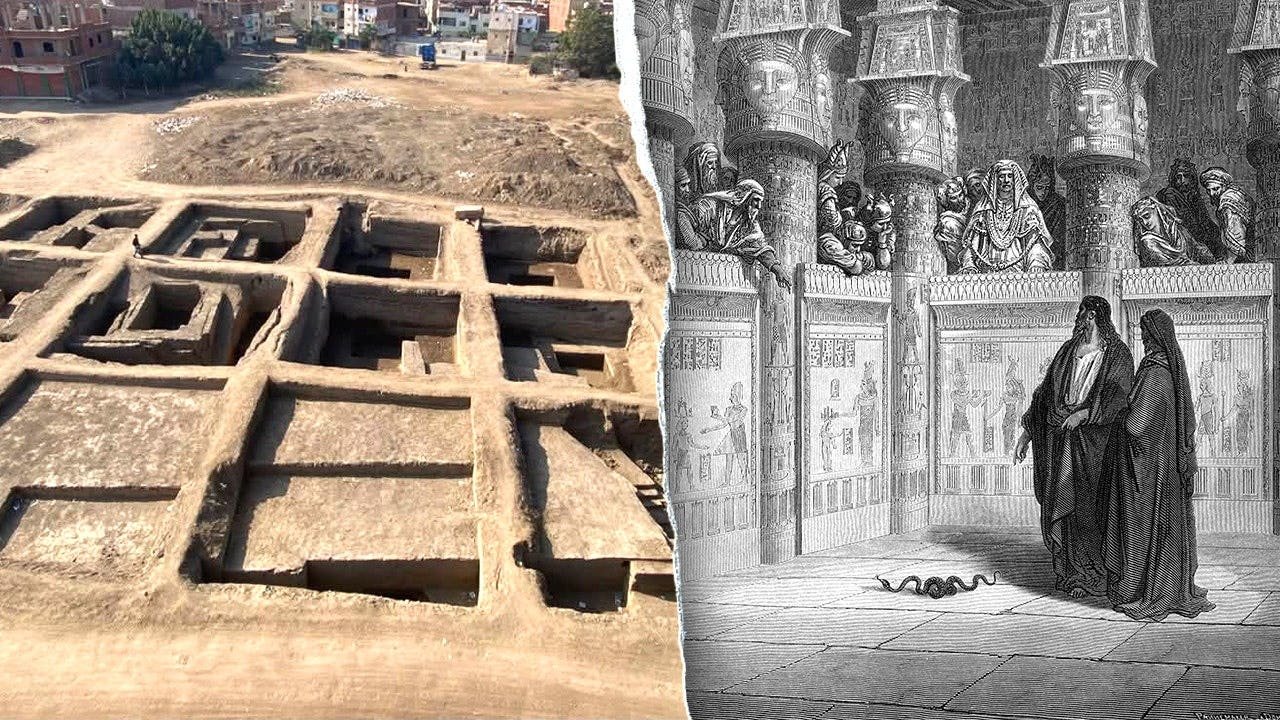
Archaeologists in Egypt recently uncovered a massive statue believed to depict King Ramses II, the pharoah believed to be a major character in the Old Testament.
The statue was found at the Tel Pharaoh site in Husseiniya Center, Sharqia Governorate, the Egyptian Ministry of Tourism and Antiquities said on April 22. The site is in Egypt’s Nile Delta, northeast of Cairo.
Officials also described the statue as “remarkable” in size, weighing between 5 and 6 tons and measuring over 7 feet long.
TEXAS ROAD CONSTRUCTION UNEARTHS ‘COLOSSAL’ PREHISTORIC REMAINS OF ‘BIG OL’ ANIMALS’
In a translated statement, the ministry described the statue as being in a “relatively poor condition of preservation,” with its legs and base missing.
Still, officials described the statue as “likely represent[ing] King Ramses II.”
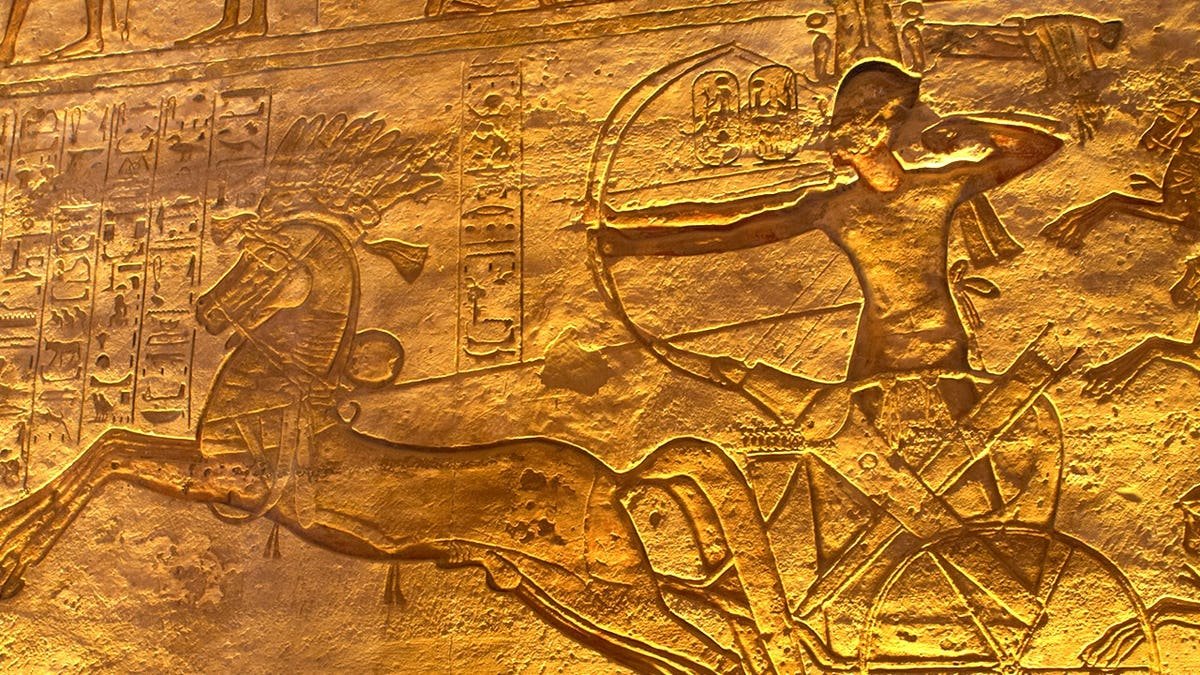
Ramesses II, born in 1303 B.C., is considered one of the most influential and powerful Egyptian rulers of the New Kingdom era.
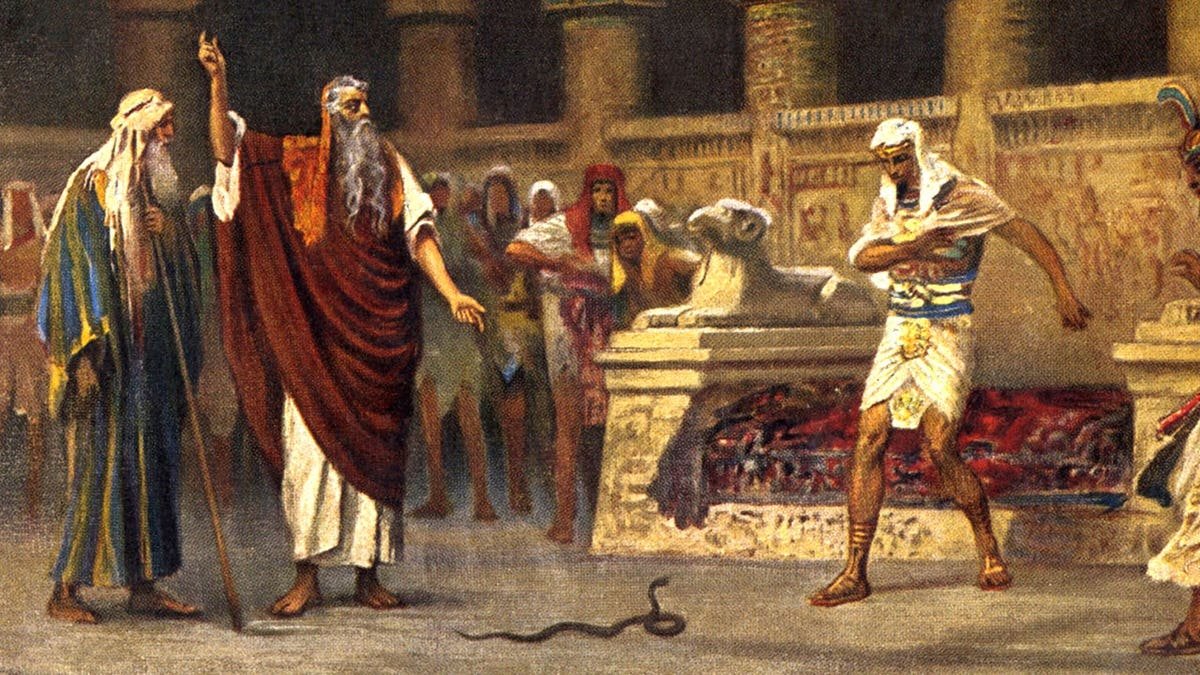
The pharaoh is often cited by scholars as a possible ruler referenced in the biblical Book of Exodus, though no name is given in the Old Testament.
Ramesses II is said to have retaliated against Moses and refused his requests, which resulted in a series of plagues. He died in 1213 B.C.
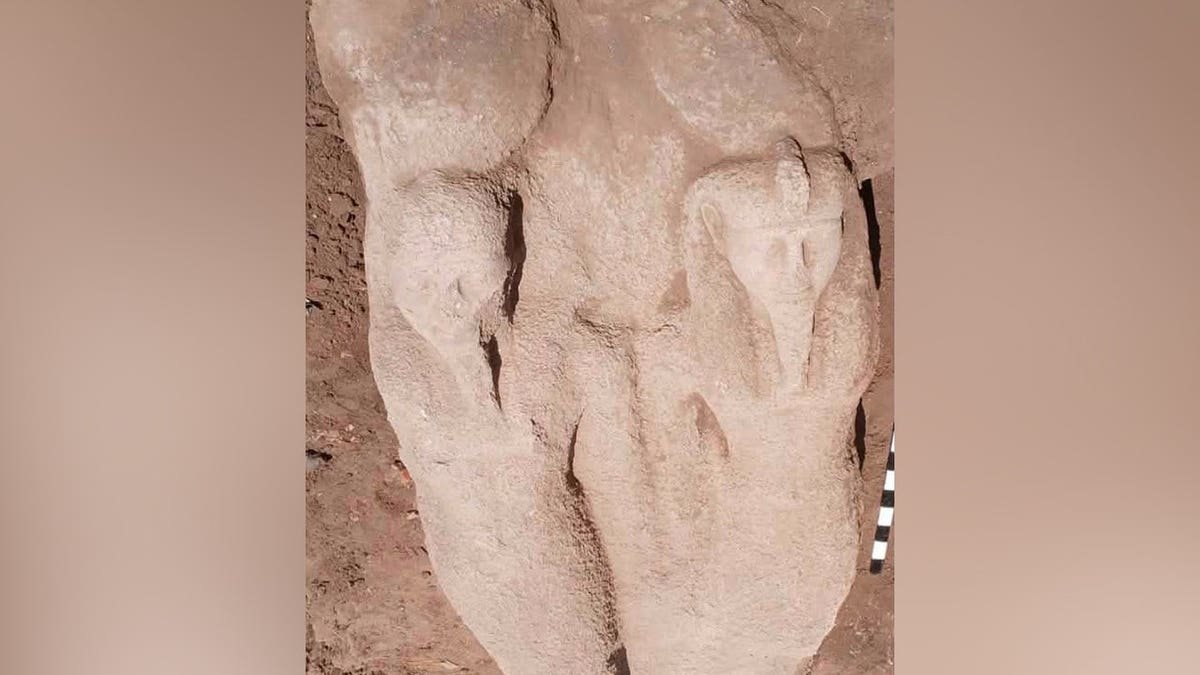
Egyptian antiquities official Mohamed Abdel Badie said the statue was likely moved in ancient times and reused at the site.
CLICK HERE FOR MORE LIFESTYLE STORIES
“[P]reliminary studies indicate the statue was transported in ancient times from the city of Pi-Ramesses to the Tel Pharaoh site, known in ancient times as ‘Imet,’ to be reused within one of the religious complexes, reflecting the religious and historical importance of the site across different periods,” said Badie.
The statement also described the statue as “one of the important archaeological pieces of evidence that shed light on aspects of religious and royal activity in the eastern Delta region.”
“As part of efforts to preserve this discovery, the statue was immediately transferred upon its discovery from within the temple complex at the site to the museum storage facility in the San El-Hagar area,” the statement noted.
TEST YOURSELF WITH OUR LATEST LIFESTYLE QUIZ
The move was “in preparation for the start of precise and urgent restoration work, in accordance with the highest scientific standards followed in the conservation and preservation of antiquities.”
The find adds to a growing list of archaeological discoveries recently announced across Egypt.
In late March, officials revealed eight rare papyrus scrolls dating back nearly 3,000 years, with their contents still unknown.
CLICK HERE TO DOWNLOAD THE FOX NEWS APP
Officials also recently unveiled the remains of an ancient religious complex in North Sinai, a site often identified with a biblical city mentioned in the Old Testament.
Read the full article here