





 Markets
  Weather
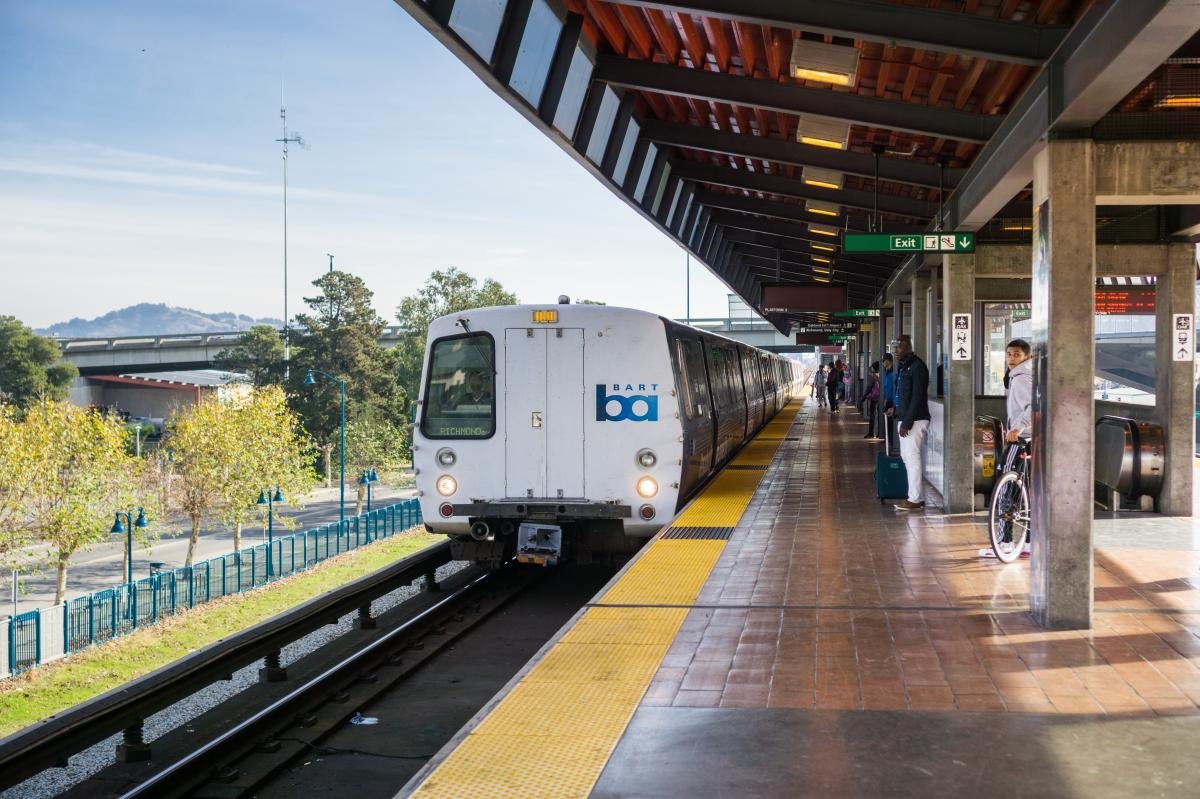
San Francisco’s iconic commuter trains may be heading for the end of the line.
The Bay Area Rapid Transit system — known to millions simply as BART — is staring down a massive financial crisis as ridership remains far below pre-pandemic levels and officials scramble for new tax dollars to keep trains running.
Once packed with commuters heading into San Francisco’s tech-fueled downtown, BART trains now roll into stations with empty seats and quiet platforms as reported by the New York Times. It’s a stark sign of how dramatically the region’s work culture has changed.
Remote work has hollowed out the traditional rush hour, leaving the transit agency short on the fare revenue it once depended on.
The numbers are grim: the system now faces annual deficits approaching $400 million, after ridership plunged during the COVID-19 pandemic and never fully recovered.
Before 2020, fares covered most of the system’s operating costs. Today, that revenue has cratered — even as expenses keep climbing.
Labor costs alone make up roughly three-quarters of BART’s budget, and payroll has ballooned by more than $150 million in recent years despite falling ridership.
Download The California Post App, follow us on social, and subscribe to our newsletters
California Post News: Facebook, Instagram, TikTok, X, YouTube, WhatsApp, LinkedIn
California Post Sports Facebook, Instagram, TikTok, YouTube, X
California Post Opinion
California Post Newsletters: Sign up here!
California Post App: Download here!
Home delivery: Sign up here!
Page Six Hollywood: Sign up here!
Transit officials warn that without new funding, the consequences could be drastic.
Possible cuts could include closing as many as 15 stations, shortening operating hours to around 9 p.m. instead of midnight, raising fares sharply, and laying off a large numbers of workers. Service reductions of that scale could drive even more riders away — creating the dreaded transit “doom loop” where declining service leads to even fewer passengers.
To avoid that fate, regional leaders are considering asking voters to approve a new sales-tax measure that would help subsidize the rail system.
Supporters say saving BART is essential for the Bay Area’s economy and environment, arguing the system prevents massive traffic congestion and connects communities across several counties.
Critics counter that the agency should rein in costs and reform operations before asking taxpayers for more money.
Either way, the region now faces a stark question: whether the rail network that has defined Bay Area commuting for more than 50 years can survive in a world where fewer people need to ride it every day.
Read the full article here