



 Markets
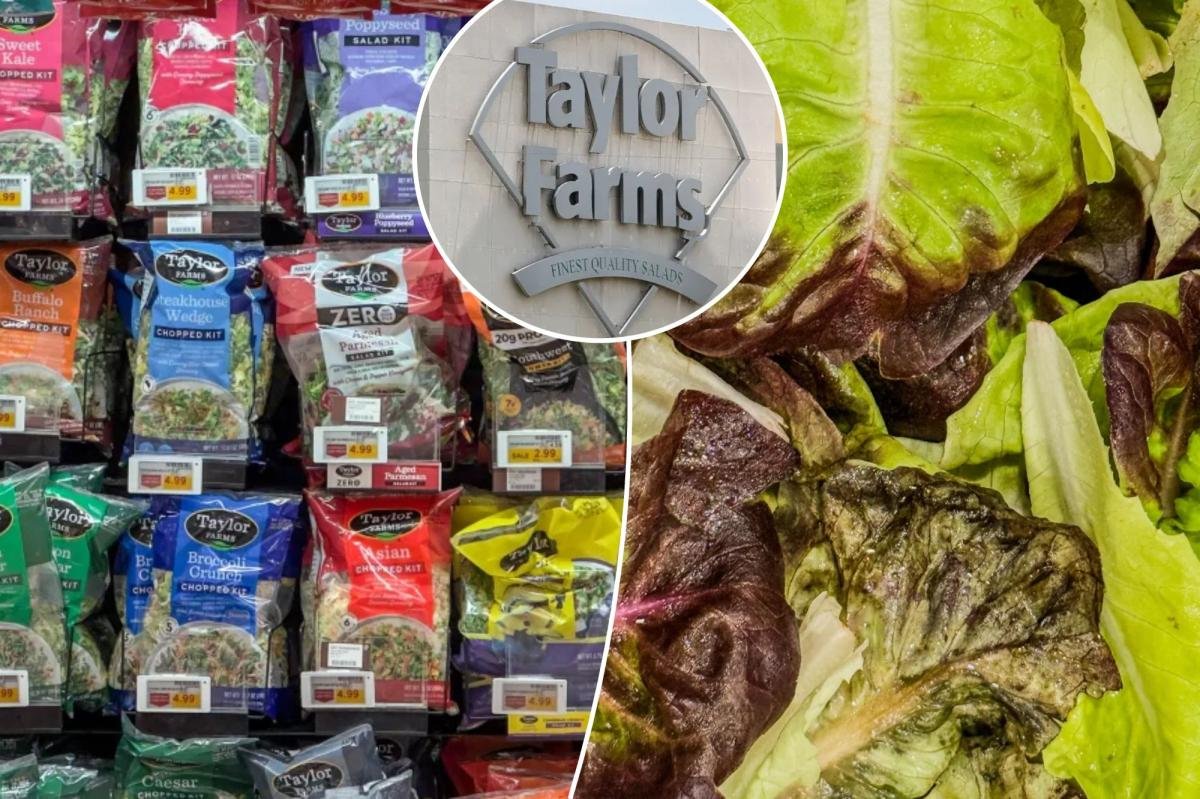
Salad lovers are dealing with information whiplash after a series of revelations about where exactly the parasites causing “explosive diarrhea” are coming from.
Last week, the FDA traced illnesses to shredded iceberg lettuce from Taco Bell in five states. The next day, they said that lettuce was coming from Taylor Farms in Central Mexico — which sells lettuce and salad kits at Walmart, Target, Whole Foods, plus regional markets across the country.
By Saturday, the company recalled all iceberg lettuce sourced from Mexico.
On Sunday, the FDA said the lettuce tested for cyclospora was actually a false positive — and that there haven’t yet been any positive samples of cyclospora found.
Does that mean lettuce is safe to eat again?
Is it OK to eat salad now?
The FDA is clear: Don’t eat recalled iceberg lettuce from Taylor Farms. These products were distributed over a two week period across 27 states.
Despite the false positive, “FDA’s traceback investigation and outbreak data continue to converge on shredded iceberg lettuce from Taylor Farms locations in central Mexico,” the agency said.
Look out for the Taylor Farms name on iceberg lettuce packaging at the supermarket and check the dates against the FDA’s recall list.
If you’re out to eat, there’s a chance Taylor Farms supplies their lettuce. Taylor Farms sells lettuce to Sysco, the biggest US food distributor, which serves restaurants, delis, schools, institutions, sports venues.
How did the FDA get a false positive in the first place? Experts told the New York Times it’s because it’s really hard to test for cyclospora in food — there is such a low number of eggs that would be present in a real positive sample, the test may pick up on “noise” or DNA from other microbes that are similar to the cyclospora parasite.
The most accurate way to find it is testing human feces, because that’s where the parasite grows. Unfortunately, that’s not helpful when trying to find where people are getting sick.
Should you avoid other types of lettuce and produce?
As of Friday, over 1,600 people got sick from the parasite after eating at Taco Bells in five states.
Cyclosporiasis symptoms include severe cramping, nausea, vomiting, fatigue — and what’s been described as watery, explosive diarrhea. While some who are infected never exhibit symptoms, others need to be hospitalized.
Should other lettuce, like romaine, and fresh produce be avoided? Experts say no, but use caution.
Just because iceberg lettuce was identified as a source, and Taylor Farms a supplier, these announcements don’t rule out other foods or suppliers.
That said, skipping all raw food would be a “draconian” measure, insists Dr. Aaron E. Glatt, chief of infectious diseases and hospital epidemiologist at Mount Sinai South Nassau.
“Consumers shouldn’t lose confidence in eating fresh fruits and vegetables,” Vaccaro agreed. “Produce is an important part of a healthy diet.”
The best way to protect yourself from cyclospora
Previous outbreaks pointed to bagged salad mixes, herbs including cilantro and basil and berries such as raspberries. Recommendations out of Michigan, the hardest hit state, say to get whole heads of lettuce only rather than bagged salad.
Cooking is the best, most effective way to kill any undesirables, experts agree.
If food must be consumed fresh, washing whole produce well is the next best thing. But it’s not perfect.
Here’s the latest on the ‘explosive’ cyclosporiasis outbreak:
“The parasite can be difficult to remove from leafy produce because it may become trapped in folds, crevices or areas that water does not reach easily,” explained Melissa Vaccaro, a senior food safety program specialist at the National Environmental Health Association.
Dr. Manish N. Trivedi, director of infectious diseases at AtlantiCare, said that if you’re not washing your greens yourself, it might be a good idea not to order it at a restaurant or else buy it prepared — especially if you’re immunocompromised.
“I’m not saying that they’re not taking all the precautions they necessarily need to, but individuals need to really weigh up their risks and benefits … each individual is different,” Trivedi said.
If you’re on medications that suppress your immune system, you’re likely to react “dramatically different” from someone with a healthier, functioning immune system.
“You know these symptoms of diarrhea … they can be traumatic for some individuals, and they can last even longer for individuals who are immunocompromised.”
And it’s always good practice, whether there’s a parasite outbreak or not, to wash all herbs and berries under water, and refrigerate them appropriately, said Dr. Perry N. Halkitis, dean of the Rutgers School of Public Health.
Just “don’t panic,” he said.
“An increase in reported cases doesn’t necessarily mean we’re seeing more contamination,” Vaccaro said. “It also reflects improvements in laboratory testing and public health surveillance that help us detect illnesses and connect cases that might have gone unrecognized in the past.”
Read the full article here