




 Markets
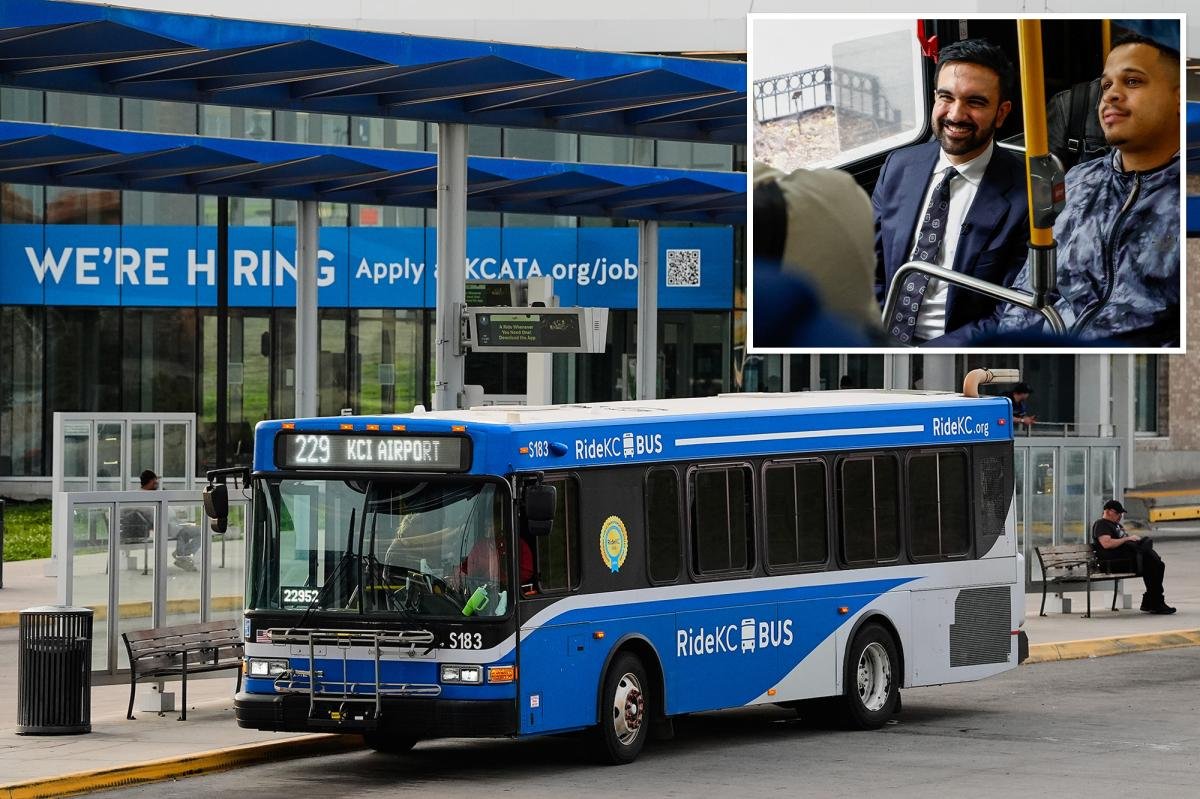
The US city that inspired Mayor Zohran Mamdani’s pie-in-the-sky idea to provide Big Apple commuters free bus service is now slapping fares back on riders after its $50 million experiment ran dry.
Kansas City, Missouri, which used federal COVID relief funds in 2020 to become the first in the country to roll out free buses, brought fares back this month after the far-fetched program collapsed as the money ran out as operating costs ballooned to about $15 million a year — nearly double its initial price tag, Bloomberg reported.
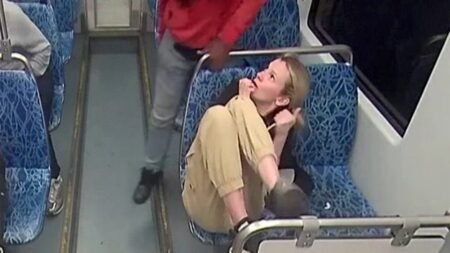
The zero-fare bus service – a centerpiece of Mamdani’s mayoral campaign – was slammed by Missouri riders and conductors as unreliable, filthy, rolling homeless shelters once the federal funds dried up.
“As we ran out of the money and the support, we were forced to make more service cuts or move to fares to support those services,” Tyler Means, chief mobility and strategy officer at Kansas City Area Transportation Authority, told the outlet.
Transit officials said the lofty program became too costly after the federal relief funds expired.
The Kansas City Area Transportation Authority initially estimated it would lose out on about $8.8 million a year in fare revenue, but later said the true cost of running a free bus network skyrocketed to roughly $15 million annually partly due to unexpected costs and inflation.
“Zero-fare means worse service,” Jarrett Walker, a public transportation planning consultant, told Bloomberg.
“Taking out fares creates a much bigger hole that requires much bigger service cuts unless you find money somewhere else.”
Mamdani himself — who has frequently pointed to the failed Midwest city program as a success — couldn’t even find the funds in his massive $124 billion budget to cover the cost of his pet project.
Instead, the fresh-faced socialist urged Albany to continue the pilot for free buses, providing fare-free trips on a few routes around the city.
Still, the mayor has not dropped his pledge to make city buses free, a proposal that could cost roughly $800 million to replace lost fare revenue.
City Hall did not immediately respond to The Post’s request for comment.
Read the full article here