





 Markets
Those inflated costs were elf-ing up business.
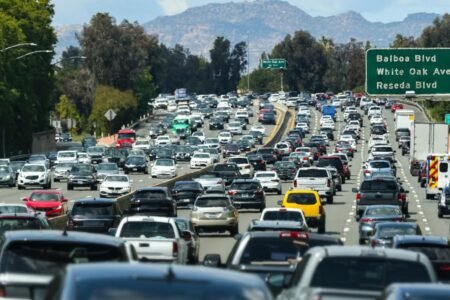
Cosmetics and skincare company e.l.f. Beauty is finally giving beauty buffs a break, reversing its tariff-fueled price increases to quell the “suffering” of cash-strapped customers amid the gas crisis.
“We’ve seen units drop off a bit more in the last few months as consumers have particularly been suffering with higher costs,” Tarang Amin, CEO of e.l.f., an acronym for “eyes. lips. face.,” told CNBC, referring to the recent surge in gas prices due to the Iran war.
The average cost of gas in the US is reported to be an astronomical $4.533 per gallon, as of Tuesday.
Amin has vowed to “test lower pricing” on e.l.f. items in an effort to boost business as consumers struggle to keep fuel in their tanks.
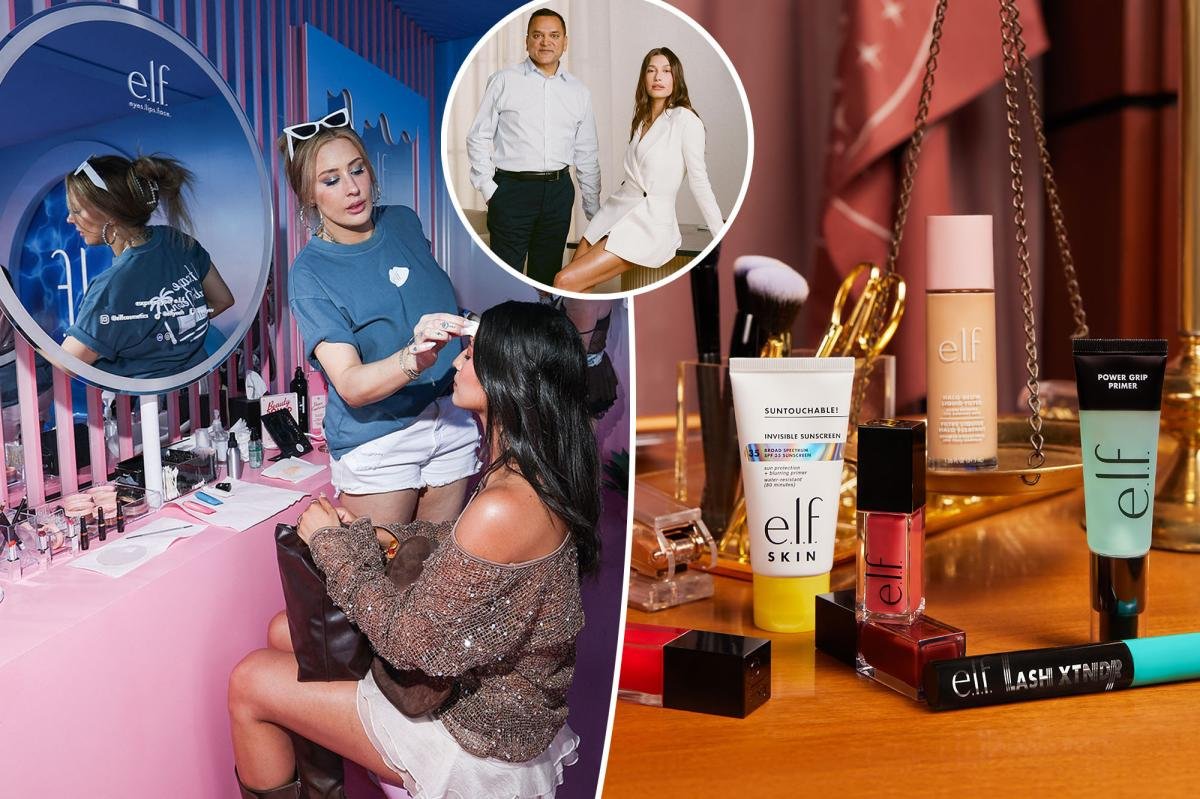
E.l.f. recently offered a $4 price reduction on its $18 Halo Glow skin tint and reaped a nearly 40% lift in sales, signaling to the company just how “sensitive” consumers are on pricing right now, said Amin, who’s drastically changed his position on price-rocketing since last year.
The makeup imprint, which reportedly sources 75% of its products from China, barefacedly raised its prices by $1 to combat the costs of President Donald Trump’s tariffs in August 2025.
At the time, Amin defended the price jump, claiming 98% of e.l.f. fans responded “positively” to the markup, noting that 75% of its items would still cost $10 or less despite the hike.
E.l.f paid approximately $58.5 million in tariffs — import taxes placed on foreign-made goods — before the US Supreme Court ultimately moved to strike down tariffs in February 2026, according to reports. It’s currently expecting a $55 million tariff refund, which will likely offset the impact on profitability.
Still, after suffering a $49.4 million loss as of March 31, e.l.f — now heavily reliant on Hailey Bieber’s Rhode cosmetics brand, which it acquired for $1 billion — is working harder than Santa’s elves at Christmas to regain the affections of cost-conscious shoppers.
“There’ll be additional items that we will test lower pricing on to really be able to reinforce our value proposition at a time when the consumer is suffering,” Amin reemphasized to CNBC.
And the promise to reduce prices comes as music to the suffering consumer’s ears.
“They actually listen to their base [audience],” tweeted an impressed X user.
“All [companies] should do it,” another raved, in part.
A separate commenter credited the teens and 20-somethings of Gen Z with inspiring e.l.f.’s cost decreases.
In response to a tweet reading, in part, “Gen Z consumers appear to be reducing discretionary spending on cosmetics as higher gasoline prices and broader cost-of-living pressures begin to affect household budgets,” an X user wrote, “Gen Z’s beauty [spending] was the last discretionary holdout.
“Gas prices are the tell because it hits commute-heavy younger cohorts first.”
Read the full article here